
Chapter 2:
User Trust and Perception
This chapter explores how confident users scan QR codes, what motivates them to scan, and their hesitations regarding the technology.
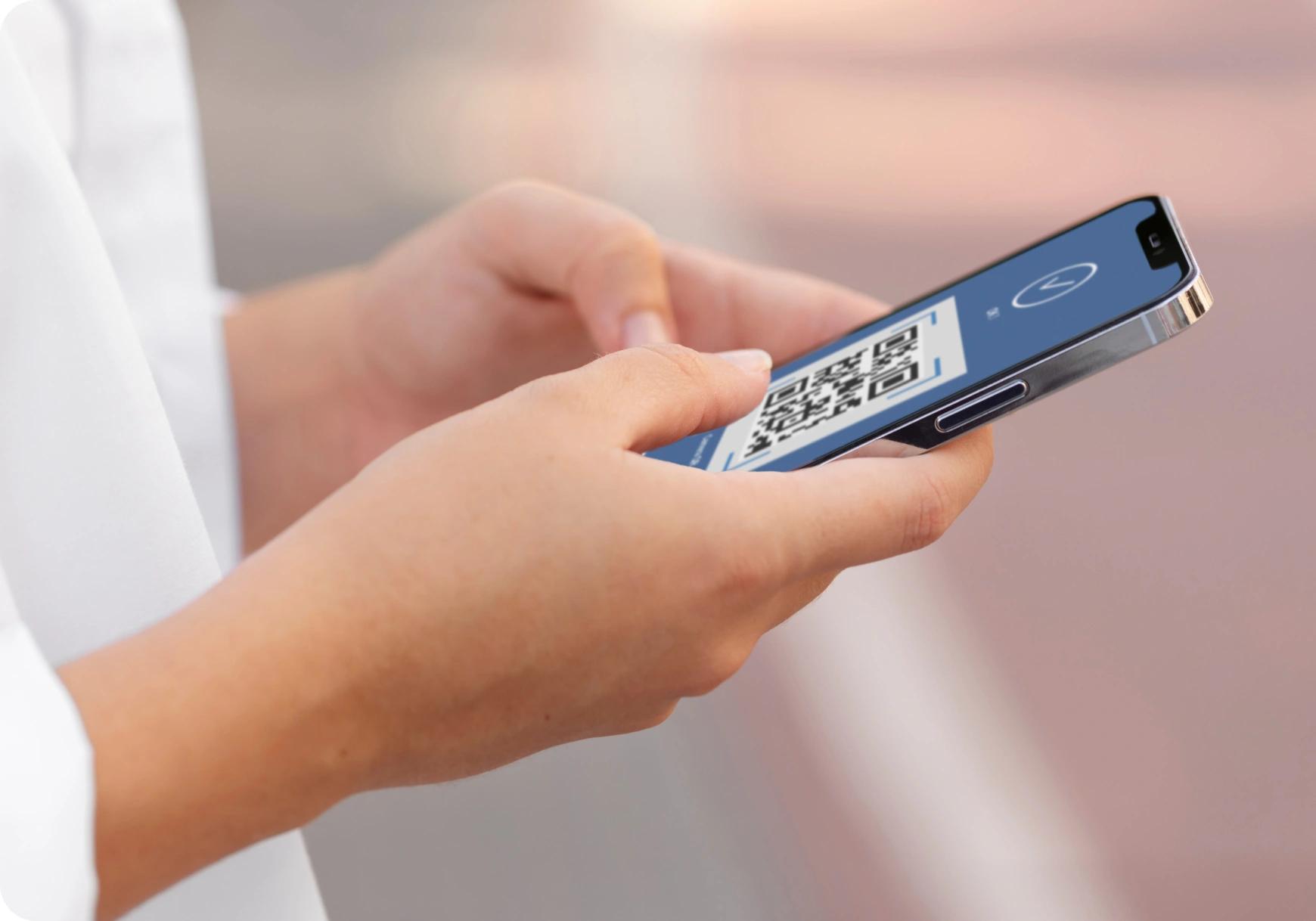
More than half of users show a positive view towards QR codes.
Positive view
Neutral view
Negative view
This mix shows that QR codes have settled into everyday use. They are no longer treated as intrusive or unfamiliar, but as a routine way to access information when presented clearly.
Use this overall goodwill to support campaigns linked to transparency, sustainability, authentication, and verified offers. People are willing to scan when the context signals credibility.
Content: 48%
Branding: 42%
Logos: 38%
Users rely on visual assurance before they commit to a scan.
Top trust-boosting elements are content previews (48%), verified branding (42%), and official logos (38%)
24% of users mention regulation concerns
24% of users rely on awareness campaigns
Only 14% trust QR codes without added cues
Note: Participants can select more than one response
Display your identity and intent directly on the scannable asset. Include preview links, clear branding, and concise labels. Build the foundation of trust before interaction starts.
More than half of QR code users are concerned about security when scanning QR codes.
This shows a careful but practical mindset. People know the risks but still scan when the environment appears safe, indicating rational trust rather than blind trust.
Present security as a core feature. Use branded domains, anti-phishing indicators, and dynamic links that allow safe redirection. Prioritize a safe space for customer interaction.
While the majority remain unaffected, a meaningful minority have had negative experiences, indicating that scams are real enough to influence behavior. This explains the demand for safety signals.
Use reliable verification practices. Show link previews, display domains, provide content previews, and use HTTPS as the minimum standard. Add optional confirmation prompts when handling payments or logins.
Have NOT been scammed or misled
Majority of users feel secure
Users who have victimized by schemes
Only a few users have fallen victim to scammers
The leading gaps are related to privacy disclosure and clarity of purpose.
Survey data showing what users want to know before scanning QR codes
- Many QR codes still miss basic information that users expect. This gap creates unnecessary doubt, even when the code is well-placed or professionally designed.
- Data privacy remains the strongest worry. People know that scanning sends them to an external site, and they want clear reassurance that their data is safe.
- Unclear messaging also hurts scan rates. Even when users trust the source, they hesitate if the call-to-action does not explain what they will get.
- Clear branding is another missing piece. A noticeable share of users still look for proof of who created the code before they feel comfortable scanning it.
This reveals that users want two questions answered immediately: What will this code do to my data? And what is the benefit of scanning?
The industry often fails to provide these details, which creates uncertainty even when the code looks legitimate.
Treat the space around your QR code as a mandatory disclosure zone to eliminate user uncertainty before the scan occurs. It should answer the user’s basic questions before they scan.
User trust is strong but conditional.
People scan when the code is clearly labeled, visually credible, and backed by transparent information.
Most concerns are solved by better design, clearer communication, and consistent security signals across all touch points.
下载QR TIGER应用程序


'QR Code' 是电装波公司的注册商标。 © 2026 www.qrcode-tiger.com