
9 एस्केप रूम क्यूआर कोड विचार जो घरेलू खेल को रोमांचक बना सकते हैं
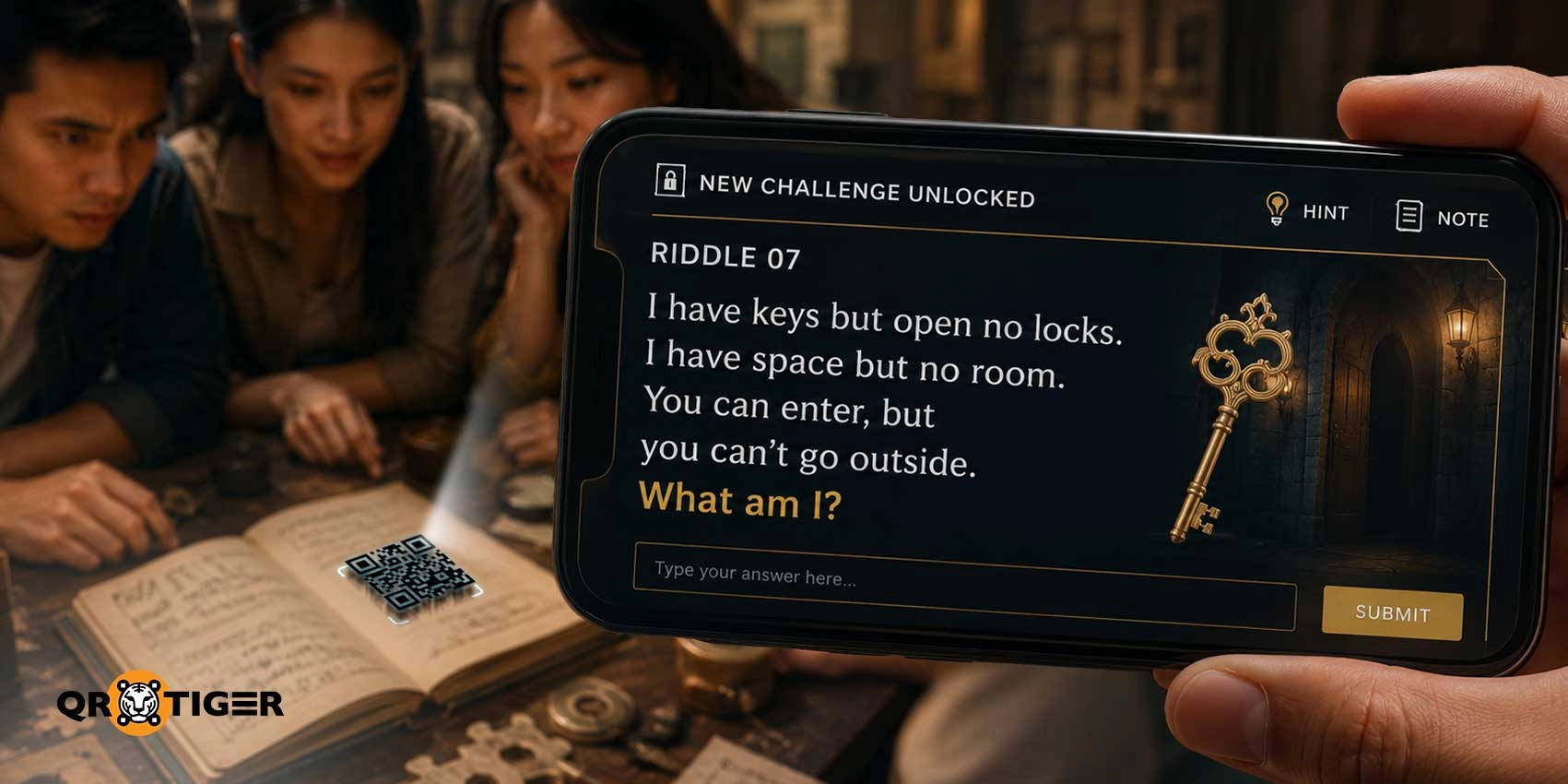
QR कोड एस्केप रूम खिलाड़ियों को संकेत देखने या चुनौतियों को अनलॉक करने की अनुमति देते हैं, जैसे कि पहेलियाँ और पहेलियाँ, जिन्हें वे पूरा करने के लिए हल करना होगा।
भागकू कमरे आज भी कई समूहों के लिए लोकप्रिय गतिविधि बने हुए हैं। 2025 में रूम एस्केप कलाकार द्वारा एक उद्योग रिपोर्ट के अनुसार, केवल संयुक्त राज्य में 2,000 से अधिक एस्केप रूम सुविधाएं हैं, जो वर्षों से स्थिर रहा है।
शारीरिक तालों या कागजी संकेतों पर पूरी तरह निर्भर होने की बजाय, आयोजक अब QR कोड का उपयोग करके डिजिटल सामग्री पहुंचाने, नए स्तरों को अनलॉक करने और और अधिक इंटरैक्टिव गेमप्ले बनाने का उपयोग कर सकते हैं।
इस गाइड में, आप सीखेंगे कि कैसे QR कोड को एस्केप रूम के लिए उपयोग किया जाता है, ये क्यों उपयोगी हैं, और उन्हें मुफ्त QR कोड जेनरेटर पर कैसे बनाया जाता है।
सामग्री सूची
- एक एस्केप रूम क्या है?
- अपने एस्केप रूम गेम्स में QR कोड का उपयोग करने के 9 तरीके
- कैसे अपने खुद के 'Escape the Room' QR कोड QR TIGER पर बनाएं
- भागने वाले कमरे के लिए आप कौन सा QR कोड प्रयोग करेंगे?
- भागने वाले कमरे के लिए डायनेमिक क्यूआर कोड क्यों?
- वास्तविक जीवन भागने के कमरों के साथ क्यूआर कोड्स
- क्यूआर कोड्स के साथ एस्केप रूम को और मजेदार बनाएं
- सामान्य तरह पूछे जाने वाले प्रश्न
एक एस्केप रूम क्या है?
एक एस्केप रूम एक इंटरैक्टिव अनुभव है जो खिलाड़ियों को मजेदार सेटिंग में संकेतों को खोजने, पहेलियाँ हल करने और समय समाप्त होने से पहले लक्ष्य पूरा करने की सुविधा प्रदान करता है। यह शारीरिक या आभासी जगह हो सकता है।
शारीरिक भागने के कमरे सामान्यत: वास्तविक दुनिया के स्थानों में होते हैं जहाँ खिलाड़ी भागने के लिए संकेतों की खोज करते हैं।
डिजिटल एस्केप रूम्स, दूसरी ओर, ऑनलाइन खेले जाते हैं और भाग्यशाली स्थितियों का उपयोग करते हैं ताकि एस्केप रूम अनुभव को अनुकरण किया जा सके।
एस्केप रूम्स एक रहस्यमय हत्या को हल करने, छिपी खजानी ढूंढने, या काल्पनिक आपदा से बचने के बारे में हो सकते हैं।
क्या यह QR कोड एस्केप रूम से अलग है?
क्यूआर कोड एस्केप रूम्स बस एस्केप रूम्स हैं जो खिलाड़ियों को क्लू देखने या चुनौतियों को अनलॉक करने के लिए क्यूआर कोड्स की खोज करने की अनुमति देते हैं, जैसे की पहेलियाँ और पहेलियाँ, जिन्हें वे हल करने के लिए उन्हें 'भागना' होगा जिस कमरे में वे फंसे हैं।
ये विशिष्ट एस्केप रूम्स शारीरिक संकेत खोजने को इंटरैक्टिव डिजिटल पहेलियों के साथ मिलाने के लिए अपनी सर्वोत्तम कोशिश करते हैं ताकि खिलाड़ियों के लिए अनुभव को अधिक मजेदार बनाया जा सके जबकि गेम मास्टर्स के लिए काम की भार को कम किया जा सके।
अपने एस्केप रूम गेम्स में QR कोड का उपयोग करने के 9 तरीके
छिपा हुआ क्यूआर कोड संकेत

हिंट, पहेलियाँ, और अन्य गुप्त संदेश को बदलें पाठ QR कोड और उन्हें चित्रों, ड्रायर्स के पीछे, या जर्नल्स और अन्य गुप्त खिड़कियों में छुपाएं। खिलाड़ियों को सक्रिय रूप से खोजने और स्कैन करने के लिए उन्हें सफलतापूर्वक कमरे से बाहर निकलने के लिए।
रहस्यमय दस्तावेज़
खिलाड़ियों को पुलिस रिपोर्ट, डायरी, मानचित्र या गोपनीय फ़ाइलों तक पहुंचने की अनुमति देने के लिए QR कोड स्कैन करके कमरे से बाहर निकलने के लिए संकेत देने में मदद करता है। यह खेल की कथा को बढ़ाने में मदद करता है बिना प्रिंट किए गए सामग्रियों के साथ कमरे को भरने के बिना।
चुनौती के चेकपॉइंट्स
-integrationjpg_800.jpeg "AR clue escape room QR code")
प्रत्येक चुनौती क्षेत्र पर एक क्यूआर कोड लगाएं जिसे खिलाड़ी को अनलॉक करना होगा ताकि वह अगले स्टेज के पासकोड प्राप्त कर सके या चुनौती को हल करने के बाद नए निर्देश प्राप्त करें।
पासवर्ड से सुरक्षित हिंट्स
अपने क्यूआर कोड में पासवर्ड जोड़ें ताकि एस्केप रूम गेम की दबाव बढ़े। खिलाड़ी को पहले एक चैलेंज पूरा करना होगा ताकि अगले हिंट के लिए क्यूआर कोड अनलॉक करने के लिए आवश्यक पासवर्ड प्राप्त कर सकें।
इसे सेट करने के लिए कैसे सीखें, हमारा पढ़ें पासवर्ड सुरक्षित क्यूआर कोड मार्गदर्शिका।
ऑडियो संकेत
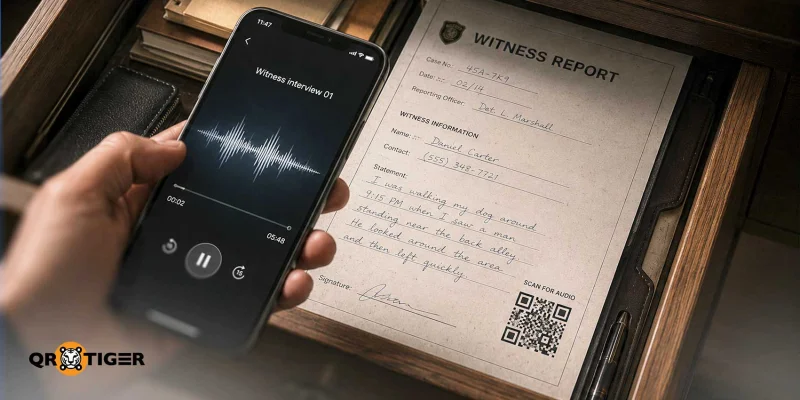
खिलाड़ियों को सुनकर सुरागों को खोजने दें। ऑडियो क्यूआर कोड्स खोजने के लिए जिन्हें हल करने की आवश्यकता है, उन्हें संग्रहित करने के लिए साक्ष्य, जैसे गवाह साक्ष्य, रहस्यमय आवाज लॉग और मोर्स कोड, और कमरे से बाहर निकलने की कुंजी पाने के लिए।
QR कोड एस्केप रूम्स
QR कोड खुद में एस्केप रूम के रूप में काम कर सकते हैं। यह विशेष रूप से काम करता है अगर आप एक समुदाय-व्यापी खेल का आयोजन कर रहे हैं।
स्मार्ट URL QR कोड का उपयोग करके जियो-फेंसिंग के साथ, आप खिलाड़ियों को उनके स्थान के आधार पर विभिन्न चुनौतियाँ प्रकट कर सकते हैं।
उदाहरण के लिए, व्यक्ति ए, जो इमारत 1 में QR कोड स्कैन करता है, को पैटर्न का उपयोग करके एक क्रम को डिकोड करने की आवश्यकता है। व्यक्ति बी, जो इमारत 2 में QR कोड स्कैन करता है, को सुडोकू पहेली पूरी करनी होगी।
प्रगति ट्रैकर
एस्केप रूम्स प्लेयर की प्रगति को ट्रैक करने के लिए एक गूगल फॉर्म QR कोड का उपयोग कर सकते हैं।
एक चैलेंज पूरा करने के बाद, टीम या व्यक्तिगत खिलाड़ी को QR कोड फॉर्म के माध्यम से पूरा करने की पुष्टि करनी होगी। वास्तविक समय में, उनकी प्रगति को मॉनिटर या साक्ष्य बोर्ड पर दिखाया जाता है।
वीडियो साक्ष्य
वीडियो हिंट्स आपके एस्केप रूम गेम के लिए एक और ज्यादा जीवंत कहानी बनाते हैं। उपयोग करें। वीडियो क्यूआर कोड खिलाड़ियों को एक साक्षात्कार क्लिप, एक छुपे कैमरे की रिकॉर्डिंग, या सीसीटीवी फुटेज देखने देने के लिए, जिसमें समझौता करने की जरूरत है 'हत्या'।
प्रमाणपत्र और विजय स्क्रीन
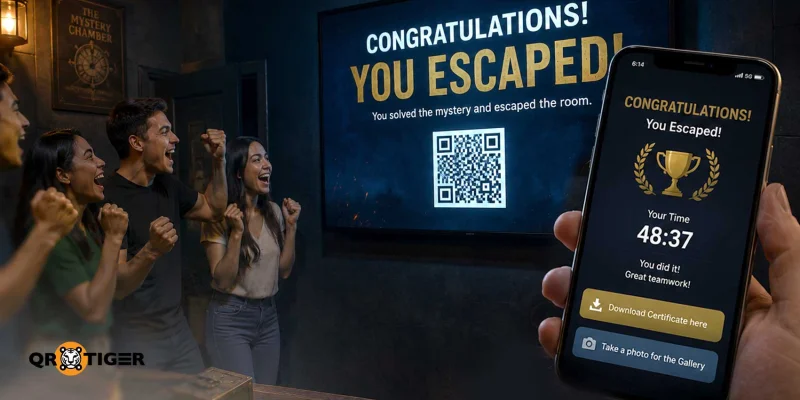
जब खिलाड़ी एस्केप रूम चैलेंज पूरा कर लेते हैं, तो उन्हें एक पीडीएफ क्यूआर कोड स्कैन करने की अनुमति होती है जो उन्हें एक डाउनलोड करने योग्य प्रमाणपत्र पर पुनर्निर्देशित करता है जिसमें यह पुष्टि की गई है कि वे इसे आधिकारिक रूप से पूरा कर चुके हैं, साथ ही उन्होंने इसे हल करने में कितना समय लिया।
इसके अतिरिक्त, क्यूआर कोड में टीम की फोटो और एक विशेष फ्रेम भी शामिल हो सकता है, जो एस्केप रूम के थीम पर निर्भर करता है, और खिलाड़ी फिर इसे अपने सोशल मीडिया प्रोफाइल पर साझा कर सकते हैं।
कैसे अपने खुद के 'Escape the Room' QR कोड्स QR TIGER पर बनाएं
अपने एस्केप रूम गेम्स के लिए क्यूआर कोड बनाने के लिए इस स्टेप-बाय-स्टेप गाइड का पालन करें:
खोलें क्यूआर टाइगर अपने ब्राउज़र पर।
चुनें QR कोड का प्रकार (URL, फ़ाइल, MP3, वीडियो)।
3. जानकारी दर्ज करें या फ़ाइल अपलोड करें।
4. डायनामिक और स्टेटिक के बीच चयन करें। फिर, "क्यूआर कोड उत्पन्न करें" पर क्लिक करें।
QR कोड की दिखावट को एस्केप रूम थीम के साथ मेल खाती हुई व्यक्तिगत बनाएं।
QR कोड स्कैन करें ताकि पता चले कि यह काम करता है।
अपनी डिवाइस पर क्यूआर कोड डाउनलोड करें। 
भागने वाले कमरे के लिए आप कौन सा QR कोड प्रयोग करेंगे?
एस्केप रूम्स स्थैतिक या गतिशील क्यूआर कोड का उपयोग कर सकते हैं, लेकिन सही चयन आपके गेम को कितनी बार अपडेट करने की योजना है, इस पर निर्भर करता है।
स्थैतिक क्यूआर कोड
स्थैतिक क्यूआर कोड्स क्यूआर कोड में स्थायी रूप से जानकारी स्टोर करते हैं। एक बार जनरेट किया जाने पर, क्यूआर कोड की समय सीमा नहीं होती है और यह केवल तब काम नहीं करेगा अगर मुद्रित कोड को क्षति पहुंचती है या जिस लिंक को यह शामिल करता है, वह टूट जाता है।
यदि
- आपका एस्केप रूम एक बार का उपयोग घटना है (जैसे कक्षा गतिविधि या पार्टी गेम)।
- आपको लिंक किए गए सामग्री को अपडेट करने की आवश्यकता नहीं है।
- आप अपने एस्केप रूम के लिए कोई अतिरिक्त लागत के बिना एक क्यूआर कोड उत्पन्न करना चाहते हैं।
गतिशील क्यूआर कोड
ए गतिशील क्यूआर कोड आपको किसी भी समय गंतव्य बदलने की अनुमति देता है बिना किसी नए QR कोड को उत्पन्न या प्रिंट करने की आवश्यकता के। वे स्कैन विश्लेषण और पासवर्ड सुरक्षा जैसी सुविधाएं भी प्रदान करते हैं, जो किसी भी एस्केप रूम अनुभव के लिए एक लचीला विकल्प बनाते हैं।
एक डायनामिक क्यूआर कोड का उपयोग करें अगर:
- आप अपने एस्केप रूम का परीक्षण करते समय संकेतों को संपादित या अपडेट करना चाहते हैं।
- आप विभिन्न पार्टियों और आयोजनों के लिए एस्केप रूम का पुनः उपयोग करने की योजना बना रहे हैं।
- आप डिजिटल पहेलियों को अपडेट करने के लिए एक आसान तरीके की तलाश में हैं जिसमें मटेरियल की पुनर्मुद्रण के लिए पैसे न देना पड़े।
भागने वाले कमरे के लिए डायनेमिक क्यूआर कोड क्यों?
स्थैतिक क्यूआर कोड भागने के कमरे के लिए उपयोगी होते हैं, लेकिन गतिशील क्यूआर कोड उनकी अनूठी विशेषताओं के कारण गेमप्ले को और अधिक उन्नत बनाते हैं:
- त्वरित अपडेट: डायनामिक क्यूआर कोड्स आपको पहले से प्रिंट किए गए क्यूआर कोड के गंतव्य को अपडेट करने की अनुमति देते हैं बिना पुनः प्रिंट किए, जिससे यह एक शानदार तरीका बनता है क्लू और पहेलियों को तुरंत बदलने के लिए और कोई अतिरिक्त लागत न हो।
- प्रदर्शन का ट्रैक करें। आप डायनामिक क्यूआर कोड विश्लेषण तक पहुंच सकते हैं ताकि आप देख सकें कि खिलाड़ी किस प्रकार से क्यूआर कोड के साथ इंटरैक्ट करते हैं, पहचानें कि कौन से संकेत मुश्किल से मिलते हैं, और उनकी स्थानन को अनुसार समायोजित करें।
- सुधारित पहुंचनीयता: डायनामिक क्यूआर कोड ऑडियो-नैरेटेड पाठ या दृश्य सहायक से जुड़े होते हैं जो खिलाड़ियों के लिए भागने वाले कमरे को और समावेशी बनाते हैं।
- रिमोट या डिजिटल खेल का समर्थन करता है। भौतिक एस्केप रूम के पार, डायनेमिक क्यूआर कोड डिजिटल एस्केप रूम के लिए उपयोगी होते हैं, विभिन्न निजी ऑनलाइन लॉबी के लिए आमंत्रण कोड के रूप में काम करते हैं।
वास्तविक जीवन भागने के कमरे QR कोड्स के साथ
वहाँ एक है भागने वाले कमरों की लगातार बढ़ती प्रसिद्धि यूके और पूरी दुनिया में। यहाँ कुछ ऐसे रचनात्मक तरीके हैं जिन्होंने लोग QR कोड को अपने खेलों में शामिल किया है:
खाली कमरा भागना
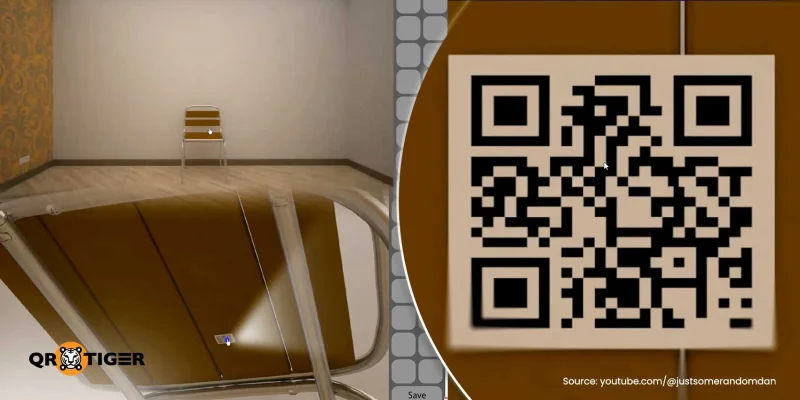
यह पॉइंट-एंड-क्लिक डिजिटल एस्केप रूम एक फ्लैश गेम है जिसे क्रुटोविग और स्टेसी ने बनाया है जो एक क्यूआर कोड का उपयोग करता है जो खाली कमरे से बाहर निकलने के लिए आवश्यक मुख्य संकेतों में से एक है जिसके द्वारा खिलाड़ी फंसा हुआ है।
उसे ढूंढने के लिए खिलाड़ी को खाली कमरे में कुर्सी के नीचे खोजना होगा, फिर इसे क्लिक करें। QR कोड स्वयं कार्यक्षम नहीं है, हालांकि, और करीब से जांच करने पर, QR कोड पैटर्न विभिन्न संख्याएँ बनाता है जिन्हें खिलाड़ी सुरक्षित खोलने के लिए उपयोग कर सकता है।
रोगी सुरक्षा एस्केप रूम
लगभग 130 थॉमस जेफर्सन विश्वविद्यालय इंटर्न चिकित्सक एक एस्केप-रूम अध्ययन में शामिल थे, जो उनके रेजिडेंसी ओरिएंटेशन का हिस्सा था। उन्हें गंभीर रोगी सुरक्षा खतरों की पहचान करने के लिए काम दिया गया था।
पूरे भागने वाले कमरे में, QR कोड निर्देश और मुख्य जानकारी प्रदान करते थे ताकि वे पहेलियों को हल करने में मदद कर सकें और मरीजों को सफलतापूर्वक घटना रिपोर्टिंग सिस्टम में दर्ज कर सकें।
समाप्ति तक, कई इंटर्न चौंक गए थे कि उन्हें एस्केप रूम का इतना मजा आया, जिससे उन्हें मरीज सुरक्षा खतरों की विशाल दुनिया के बारे में बहुत कुछ सीखने को मिला और वास्तविक समय में घटना रिपोर्ट दर्ज करने का एक बड़ा मौका मिला।
चुनौती भागने
उनके प्रदर्शन का हिस्सा के रूप में, डेफी उपाय मेरे स्मार्ट जर्नी के साथ सहयोग किया गया था ताकि अधिक सुगम दर्शक अनुभव के लिए विभिन्न इंटरैक्टिव एस्केप रूम सामग्री को स्वचालित किया जा सके।
कुछ वस्तुओं पर सीधे QR कोड लगाकर कमरे के भीतर खिलाड़ी उन्हें आसानी से स्कैन कर सकते थे ताकि वे उसे हल करने के लिए आवश्यक अगला पहेली प्रकट हो।
पृष्ठ में एक वैकल्पिक संकेत सुविधा भी शामिल थी, जिससे टीम को स्टाफ से मदद मांगे बिना आवश्यकता होती है, जिससे एक और अधिक आत्मसात भागने वाले कमरे का अनुभव बनाया जा सकता है।
क्यूआर कोड्स के साथ एस्केप रूम को और मजेदार बनाएं
एस्केप रूम क्यूआर कोड्स आपके एस्केप रूम अनुभव को और भी गहरा बना सकते हैं जिससे शारीरिक खेल को इंटरैक्टिव, डिजिटल सामग्री से जोड़ा जा सकता है। यह गेम मास्टर्स को अधिक लचीलाई प्रदान करता है ताकि वे मुद्रित सामग्री पर निर्भर न करते हुए गेम सेटअप को अपडेट, कस्टमाइज़ और फिर संवाहित करने की अधिकतम सुविधा प्रदान करता है।
QR कोड्स टीमवर्क, महत्वाकांक्षा और मज़ा पर ध्यान केंद्रित रखते हुए क्या संभावित है, उसे विस्तारित करने में मदद कर सकते हैं, जैसे कि इमर्सिव कहानी के परिचय और इंटरैक्टिव पहेलियाँ और डिजिटल संकेतक और पोस्ट-गेम एंगेजमेंट।
यदि आप अपने एस्केप रूम को अपग्रेड करने या अपना एक नया बनाने की सोच रहे हैं, तो सर्वश्रेष्ठ QR कोड जेनरेटर चुनें जिसमें ट्रैकिंग हो। देखें कि खिलाड़ी कैसे आपके कोड के साथ इंटरैक्ट करते हैं और समय के साथ अपने पहेलियों को संशोधित करके एक भूलने योग्य एस्केप रूम अनुभव प्रदान करें।
सामान्य तरह पूछे जाने वाले प्रश्न
मैं एक डिजिटल एस्केप रूम कैसे बना सकता हूँ?
अपने एस्केप रूम के थीम और अंतिम लक्ष्य का चयन करें, और फिर पहले अपने पहेलियाँ डिज़ाइन करें ताकि प्रत्येक संकेत अगले की ओर ले जाए। आप डिजिटल उपकरण और इंटरैक्टिव प्लेटफ़ॉर्म का भी उपयोग कर सकते हैं ऑनलाइन चुनौतियों और ताले बनाने के लिए।
एस्केप रूम के लिए कौन-कौन से उपकरण चाहिए होते हैं?
आप घर पर मुफ्त में पूरी तरह से एक DIY एस्केप रूम बना सकते हैं जिसके लिए बुनियादी सामग्री जैसे कागज, पेन और टेप का उपयोग करें, और पुस्तकों, अलमारियों और बैग में संकेतों को छुपाएं।
वर्चुअल गेम्स के लिए, आप ब्रेकआउट रूम, पहेलियाँ, संकेत और डिजिटल ताले जैसे मुफ्त ऑनलाइन उपकरणों का उपयोग कर सकते हैं।