打印二维码:需要遵循的 13 条重要准则
 通过 Roselle V.
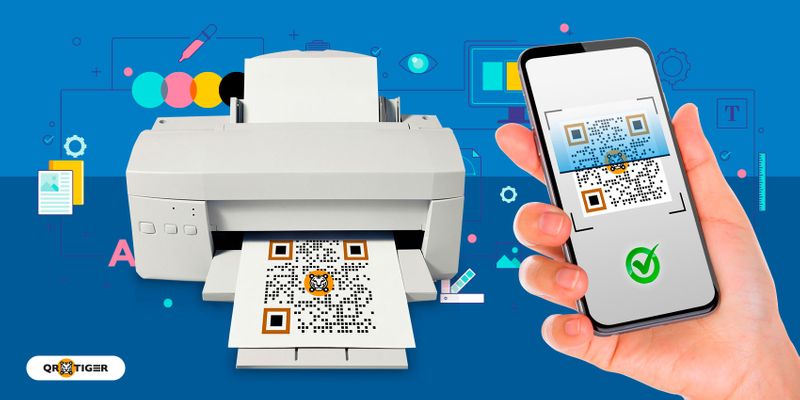

您可以通过添加品牌徽标和颜色以及选择框架和眼睛来更改 QR 码的外观。
用一个自定义二维码生成器 其独特的外观使您比竞争品牌更具优势。
SVG 是最适合打印的二维码格式。这种图像格式允许您调整 QR 的大小(缩小和放大),而不会影响其质量。

4. 不要反转二维码的颜色
反色是扫描仪无法读取 QR 码的原因之一。
定制时,背景应始终比前景亮。
另外,避免背景和前景使用相同的颜色;扫描仪也不会检测到这一点,并且打印时看起来会很奇怪。
5. 在二维码中添加号召性用语 (CTA)
添加引人入胜的号召性用语(CTA)以鼓励受众扫描您的代码。
创建号召性用语时必须注意以下三件事:
- 它应该告知扫描仪您的二维码的用途
- 它需要简短而吸引人,以吸引扫描仪
- 必须给人一种紧迫感
您可以使用不同的 CTA,例如“揭示秘密”、“获取折扣”或“立即使用”,但请确保 CTA 与二维码的预期用途相匹配。
6. 首先运行测试扫描
自定义后,您必须首先扫描二维码,以确保其正常工作或引导至正确的登陆页面。
您可以使用设备上的内置扫描仪。如果没有第三方扫描仪应用程序,您可以安装该应用程序。
7. 选择正确的格式
特定的文件格式适用于印刷和数字 QR 码。
最好的 QR 代码生成器可让您在 SVG 和 PNG 格式之间进行选择。
如果您打算使用 QR 码进行媒体发布,则可以选择 PNG 格式。
但如果您想打印 QR 码,SVG 格式是最佳选择。
这 SVG 二维码图像格式 让您可以调整 QR 码的大小或调整 QR 码,而不会影响其质量,因此打印后仍可扫描。
8. 找到打印二维码的正确位置
将 QR 码放置在杂志等印刷媒体上时,请将其放置在正确的位置,以确保更多的用户参与。
不要在页面之间打印二维码。相反,请将其放在第一页或封面上。
它使您的二维码可见,并有助于材料的整体设计。
打印期间
9. 正确的尺寸


将打印的二维码活动放置在更多人可以看到的位置,以最大限度地提高参与度。
将您的二维码贴在公告牌、广告海报、建筑物入口、公园、地铁站、公交车站、零售商场和问讯处。
13. 尽管发生物质损坏,仍确保二维码的可扫描性
所有 QR 码都具有纠错功能,即使有一些划痕,它们仍然可读。
有四个纠错级别:L、M、Q 和 H。
对于密度较低的 QR 码图像,您可以使用 7% 校正率的 L 级,而建议将 M 级用于营销用途,校正率为 15%。
Q级修正率为25%,H级修正率最高为30%,可以承受人为或环境破坏。
但请注意:由于纠错是通过将备份数据添加到二维码图案中来实现的,因此较高的纠错级别会导致二维码拥塞。
为什么要遵循二维码打印指南?
以下是您应遵循上述准则的一些原因:
给用户留下良好的印象
与用户建立良好的关系应该是您最关心的问题,而印刷的二维码出现故障是无法实现这一目标的。
当二维码易于扫描或读取时,您的用户就会对您的业务和服务产生良好的印象,从而使您比竞争对手更具优势。
存钱
遵循正确的二维码打印指南可以节省您重新打印一套新的二维码来替换有缺陷的二维码的费用。
想象一下您将承担的成本,尤其是如果您正在为营销活动进行打印并且完全错误的话。
如果全部重新打印的话,费用就要加倍。
最大限度地提高参与度
二维码打印指南可帮助您创建有吸引力且高效的二维码打印广告,这可以提高您的活动的参与度。
当更多人扫描您的二维码并与其嵌入的目标页面互动时,您的活动将会更加成功。这还可以提高品牌知名度和在线知名度。
使用 QR TIGER 确保 QR 码营销活动取得成功
在您的打印材料中添加二维码将使它们更加高效和互动。
他们可以连接线下和线上平台,开展更具吸引力的活动。
如果您遵循打印 QR 码的提示,您可以最大限度地发挥 QR 码打印广告策略的有效性。
使用 QR TIGER 保证 QR 码的质量,QR TIGER 是一款经过 ISO 27001 认证的软件,受到卡地亚、万豪和迪士尼等全球最大品牌的信赖。
立即前往最好的二维码生成器并获得免费试用。
经常问的问题
有特定的二维码纸可以使用吗?
不需要,使用 QR 码不需要特定的 QR 码纸。
只要代码可读并且打印在平坦、无纹理、哑光纸上即可。
对于较小的 QR 码,您可以使用具有良好防墨性的光滑涂层纸。
您可以使用未涂层的多孔片来保存较大的 QR 码。
我可以在哪里附上打印的二维码?
只要材料表面不产生折痕、拉伸和折叠,二维码就可以粘贴在任何地方。
您可以附加打印的二维码的明确区域范围包括名片、书籍封面、杂志、广告牌、电子产品、化妆品等产品、报纸和传单,以及您能想到的任何区域。
只要它工作完全正常并且不会出现任何问题。
您还可以将您的二维码附加到学校文件中,作为您的参考和其他学生未来的学习。
如何获得动态二维码生成器?
您可以使用在线找到的最佳 QR 代码生成器(例如 QR TIGER)来获取动态 QR 代码生成器。
一旦找到 QR 码生成器,您就可以探索和学习生成 QR 码的新方法和用途。
如何在纸上打印二维码?
您可以选择当今最好的 QR 码打印机来打印 QR 码。
有没有专门的二维码打印机可以用来打印?
没有可用于打印的特定 QR 码打印机。
只要您使用的打印机能够打印高质量的输出,并且将来不会出现技术错误,那么您就可以很好地宣传您的内容、产品和服务。
请记住在正确打印二维码时遵循这 13 个有用的提示和指南,以避免很快发生任何意外。

本文仅供一般信息目的,不构成法律、财务或其他专业建议。如对{{P0}}的产品或服务有疑问,请联系我们的支持团队,邮箱地址为[email protected]。
常见问题(FAQ)
What paper should I use to print a QR code?
Where can I attach my printed QR code?
How do I print a QR code on paper?
Is there a specific QR code printer required for QR codes?
这篇文章有帮助吗?
通过最佳的二维码生成器最大化扫描次数
加入数千家全球品牌,他们使用 QR TIGER 来管理动态路由、批量创建和深度归因分析。
免费开始