列印二維碼:需要遵循的 13 條重要準則
 透過 Roselle V.
 審查者 Fatima Ashley, Associate Editor
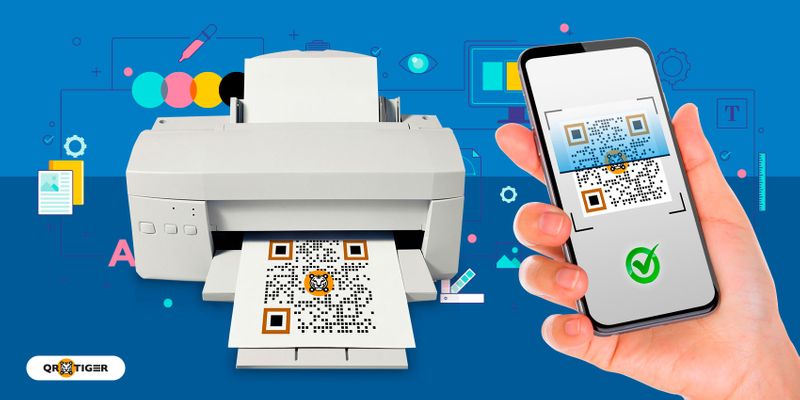

您可以透過新增品牌徽標和顏色以及選擇框架和眼睛來更改 QR 碼的外觀。
用一個自訂二維碼產生器 其獨特的外觀使您比競爭品牌更具優勢。
SVG 是最適合列印的二維碼格式。這種影像格式可讓您調整 QR 的大小(縮小和放大),而不會影響其品質。

4. 不要反轉二維碼的顏色
反色是掃描器無法讀取 QR 碼的原因之一。
客製化時,背景應始終比前景亮。
另外,避免背景和前景使用相同的顏色;掃描器也不會偵測到這一點,列印時看起來會很奇怪。
5. 在二維碼中加入號召性用語 (CTA)
加入引人入勝的號召性用語(CTA)以鼓勵受眾掃描您的程式碼。
創建號召性用語時必須注意以下三件事:
- 它應該告知掃描器您的二維碼的用途
- 它需要簡短而吸引人,以吸引掃描儀
- 必須給人一種緊迫感
您可以使用不同的 CTA,例如“揭示秘密”、“獲取折扣”或“立即使用”,但請確保 CTA 與二維碼的預期用途相符。
6. 首先執行測試掃描
自訂後,您必須先掃描二維碼,以確保其正常運作或引導至正確的登陸頁面。
您可以使用裝置上的內建掃描器。如果沒有第三方掃描器應用程序,您可以安裝該應用程式。
7. 選擇正確的格式
特定的文件格式適用於印刷和數位 QR 碼。
最好的 QR 程式碼產生器可讓您在 SVG 和 PNG 格式之間進行選擇。
如果您打算使用 QR 碼進行媒體發布,則可以選擇 PNG 格式。
但如果您想列印 QR 碼,SVG 格式是最佳選擇。
這 SVG 二維碼圖像格式 讓您可以調整 QR 碼的大小或調整 QR 碼,而不會影響其質量,因此列印後仍可掃描。
8. 找到列印二維碼的正確位置
將 QR 碼放置在雜誌等印刷媒體上時,請將其放置在正確的位置,以確保更多的用戶參與。
不要在頁面之間列印二維碼。相反,請將其放在第一頁或封面上。
它使您的二維碼可見,並有助於材料的整體設計。
列印期間
9. 正確的尺寸


將列印的二維碼活動放置在更多人可以看到的位置,以最大限度地提高參與度。
將您的二維碼貼在公告牌、廣告海報、建築物入口、公園、地鐵站、公車站、零售商場和問訊處。
13. 儘管發生物質損壞,仍確保二維碼的可掃描性
所有 QR 碼都具有糾錯功能,即使有一些划痕,它們仍然可讀。
有四個糾錯等級:L、M、Q 和 H。
對於密度較低的 QR 碼影像,您可以使用 7% 校正率的 L 級,而建議將 M 級用於行銷用途,校正率為 15%。
Q級修正率為25%,H級修正率最高為30%,可承受人為或環境破壞。
但請注意:由於糾錯是透過將備份資料添加到二維碼圖案中來實現的,因此較高的糾錯等級會導致二維碼擁塞。
為什麼要遵循二維碼列印指南?
以下是您應遵循上述準則的一些原因:
給用戶留下良好的印象
與使用者建立良好的關係應該是您最關心的問題,而印刷的二維碼故障是無法實現這一目標的。
當二維碼易於掃描或讀取時,您的用戶會對您的業務和服務產生良好的印象,使您比競爭對手更具優勢。
存錢
遵循正確的二維碼列印指南可以節省您重新列印一套新的二維碼來替換有缺陷的二維碼的費用。
想像一下您將承擔的成本,尤其是如果您正在為行銷活動進行列印並且完全錯誤的話。
如果全部重新列印的話,費用就要加倍。
最大限度地提高參與度
二維碼列印指南可協助您建立有吸引力且有效率的二維碼列印廣告,這可以提高您的活動的參與度。
當更多人掃描您的二維碼並與其嵌入的目標頁面互動時,您的活動將會更加成功。這還可以提高品牌知名度和線上知名度。
使用 QR TIGER 確保 QR 碼行銷活動成功
在您的列印材料中添加二維碼將使它們更加高效和互動。
他們可以連接線下和線上平台,進行更具吸引力的活動。
如果您遵循列印 QR 碼的提示,您可以最大限度地發揮 QR 碼列印廣告策略的有效性。
使用 QR TIGER 保證 QR 碼的質量,QR TIGER 是一款經過 ISO 27001 認證的軟體,受到卡地亞、萬豪和迪士尼等全球最大品牌的信賴。
立即前往最好的二維碼產生器並獲得免費試用。
經常問的問題
有特定的二維碼紙可以使用嗎?
不需要,使用 QR 碼不需要特定的 QR 碼紙。
只要程式碼可讀並且列印在平坦、無紋理、霧面紙上即可。
對於較小的 QR 碼,您可以使用具有良好防墨性的光滑塗層紙。
您可以使用未塗層的多孔片來保存較大的 QR 碼。
我可以在哪裡附上列印的二維碼?
只要材料表面不產生摺痕、拉伸和折疊,二維碼就可以貼在任何地方。
您可以附加印刷的二維碼的明確區域範圍包括名片、書籍封面、雜誌、廣告看板、電子產品、化妝品等產品、報紙和傳單,以及您能想到的任何區域。
只要它工作完全正常並且不會出現任何問題。
您也可以將您的二維碼附加到學校文件中,作為您的參考和其他學生未來的學習。
如何獲得動態二維碼產生器?
您可以使用線上找到的最佳 QR 程式碼產生器(例如 QR TIGER)來取得動態 QR 程式碼產生器。
一旦找到 QR 碼產生器,您就可以探索和學習產生 QR 碼的新方法和用途。
如何在紙上列印二維碼?
您可以選擇當今最好的 QR 碼印表機來列印 QR 碼。
有沒有專門的二維碼印表機可以用來列印?
沒有可用於列印的特定 QR 碼印表機。
只要您使用的印表機能夠列印高品質的輸出,並且將來不會出現技術錯誤,那麼您就可以很好地宣傳您的內容、產品和服務。
請記住在正確列印二維碼時遵循這 13 個有用的提示和指南,以避免很快發生任何意外。

本文僅供一般資訊目的,並不構成法律、財務或其他專業建議。如對{{P0}}的產品或服務有疑問,請聯繫我們的支援團隊,電郵地址為:[email protected]。
常見問題(FAQ)
What paper should I use to print a QR code?
Where can I attach my printed QR code?
How do I print a QR code on paper?
Is there a specific QR code printer required for QR codes?
這篇文章對您有幫助嗎?
最大化使用最佳 QR 碼產生器進行掃描
加入成千上萬全球品牌,使用 QR TIGER 來管理動態路由、批量創建和深度歸因分析。
免費開始