
Luizjana zamieni naklejki kontrolne na kody QR w 2027 roku
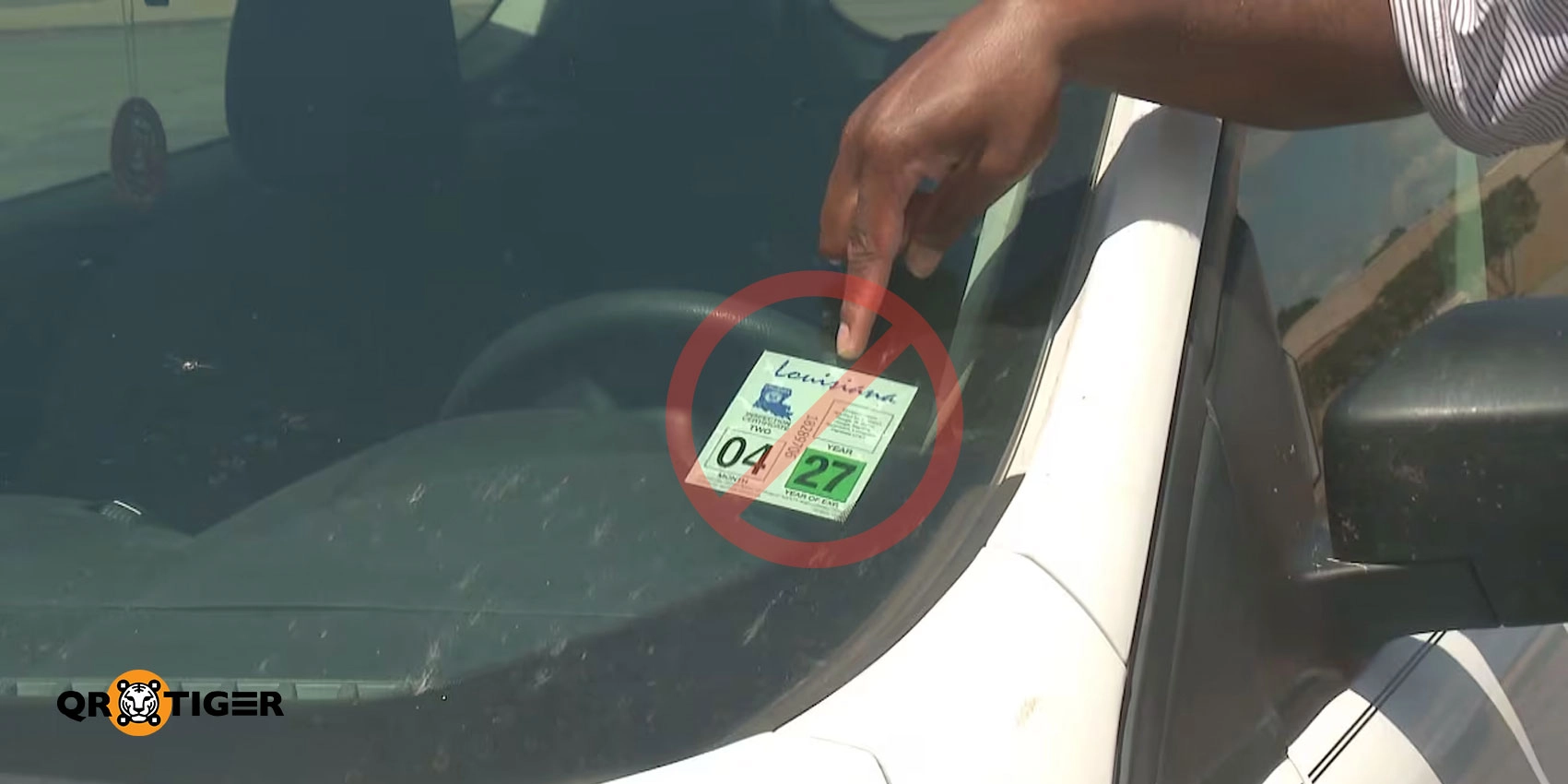
Luizjana przygotowuje się do poważnej zmiany w sposobie weryfikacji przeglądów pojazdów. Od 1 stycznia 2027 roku większość kierowców w całym stanie przejdzie z tradycyjnych naklejek kontrolnych na kody QR połączone z rekordami rejestracyjnymi ich pojazdów.
Ustawa domowa 1085 Kończy wymaganie corocznej kontroli bezpieczeństwa państwa dla większości pojazdów osobistych. Nowy system łączy naklejkę na przedniej szybie z kodem QR powiązanym z rejestracją pojazdu.
Funkcjonariusze służb porządkowych skanują kod QR w celu zweryfikowania właściciela, statusu ubezpieczenia oraz ewentualnych nakazów aresztowania.
Po siedmiu próbach Rep. Larry Bagley z Stonewall, który był autorem ustawy, Gubernator Jeff Landry wreszcie Podpisał ustawę domową nr 1085 2 czerwca 2026 r., kończąc system, który kierowcy z Luizjany stosowali przez dziesięciolecia.
Spis treści
Jak działa kod QR naklejki
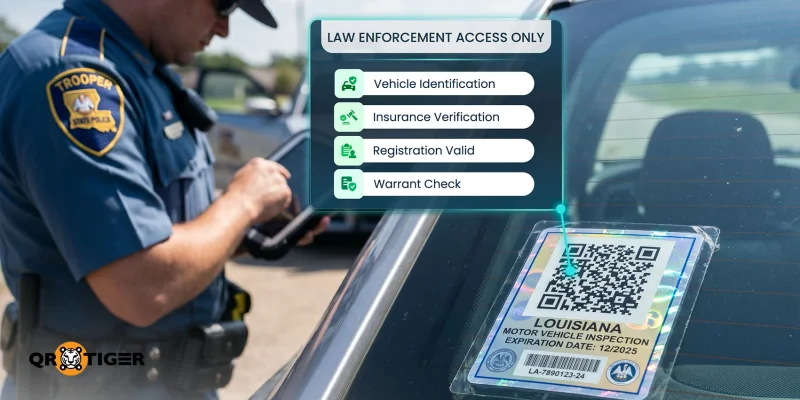
Właściciele pojazdów z Luizjany otrzymują nowy kod QR naklejki inspekcyjnej Luizjany pocztą za pośrednictwem Biura Pojazdów Samochodowych, gdy rejestrują pojazd lub odnawiają tablice rejestracyjne.
Bagley powiedział, że kod QR przechowuje ograniczone informacje, z numerem identyfikacyjnym pojazdu i kolorem jako głównymi punktami danych, podobnie jak w implementacjach innych krajów. kody QR numerów rejestracyjnych na pojazdach lubię samochody, ciężarówki, motocykle i autobusy.
Zgodnie z wydanym oświadczeniem, tylko sprzęt policyjny pobiera pełne dane, w tym dowód ubezpieczenia i ewentualne nieuregulowane nakazy związane z pojazdem. Cywil skanujący naklejkę za pomocą telefonu nie otrzymuje żadnych czytelnych informacji.
Naklejka kosztuje 6 dolarów rocznie. Obecna naklejka inspekcyjna kosztuje od 10 do 25 dolarów rocznie, w zależności od rodzaju inspekcji.
Kierowcy muszą umieścić nową naklejkę z kodem QR w lewym dolnym rogu przedniej szyby, obok istniejącego wyświetlacza numeru identyfikacyjnego pojazdu (VIN).
Co dzieje się ze wcześniejszymi naklejkami z przeglądu?
Wymagania dotyczące naklejek inspekcyjnych w Luizjanie są podzielone na dwie grupy zgodnie z nowym prawem. Biuro Pojazdów Motorowych Luizjany Komisarz Keith Neal powiedział, że program oparty na kodzie QR wpłynie na 59 z 64 parafii w Luizjanie.
Pięć parafii wciąż wymaga corocznych testów emisji zgodnie z wymaganiami federalnej Ustawy o Czystym Powietrzu: East Baton Rouge, West Baton Rouge, Livingston, Ascension i Iberville.
Kierowcy w tych obszarach zachowują swoje istniejące harmonogramy emisji, ale nie płacą już osobno opłaty za naklejkę inspekcyjną.
Neal wyjaśnił zmianę kosztów dla dotkniętych kierowców. Poprzednia roczna stawka inspekcji wynosiła 10 dolarów. W ramach nowego systemu ci kierowcy płacą 6 dolarów za kod QR plus opłatę za test emisji, przy jednoczesnej eliminacji opłaty za naklejkę inspekcyjną w wysokości 10 dolarów.
Pojazdy użytkowe i autobusy szkolne nadal są poddawane kontroli zgodnie z poprzednim programem kontroli.
Nowy Orlean, Kenner i Westwego mają swoje własne lokalne przepisy wymagające naklejek kontrolnych, często nazywanych metkami hamulcowymi, i Neal powiedział, że te programy miejskie będą kontynuowane w obecnej formie.
Reguły administracyjne wchodzą w życie 31 grudnia 2026 roku, a pełny program kodów QR zostaje uruchomiony 1 stycznia 2027 roku. Okres łaski trwa od 30 czerwca 2026 roku do 1 stycznia 2027 roku, podczas którego funkcjonariusze nie będą wystawiać mandatów za brak naklejki inspekcyjnej.
Reakcje i obawy
Zwolennicy
Landry argumentował, że tradycyjny proces inspekcji oferuje niewielkie korzyści dla bezpieczeństwa, mówiąc ustawodawcom, że kody QR pomogą również funkcjonariuszom szybciej identyfikować kierowców nieubezpieczonych. Szybsza identyfikacja, jak twierdził, może prowadzić do niższych kosztów ubezpieczenia samochodu dla ubezpieczonych kierowców.
Sen. Jay Luneau przedstawił zmianę jako długo oczekiwaną modernizację, nazywając ją krokiem naprzód dla stanu. Zwolennicy wskazują również na zmniejszenie oszustw i szybsze weryfikacje policyjne jako korzyści.
Problemy przemysłowe
Właściciele i pracownicy stacji kontroli obawiają się o utratę pracy. Wiele stacji polega na inspekcjach hamulców jako stałym źródle dochodów.
David Minton, inspektor znaków, zgłosił obawy dotyczące bezpieczeństwa samochodów z pękniętymi szybami i innymi wadami, które nie są już poddawane rutynowym inspekcjom.
Terry Buhler z Roadrunner Brake Tag Station w Metairie powiedział, że ruch klientów utrzymuje się na wysokim poziomie od podpisania ustawy. Jego stacja sprzedała 115 naklejek w jednym dniu w tym tygodniu, z większością klientów wybierających opcję na dwa lata.
Dostępność i kwestie polityki
Właściciel firmy Izat Zeidan zgłosił inną obawę.
Powiedział w wywiadzie dla KALB-TV, że system kodów QR usuwa punkt dotyku bezpieczeństwa, od którego zależą starsi i niepełnosprawni kierowcy, ponieważ proces inspekcji często wykrywa przepalone światło mijania, tylne lub kierunkowskaz, zanim zauważy to kierowca.
Steven Procopio, prezydent Public Affairs Research Council of Louisiana, podważył argument dotyczący ubezpieczeń. Powiedział WWL Louisiana, że nie ma jasnych dowodów na związek programów naklejek kontrolnych z niższymi składkami ubezpieczeniowymi samochodowymi.
Reakcje kierowców
Reakcje kierowców były mieszane. Maria Treme, mieszkanka okolic Nowego Orleanu, przyjmuje przysłaną naklejkę z zadowoleniem, ponieważ dotarcie do stacji kontroli hamulców wymaga wysiłku.
Lisa Schwalb ma nadzieję, że zmiana usunie powtarzające się zadanie i podoba jej się pomysł otrzymania naklejki pocztą.
Alex J., przeprowadzony przez KALB, wskazał na dwa korzyści: oszczędność na opłacie dwuletniej oraz system, w którym tylko funkcjonariusze mogą pobierać dane pojazdu z kodu QR.
James Hayton, mieszkaniec Metairie, dostrzega wartość w starszym systemie. Prawie zrezygnował z ostatniego odnowienia, ale zapłacił 10 dolarów, aby pozostać legalnym. Hayton powiedział, że kontrole drogowe pomagają wyeliminować niebezpieczne pojazdy z dróg Luizjany.
Dlaczego rządy sięgają po kody QR
Agencje państwowe i samorządowe w całym kraju zaczęły zastępować systemy oparte na papierze programami kodów QR.
Powody różnią się w zależności od działu, ale większość dzieli trzy motory: szybsza weryfikacja dla funkcjonariuszy terenowych, niższe koszty druku i dystrybucji oraz wbudowana odporność na oszustwa dzięki unikalnym identyfikatorom kodowanym.
Kody QR dla programów rządowych na poziomie lokalnym obsługują identyfikację, weryfikację zezwoleń oraz dostarczanie usług na poziomie miasta i stanu.
Organizacje prowadzące podobne programy często polegają na generatorze kodów QR online do tworzenia dynamicznych kodów QR z śledzeniem i niestandardowym brandingu dla swoich wdrożeń.
Teksas zakończył program naklejek na przegląd pojazdów w 2025 roku. Decyzja Luizjany w 2027 roku sygnalizuje, że ten trend nabiera tempa.
Co oznacza ta zmiana polityki skupionej na kodach QR dla kierowców z Luizjany
Przejście Luizjany na naklejki z kodem QR zamyka jedną z najdłużej trwających walk w legislaturze stanowej, bitwę, która zależała od 10 milionów dolarów rocznego finansowania policji stanowej związanych z starymi opłatami.
Większe pytanie brzmi, czy inne stany pójdą za przykładem. Teksas zrezygnował z programu inspekcji w 2025 roku. Większość sąsiadów Luizjany zlikwidowała swoje własne lata wcześniej.
Z Luizjany teraz na liście, naklejka kontrolna, standardowy element kultury amerykańskich pojazdów, wygląda bliżej wyginięcia niż przetrwania.
Dla kierowców w 59 dotkniętych parafiach, praktyczne oczekiwanie zaczyna się teraz.
Odwiedź QR TIGER i uzyskaj najnowsze wiadomości, trendy, innowacje i aktualizacje dotyczące technologii kodów QR.