
NHAI to Launch QR Code Signboards on Highways
 By Regie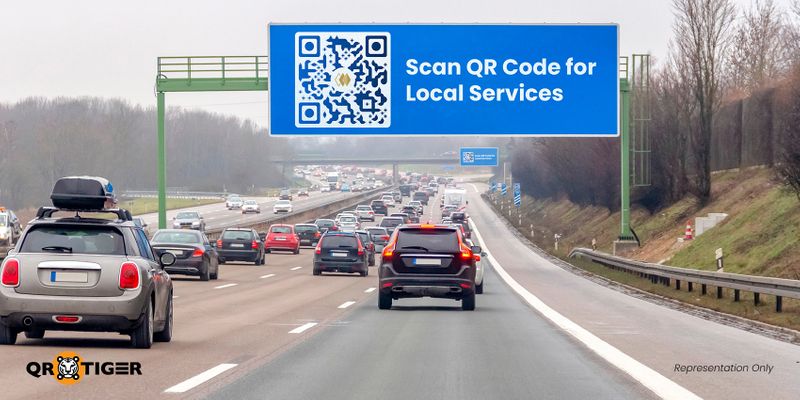
The National Highways Authority of India (NHAI) will install QR code signboards along the country's major highways.
The road signboards with QR codes will provide commuters with real-time information on road construction projects, emergency contacts, and nearby services for millions of road users across India's expansive highway network.
This initiative by the government of India aims to improve road infrastructure quality and safety, transparency, and convenience for commuters in the country.
Table of Contents
- Public disclosure of contractors' and officials' information through QR codes
- NHAI’s QR code signboards to aid travelers with key road and safety information
- Driver and commuter safety is needed more than ever before
- Travel made easier with convenience at people’s fingertips
- What’s next for India’s highways?
Public disclosure of contractors' and officials' information through QR codes
Road projects will be hot under public scrutiny as information about contractors and NHAI officials will soon be disclosed through QR codes.
At the conference organized by the Confederation of Indian Industry (CII), Nitin Gadkari, Union Minister for Road Transport & Highways, announced that the information signboards along the roads will include essential information about the contractors and agency officials supervising the construction projects.
By scanning the QR codes on the signboards, the public will see the names, contact numbers, and addresses of the people whom they can hold accountable for any possible issues they face while traversing the highways, such as potholes, poor lighting, or missing lane markings, among others.
In India, contractors are bound by a defect liability period (DLP) after the project's completion, often as long as 10 years.
Within this time frame, they are legally obligated to fix any defects at their own cost. However, some are able to bypass this agreement.
Corruption within the road construction sector also persists in India, resulting in more substandard road work, poor maintenance, and ineffective repair methods, which all obstruct the government's goal of building high-quality road infrastructure.
As commuters are the ones who directly experience and suffer from road inconveniences, Gadkari sees the increased transparency as an opportunity for them to be aware of the people who neglect road issues and report them to the agency immediately.
The NHAI will also continue to audit road projects around the country and take action against those responsible for the setbacks.
NHAI’s QR code signboards to aid travelers with key road and safety information
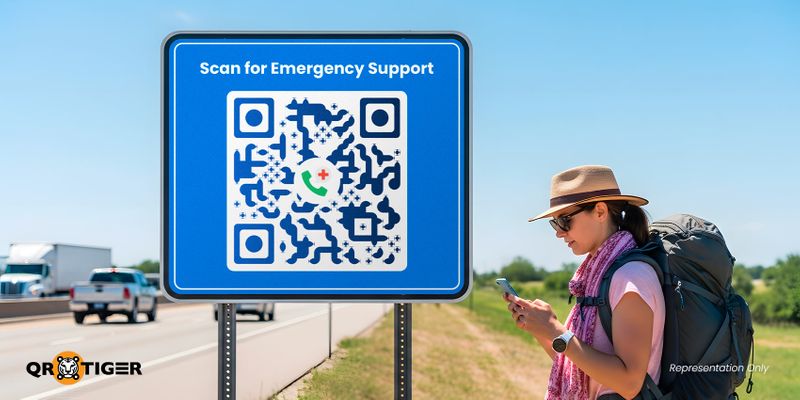
The newly introduced signboards will be placed along critical routes like the Delhi-Mumbai Expressway and the Golden Quadrilateral, offering commuters instant access to important data.
Travelers can scan the dynamic QR code signs with their smartphones to retrieve information, including project details, emergency contacts, and nearby services.
This digital initiative aims to immediately direct travelers to information on the essential services they might need while on the road, particularly in remote or rural areas where such services can be harder to find.
Each signboard QR code connects directly to official NHAI databases, making sure that every detail remains accurate and credible.
This large-scale rollout also shows how agencies can benefit from using the best QR code generator to create reliable QR codes that maintain quality even in outdoor conditions.
Driver and commuter safety is needed more than ever before
The NHAI’s use of QR code technology marks a significant step in modernizing India’s highway infrastructure. These signboards help increase transparency and help improve road safety.
This initiative also sets a good example for other public service projects that can use QR code signage to display verified information and improve public communication.
For commuters, it means having immediate access to relevant contact details, making it easier to get assistance in case of an emergency or unexpected situation.
According to the Ministry of Road Transport and Highways (MoRTH), “Apart from giving project-specific details and improving transparency, the QR code signboards will strengthen road safety through better access to emergency and local services while improving commuter convenience and awareness about national highways.”
And to make sure these signboards actually help when people need them, NHAI has been smart about where they’re placed.
The signboards will be strategically installed at key locations, including toll plazas, rest areas, truck lay-bys, and the start and end points of highways.
This makes sure that no matter where people are on their journey, they will always have access to the information they need, whether they are traveling for business, leisure, or emergency reasons.
Colonel Sharad Singh, project director at NHAI, Lucknow, said, “Preparations are underway to install QR code signboards at all major locations along the national highways in the Lucknow region. By the end of this month, the system will be fully operational. Once scanned, the QR code will provide travelers with all necessary information within seconds.”
Travel made easier with convenience at people’s fingertips
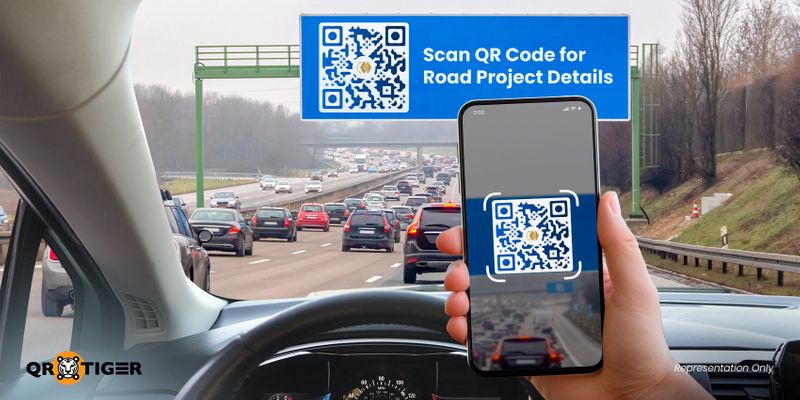
Beyond emergencies, these QR codes are designed to make every journey smoother, from planning a traveler's route to finding their next pit stop.
Whether people are driving through congested toll plazas or navigating long stretches of highway, they can locate nearby services.
This QR code sign outdoors will be useful during long road trips, offering travelers peace of mind knowing that critical services like fuel stations and vehicle repair shops are just a scan away.
What’s next for India’s highways?
QR code signboards are just one of many steps in NHAI’s ongoing efforts to digitize and modernize India’s highway network.
India’s push towards a digitally connected highway system is setting the stage for a future where road users have real-time access to everything.
By combining QR code technology with infrastructure, the NHAI is not just making road travel more convenient but also smarter, safer, and more connected for everyone on the road.
This article is for general informational purposes only and does not constitute legal, financial, or other professional advice. For questions about QR TIGER's products or services, please contact our support team at [email protected].
Was this article helpful?
Maximize Scans with the Best QR Code Generator
Join thousands of global brands using QR TIGER to manage dynamic routing, bulk creation, and deep attribution analytics.
Get Started For Free