How to Create a QR Code for a Google Form: Scan & Collect Responses
 By Vall V.
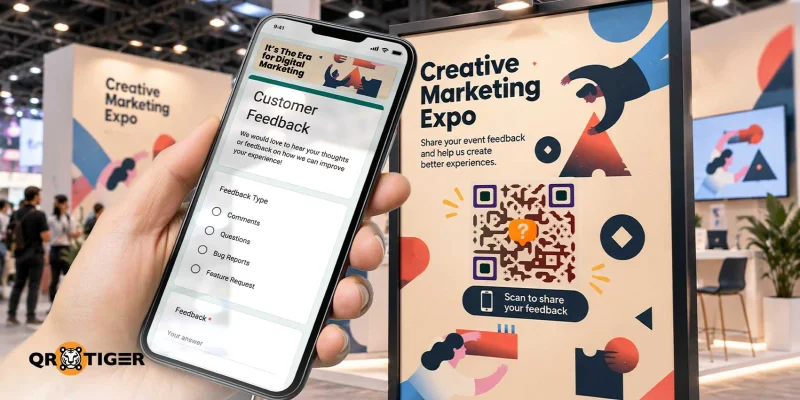
The first step to creating a QR code for a Google Form is to open a QR code generator. Next, copy the form’s shareable link and paste it into the tool. Then, generate the code and customize it. Once done, test it and download it in a format appropriate for the material or method for sharing.
From surveys and registrations to customer feedback, this simple setup brings your digital form into places where sharing a regular link isn't always practical.
Read on to learn more about how to create a QR code for a Google Form and where to use it.
Note: This article was updated in October 2026 to include the latest information, expert insights, and practical tips on creating and using Google Form QR codes.
In simple steps
|
How does a QR code for Google Forms work?
A Google Forms QR code links directly to an online form created on the platform.
When a smartphone scans the code, it opens the linked form in the browser. Respondents can answer and submit it normally. The responses are automatically recorded in Google Forms.
The code doesn’t contain the questions or responses themselves. It simply works like a shortcut to the digital form, which is especially useful when a clickable link isn’t practical or possible (e.g., print materials).
For example, placing a QR code for a form on an event sign is much more convenient than manually displaying a link that requires attendees to type it.
How to create a QR code for a Google Form
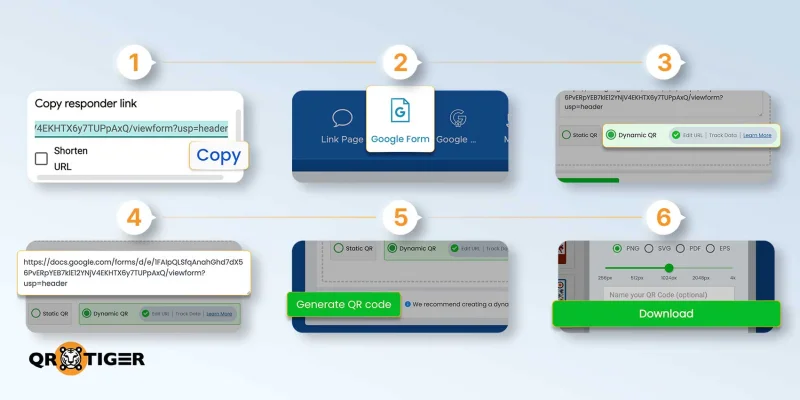
1. Copy the shareable link of your Google Form
First, open your Google Form and get the shareable link. Under the “Share” section, click “Copy responder link.” Under the link icon, click “Copy.” To shorten the form’s link, tick the box before copying it.
2. Go to a QR code software and select the Google Form QR code solution
Head over to your chosen QR code generator with logo integration. Find and select the Google Form QR code option. Alternatively, you can use the one for URLs.
Note: You can use a free online form builder to create a custom digital form that you can share via a QR code or a short link.
3. Choose a dynamic QR code
Select the “Dynamic QR” option. This gives you more flexibility after creating the code, where you can update where the code leads without generating or printing a new one.
Note: Static QR codes permanently store the Google Form link, which means you can’t edit or update the code’s destination once it is printed.
4. Paste the shareable Google Form link in the provided field
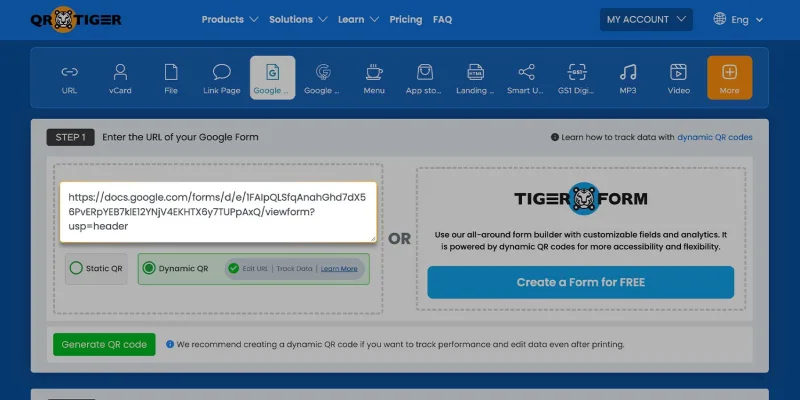
In the designated empty field on the platform, paste the link you copied earlier. This will be the destination URL your QR code directs users to when scanned.
5. Generate and customize your QR code to make it visually appealing and unique
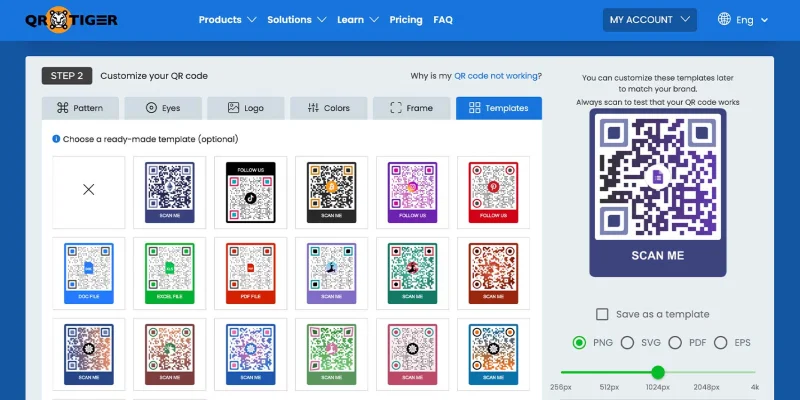
Click the “Generate QR Code” button.
Start personalizing your QR code style by adding colors, shapes, and a QR code logo to match your branding and enhance its professional look.
6. Scan the QR code preview to test it
- Open your phone’s Camera app.
- Point the camera at the QR code preview.
- Keep the QR code centered and make sure it is clearly visible.
- Wait for a notification or link to appear on the screen.
- Tap the notification or link to open the QR code’s content.
- Check that the QR code works correctly.
7. Download and save your custom QR code
Choose whether to download it in PNG or SVG format based on your needs, then click the “Download” button to save your QR code.
Why use a QR code for Google Forms?
Google Forms makes it easy to share a form through a link. A QR code is useful when you need to connect the online form to people in a physical location or make it easier to open on another device.
QR TIGER CEO Benjamin Claeys acknowledges the problem of typing out a long URL. Scanning a QR code is much easier because:
- Share forms without long URLs: A QR code on posters, flyers, signs, packaging, presentations, or other materials keeps them clutter-free from long texts.
- Give people quicker access: Scanning a QR code can take users directly to the form, reducing the steps between seeing your request and responding.
- Connect offline materials to online responses: Printed materials can lead directly to a digital survey, registration page, feedback form, or questionnaire.
- Reduce paper-based processes: Instead of distributing and collecting physical forms, respondents can enter their information digitally using their own smartphones.
- Make forms easier to access on mobile devices: People who encounter your form while away from a computer can scan the code and respond from their smartphones.
Where can you use Google Form QR codes?
QR TIGER’s latest data reveals that Google Form QR codes account for 0.44% of the most widely used QR code solutions in the software.
While a relatively small share, their practical use spans different settings where people need a quick way to access and complete a form. Here are some places where you can use them:
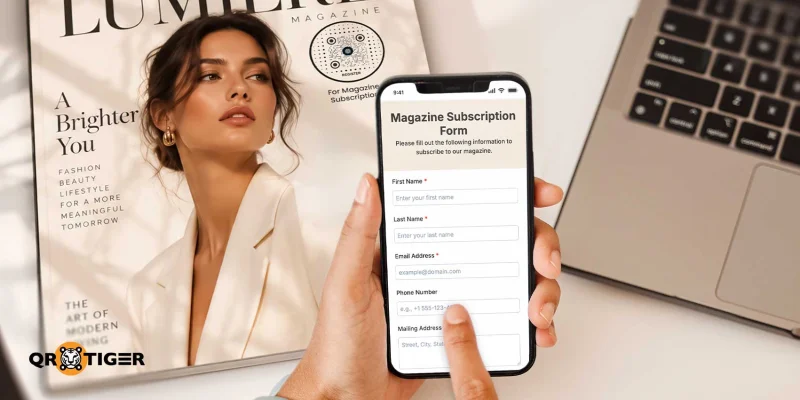
A Google Form QR code fits situations where people need to submit information while interacting with physical locations, printed materials, or events.
Collect customer feedback
Place the code on receipts, counters, or product packaging, and link it to a feedback form where customers can rate their experience, leave comments, or make suggestions.
Conduct surveys
Displaying QR codes on printed or digital materials to people to an online questionnaire works easily for customer research, school activities, workplace surveys, community studies, and other tasks that need to gather data.
Manage event registration
Add a QR code to invitations, posters, event pages, or entrance signage. Attendees can type out their name, contact info, attendance details, and any other information on their phone.
Simplify check-ins
Hotels, offices, schools, conference venues, and event venues can link the QR code to a check-in form. Visitors enter the required fields with their details on their device without waiting for a shared sign-in sheet or registration terminal.
Accept reservations and appointments
Businesses can review each customer’s request and confirm the schedule by linking a QR code to a form that asks for the details. This works best for request-based reservations rather than bookings that require real-time availability.
What to consider when creating a QR code for a Google Form
Check who can open the form
An accurate link won't help if organizational or account restrictions prevent your audience from opening it. Review your responder-access settings before generating the code, especially when the form is intended for the public.
Use the responder link, not the editor link
Copy the URL intended for people filling out the form. The editor address serves a different purpose and can lead scanners to an editing screen, sign-in request, or permission error instead of the questionnaire.
Choose between static and dynamic
Consider dynamic code if you expect to replace the linked form, reuse printed materials, or measure scans (Static QR code works for a fixed destination, and is uneditable).
Keep the design scannable
Maintain a clear contrast between the pattern and its background. Leave enough empty space around the edges so it shouldn't interfere with detection.
Add a clear call to action
People should know what happens after scanning by adding a call to action(CTA). Phrases such as “Scan to register,” “Scan to check in,” and “Scan to give feedback” provide context instead of leaving an unexplained square on the page.
Test before publishing or printing
Check the destination, permissions, loading experience, and submission process. For printed campaigns, scan an actual sample at its intended size before producing the full batch.
Choose the right file format
An image file format such as PNG is suitable for websites, emails, presentations, social graphics, and many small-print applications.
SVG otherwise is better when the design needs to scale for posters, banners, and other large-format materials because it stays sharp when resized.
Why use a dynamic QR code for Google Forms
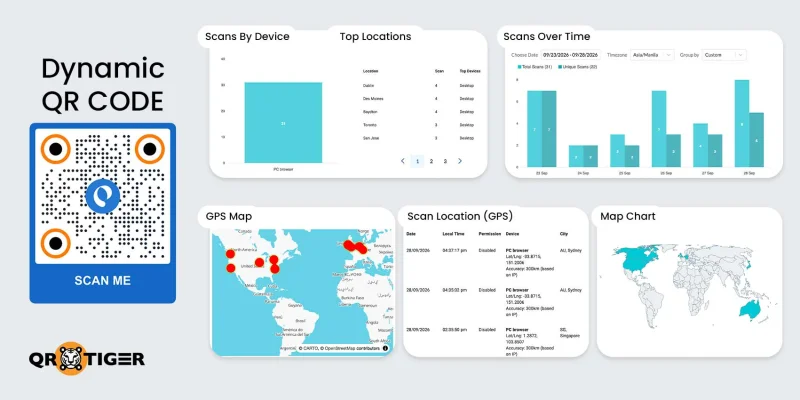
Static QR codes don’t let you change the Google Forms link stored in codes, because it stores its destination directly in its pattern. It works well when you have one permanent Google Form and don't need to change where the code leads or monitor scan activity.
On the other hand, a dynamic QR code gives more control. You can change the destination behind the existing code, which means a printed copy can lead to another form later without being replaced.
This is useful if you run different surveys, registrations, or campaigns throughout the year. Depending on the QR code platform and subscription, dynamic QR codes can also support:
- Destination editing: Replace the linked Google Form or send scanners to another page.
- Scan tracking: Measure activity such as scan totals, time, location, or device type.
- Expiration settings: Control when a campaign or code should stop working.
- Retargeting: Connect supported marketing tools to audiences who interacted with the code.
- Reusable campaign materials: Keep printed materials in place while changing what appears after the scan.
Static QR code isn't necessarily the wrong choice. For a simple one-time form, it may be all you need. Dynamic becomes your option when you want your QR code printed, reused, measured, or managed later on.
How to share and place your Google Form QR code
- Put it where people will actually use it. For feedback, that could be a receipt, checkout counter, table card, or product package.
- Keep it close to the action. Registration codes make sense on invitations, posters, and entrance signs, while schools and workplaces can add them to handouts, notice boards, or presentations.
- Use it online when it saves people a step. Add the code to PDFs, emails, social posts, presentations, or digital displays when your audience is likely to view them on another screen.
- Make it easy to notice and scan. Give the code enough space, size it for where it'll be seen, and add a short prompt such as “Scan to register” or “Scan to give feedback.”
- Watch where you print it. Folds, curved surfaces, glare, and anything covering the pattern can make scanning harder. If you're keeping the code up for a while, check it now and then to make sure the form still opens for respondents.

Frequently asked questions about QR codes for Google Forms
What is a Google Form QR code?
A Google Form QR code is a scannable code linked to a Google Form. Pointing a compatible smartphone camera at it opens the form in a browser, to allow the respondent to fill it out and submit their answers.
Can I make a QR code for an existing Google Form?
Yes, you can use an existing form without recreating it. Copy its shareable link, paste it into a QR code generator online, and generate the code.
Can I edit a Google Form after creating its QR code?
Yes. You can change questions, descriptions, and other content within the same Google Form without replacing the QR code, as long as its shareable URL remains unchanged.
If you want the existing code to lead to an entirely different form or webpage, you'll need a dynamic QR code that supports destination editing. If not, you'll need to generate a new static code.
Does a Google Form link QR code expire?
A static QR code usually continues to point to its encoded URL as long as its destination remains available. Dynamic QR codes work differently and may be affected based on your paid plan, account status, or expiration settings.
Do people need a Google account to answer a Google Form?
Depending on the form's settings, a form can be made available without requiring respondents to sign in, while certain settings or organization restrictions may require a Google account.
Can I track scans of my Google Form QR code?
Yes. A dynamic QR code with analytics can track interactions with the code separately, helping you see its scan count and compare it with the number of completed responses. Though Google Forms records responses rather than QR code scans.
Create a QR Code for Google Form with QR TIGER
Learning how to create a QR Code for a Google Form gives people a simpler way to reach your form, especially when a clickable link isn't practical.
Instead of typing a URL, they can scan a code, open the form, and respond from their phone.
A dynamic QR code generator like QR TIGER lets you create and customize dynamic QR codes that you can edit and track their scans later on.
To create them for free, simply register for an account—no credit card details are asked.
This article is for general informational purposes only and does not constitute legal, financial, or other professional advice. For questions about QR TIGER's products or services, please contact our support team at [email protected].
Frequently Asked Questions (FAQ)
What is a Google Form QR code?
Can I make a QR code for an existing Google Form?
Can I edit a Google Form after creating its QR code?
Does a Google Form link QR code expire?
Do people need a Google account to answer a Google Form?
Was this article helpful?
Maximize Scans with the Best QR Code Generator
Join thousands of global brands using QR TIGER to manage dynamic routing, bulk creation, and deep attribution analytics.
Get Started For Free