Indonesia and South Korea to Launch Cross-Border QR Code Payments

Starting in April 2026, tourists traveling between South Korea and Indonesia will be able to enjoy fast, cashless payment methods through the new cross-border QR code payment system.
This is part of a joint initiative by Bank Indonesia and the Bank of Korea, designed to create a more seamless and tourist-friendly experience through an advanced QR code generator.
By linking QR code mobile payment networks, the partnership aims to encourage smoother travel, trade, and economic activity between the two nations.
Table of Contents
Behind the cross-border payment initiative
According to the Bank of Indonesia, the initiative began with bilateral discussions between the Bank Indonesia and the Bank of Korea in 2023, which led to a memorandum of understanding, formally signed in July 2024.
Once live, the cross-border QR code payment service is expected to work alongside the existing Local Currency Transaction (LCT) framework, enabling faster, more convenient travel between the two countries.
By lowering these frictions, both central banks aim to support broader “real-sector” economic activity, like tourism and consumption. In turn, this will help facilitate trade-related activity between the two economies.
Following the joint press release on February 5, 2026, both banks confirmed that the QR code payment system will roll out in both countries by April.
There have also been plans to expand and enhance the payment system after launch, using QR code payment statistics from both countries to improve compatibility across payment platforms.
How the cross-border QR code payment works
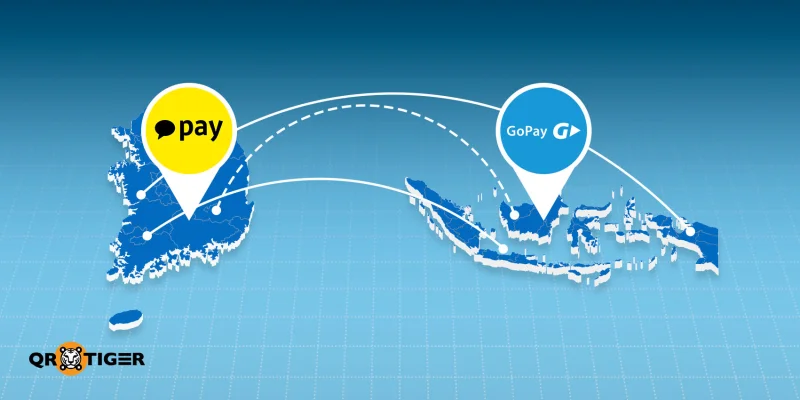
Powered by an advanced QR code generator platform, the system allows travelers to use their domestic digital wallet apps to scan QR codes displayed by merchants in either host country.
This means QR code payment apps like Kakao Pay in South Korea and GoPay in Indonesia can be used to make payments directly in local currency, eliminating the need for cash exchange and international credit card usage.
For tourists, this makes for faster checkouts and more secure transactions, as they no longer need to withdraw or convert cash to local currency.
For small businesses, a digital payment solution opens up sales to tourists by enabling them to scan or create QR codes for payments, which is quicker and more convenient than cash.
A more connected payment system between Indonesia and South Korea
While the initial announcement did not include details on merchant coverage, participating payment apps, or transaction limits, the move towards cross-border QR code payments offers tangible benefits for both tourists and businesses in both countries.
It also highlights a broader vision of leveraging a generator for a QR code for payment to strengthen economic ties, support tourism, and make border commerce smoother for everyone.
With plans to expand and enhance the system after launch, the future of QR code payment solutions between South Korea and Indonesia is now more connected and travel-friendly than ever.