
Sri Lanka Launches Fuel QR Code System to Stabilize Distribution
 By Kyle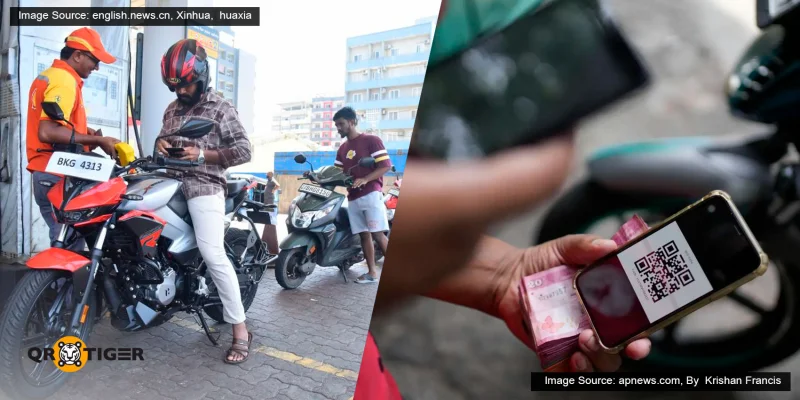
COLOMBO, SRI LANKA — As of March 15, 2026, Sri Lanka requires vehicle owners to participate in its nationwide fuel QR code distribution system.
The QR code fuel pass registration is part of the country’s response to manage its fuel reserves amid supply disruptions stemming from the ongoing military situation in the Middle East.
According to President Anura Kumara Dissanayake, “We are confident that we can overcome this challenge. A robust mechanism is already in place, and we are continuously monitoring the situation. Accordingly, we believe we will be able to respond to these circumstances effectively.”
The Deputy Minister of Tourism also introduced a separate QR code for fuel dispensing for hoteliers, tour operators, and transportation providers, who are part of Sri Lanka’s most important economic pillars.
Table of Contents
How to get a QR code for fuel in Sri Lanka?
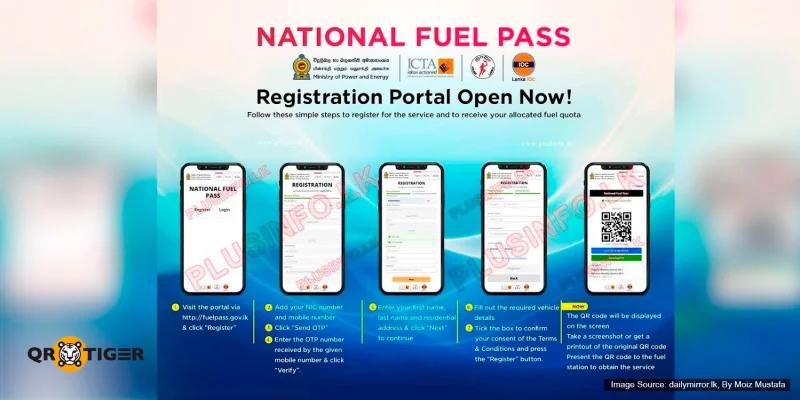
Drivers can register their vehicles on the official website and receive the national fuel pass Sri Lanka QR code by submitting their NIC number, mobile number, full name, residential address, and vehicle information.
Once they tick the box to consent to the Terms & Conditions and register, the website’s QR code generator creates a unique fuel QR code that vehicle owners must keep a copy of, either as a screenshot or printout, to present at local filling stations.
Regarding how to check the fuel balance in the QR code, vehicle drivers can visit the official National Fuel Pass portal and log in to their accounts. The dashboard shows the remaining weekly quota in real time. They can also ask the filling station attendant to check the balance on their system.
The Sri Lanka Computer Emergency Readiness Team (Sri Lanka CERT) advises the public to use only the QR codes generated on its official site, as complaints have arisen about fake websites claiming to provide fuel QR codes.
These sites primarily aim to steal personal and financial information. CERT thereby warns people not to click links or scan QR codes they find on messaging applications, social media, or unverified websites.
Sri Lanka’s tourism and fuel distribution crisis

Implementing Sri Lanka’s fuel rationing QR code system is the government’s response to the country's long-standing problems.
Amid fuel shortages caused by the war in Iran, the country faces not only a fuel distribution crisis but also a tourism crisis.
According to the country’s Ministry of Energy, the disruptions have caused delays in international supply routes, while domestic fuel demand in Sri Lanka has continued to steadily rise.
Issues regarding illegal fuel hoarding and stockpiling were also contributing to supply shortages in certain areas of the country.
These problems are also affecting the country’s tourism sector, as Sri Lanka, along with other countries, experienced a decline in arrivals from the Middle East due to ongoing regional conflicts.
The decline underscores the need for better fuel management and calls for broader government efforts to ensure Sri Lanka’s tourism sector remains stable despite the issues.
400,000 fuel QR codes now active across Sri Lanka
Despite initial authentication problems, the implementation of the fuel QR code registration in Sri Lanka has made significant progress, issuing around 400,000 QR codes and processing 30,000 new registrations per hour.
For the tourism industry, the QR code fuel pass system ensures operational stability, protecting local businesses while also strengthening the country’s position as a secure and reliable tourist destination.
By addressing the country’s current issues with fuel distribution and tourism, Sri Lanka aims to maintain its reputation for economic resilience, using secure QR code authentication to efficiently manage its resources.
Final thoughts
Sri Lanka’s fuel QR code rollout is a testament to the versatility of QR codes, not only improving the country’s fuel distribution but also ensuring that critical industries continue operating with minimal issues.
While some challenges remain, the QR code-based fuel distribution method, powered by a reliable, advanced QR code generator, is helping the country address real-world supply chain issues and provide a transparent system amid ongoing global challenges.
With quick thinking and calculated risks, world leaders and their countries can adapt technologies like QR codes to remain resilient even in the face of a global crisis.
This article is for general informational purposes only and does not constitute legal, financial, or other professional advice. For questions about QR TIGER's products or services, please contact our support team at [email protected].
Was this article helpful?
Maximize Scans with the Best QR Code Generator
Join thousands of global brands using QR TIGER to manage dynamic routing, bulk creation, and deep attribution analytics.
Get Started For Free