
Signs and Tips for Proper Outdoor QR Code Maintenance
jpg_800.webp)
Outdoor QR codes are fighting a daily battle: sun glare, rain attacks, dust storms, curious pigeons, and the occasional coffee spill from a passing human. A few weeks of weather drama, and the once-perfect squares start looking more like abstract art.
Even if you create them with the best QR code generator, your QR codes will inevitably become unscannable over time. They are not immune to wear and tear, just like any other marketing assets.
But there are ways to slow it down or avoid it altogether. Let’s take a closer look first at when to replace QR codes on outdoor ads. Then, learn what to do next to ensure they always scan successfully.
Table of Contents
- 11 Signs an outdoor QR code needs fixing
- 1. Damaged QR code pattern
- 2. Signs of sun exposure
- 3. Water stains and moisture
- 4. Visible dust and grime on print
- 5. Presence of tears, cracks, or peeling
- 6. Unnecessary or harmful overlays
- 7. Broken link and QR code
- 8. Poor lighting conditions
- 9. Outdated campaign information
- 10. Glare from a reflective surface
- 11. Surface warping
- How to create a durable QR code
- How to keep your QR code for outdoor sites working rain or shine
- QR TIGER: Your partner for QR code outdoor campaigns
- FAQ
11 Signs an outdoor QR code needs fixing
QR codes are known to work best for outdoor campaigns, printed on posters, flyers, hoardings, or standees. But when left unchecked, that small oversight on the QR code can quietly but deeply cost a business customer engagement, traffic, and sales.
Change the QR codes outside immediately when you see signs of the following conditions:
1. Damaged QR code pattern
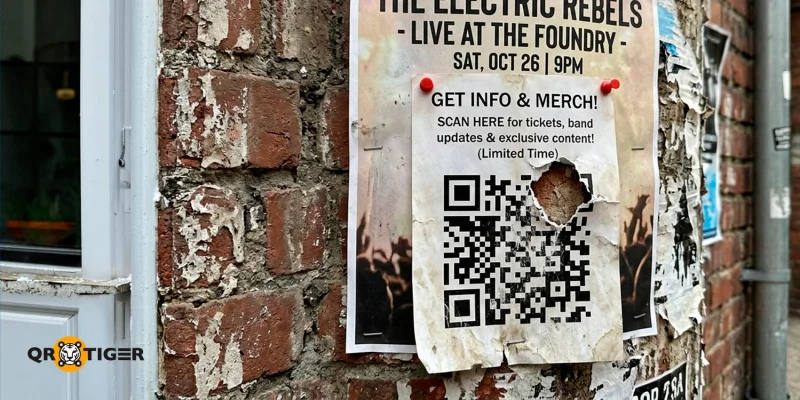
Faded color, dust, scratches, and everyday wear can slowly damage a QR code, causing the ink to fade and the pattern to break. Even tiny imperfections, ones you don’t notice at first, can make the QR code harder to scan.
Over time, this can hurt your campaign’s performance and frustrate users. It’s important to regularly check your QR code and replace it as soon as you notice any damage to keep the campaign running smoothly.
2. Signs of sun exposure
No matter how careful you are, using a QR code in outdoor activities is bound to be exposed to sunlight. When a QR code is exposed to constant sunlight, the darker areas gradually fade, reducing contrast.
This makes it harder for a QR code scanner to read it, slowing or even failing scans. The issue is especially common when placing QR codes in bright, open outdoor locations.
3. Water stains and moisture
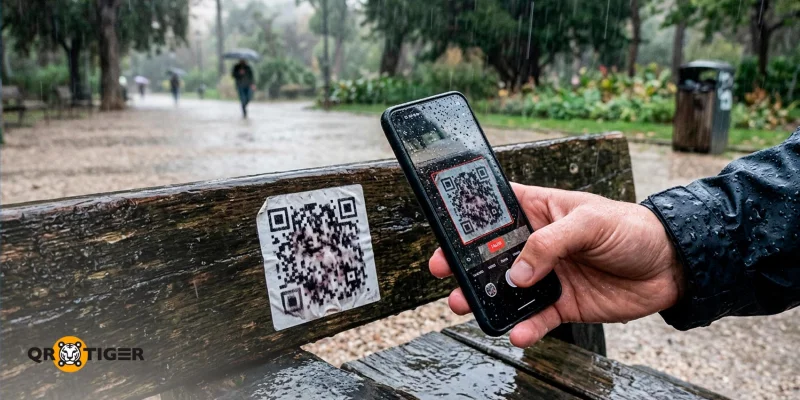
Weather changes are inevitable. Just like that rainy night that ruined your wall poster, rain and moisture can damage your QR code too, unless it’s properly maintained.
Paper-based prints are especially vulnerable. Moisture can distort the color and pattern of your QR code-based outdoor ads, making them harder for scanners to detect and often leading to unreliable or completely failed scans.
4. Visible dust and grime on print
Dust from passing vehicles and tiny airborne particles can easily settle on your printed QR code.
Over time, this buildup can cover the important parts of the QR code, making it harder for scanners to read. Even QR codes that look clean at first glance can be affected and fail to scan properly.
5. Presence of tears, cracks, or peeling
You can’t realistically keep a 24/7 watch over every outdoor QR code. Sometimes, people passing by might peel at the edges of a poster, mural paints crack, or street animals may tear into it out of curiosity.
And when parts of the code go missing, scanners have a harder time recognizing them. In many cases, the damage is irreversible, leaving the QR code completely unusable.
6. Unnecessary or harmful overlays
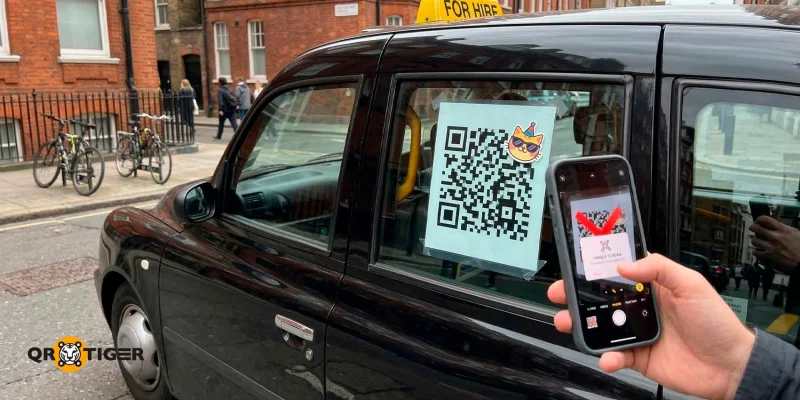
Outdoor spaces change quickly. Posters, stickers, and graffiti can easily cover QR codes, making them hard or impossible to notice and scan.
If key parts of your outdoor digital ads with QR codes are blocked, visibility drops, and so do scans. Replace your QR code for outdoor sites if:
- Another QR code sticker has been placed over it
- The code appears altered or tampered with
- Users report malicious redirects after scanning
When these occur, remove the material right away to prevent people from scanning the suspicious QR code further.
7. Broken link and QR code
This isn’t just an outdoor issue; it’s also a technical one. QR codes and campaign links can change, expire, or stop working over time. When that happens, users end up on error pages or blank screens, which can be frustrating.
The tricky part? Broken links often go unnoticed unless you regularly check your link page QR codes.
8. Poor lighting conditions
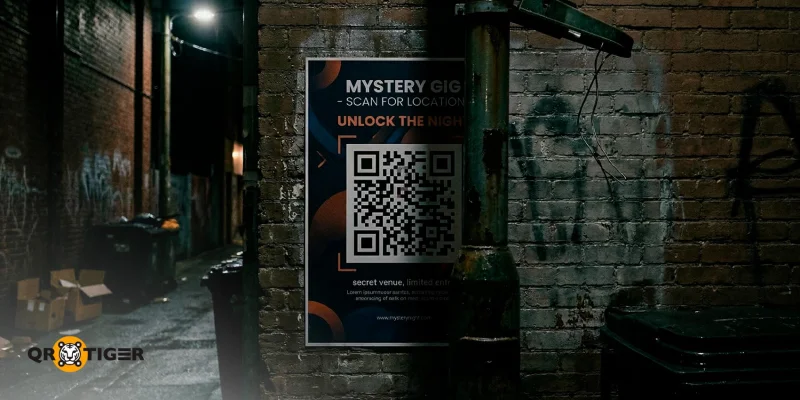
Sometimes you place a QR code out of reach of dust, rain, and direct sunlight, but overlook the lighting around it. Poor lighting can be just as damaging as bad weather.
If users can see the QR code but can’t scan it, even during the day because of low light, then the QR code isn’t doing its job. In that case, your QR code-based outdoor ads become practically useless.
9. Outdated campaign information
One QR code best practice is to ensure it aligns with your current campaign and branding.
When marketing materials change, older QR codes can quickly become outdated or inconsistent with your messaging. Replace your QR code for outdoor sites if:
- The brand design or logo has changed: Updated branding can make older QR codes look inconsistent with current visuals.
- A new campaign or promotion is being launched: It may require a different destination, such as updating the link page QR code to point to a new social media page, profile, or promotional post.
- The call-to-action needs updating: An outdated CTA can reduce engagement and confuse users.
- The QR code design no longer matches the current branding: Visual inconsistencies can weaken brand recognition and trust.
10. Glare from a reflective surface
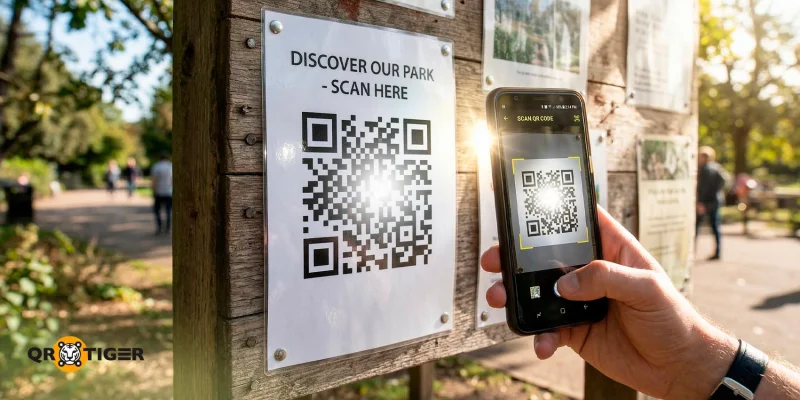
This is a major placement issue that directly affects outdoor digital ads with QR codes. Other than these, printing your QR code on glossy paper or placing it behind glass can cause glare, making it difficult for phone cameras to read.
If you notice this happening, it’s a clear sign that it’s time to rethink and reposition your QR code.
11. Surface warping
Outdoor surfaces aren’t always ideal. Walls may have cracks, poles may be curved, and boards can bend over time. Placing a QR code on uneven surfaces like these can easily warp or stretch the pattern.
Even a slightly distorted QR code can lead to inconsistent or failed scans. While the QR code may still look “okay” to the eye, cameras struggle to read it properly, making scans unreliable and frustrating for users.
How to create a durable QR code
Creating a QR code for outdoor use is easy. Follow the steps below to create a high-quality, long-lasting, and easy-to-manage QR code.
1. Visit QR TIGER and choose a QR code solution.
2. Select ‘Dynamic QR’.
3. Enter the required information.
4. Click ‘Generate QR Code’.
5. Customize your QR code to match your branding.
6. Run a scan test using the preview QR code.
7. Download the QR code in PNG or SVG format for high-quality outdoor printing.
How to keep your QR code for outdoor sites working rain or shine
Having second thoughts about placing your QR code outdoors? You really don’t have to. With just a little effort in maintaining its quality, your QR code can go a long way.
Here are some best practices to follow:
Use dynamic QR codes
Using a dynamic QR code for outdoor sites and installations helps ensure they remain reliable and easy to manage.
They also offer several advantages that make them ideal for outdoor use:
- Editable content: Unlike static codes, dynamic QR codes let you update the destination link or content without reprinting the code, making them ideal for outdoor campaigns where replacing signage can be costly or inconvenient.
- Trackable performance: Dynamic QR codes also provide scan analytics, enabling you to track metrics like scan count, location, and device type to measure campaign performance.
- Higher error correction: Advanced QR code generators allow you to set a high error correction level, helping the code remain scannable even if part of it becomes dirty, scratched, or slightly damaged outdoors.
- High-quality download formats: Download your QR code in formats like SVG to maintain sharp edges and clarity at any size, ensuring the code stays readable when printed on large signs, posters, or durable outdoor materials.
Choose durable print materials
QR codes for outdoor sites take a lot of abuse, so they need tougher materials to survive. A regular paper doesn’t stand a chance against rain, heat, and dust.
Hence, options that work much better for outdoor use include:
- Laminated prints – durable and protected from wear
- Vinyl stickers – resist rain, heat, and humidity
- Acrylic signage – maintains shape and contrast in outdoor conditions
- Metal plates – sturdy and long-lasting
- PVC boards – weather-resistant and durable
These materials keep the QR code’s shape and contrast, ensuring a durable, weatherproof QR code and reducing the need for frequent replacements.
Apply waterproof lamination
QR codes in outdoor environments face exposure to rain, moisture, and dirt, which can blur printed ink and make codes unscannable. Protect the surface by adding:
- Waterproof laminate
- UV-resistant film
- Protective plastic coating
This physical protection ensures a waterproof QR code that remains clear, readable, and functional, even in harsh weather and under environmental wear.
Avoid reflective surfaces
Glossy finishes might look sleek, but they tend to reflect light and create glare.
In bright daylight, this reflection can make it difficult for phone cameras to read the QR code properly, leading to slow or failed scans. Examples of materials to avoid for outdoor QR codes:
- Laminated paper or posters with glossy coating
- Acrylic or glass panels
- Shiny metal surfaces
- Glossy vinyl stickers
Instead, opt for matte or non-reflective materials to ensure consistent scanning outdoors.
Use scratch-resistant surfaces
When using QR codes outdoors, expect constant contact, weather, and potential vandalism, so durability is essential. To keep them intact and scannable over time:
- Use anti-scratch laminates to prevent scrapes and abrasions
- Print on rigid materials like acrylic, metal, or sturdy plastic
- Avoid soft surfaces that easily peel, tear, or warp
These best practices ensure your QR codes remain functional and maintain a professional appearance in high-traffic or challenging outdoor environments.
QR TIGER: Your partner for QR code outdoor campaigns
Outdoor QR codes don’t get ruined overnight. It usually starts small, a little fading here, a poor placement there, and before you know it, the campaign isn’t delivering results anymore.
The good news is that most of these issues are easy to fix with regular quality checks and a bit of attention. Think of your QR codes as tiny brand ambassadors standing outside for you. Keep them clean, visible, and scan-ready, and they’ll do their job well.
And it all starts with creating a high-quality QR code using a reliable generator like QR TIGER. With 24/7 customer support, you’re never alone when it comes to QR code maintenance.
Create the most durable QR codes today and let them work, rain or shine. 
FAQ
How to include QR codes on outdoor signage?
Place QR codes where people can easily see and reach them, preferably at eye level and in well-lit areas.
Use a larger size for outdoor visibility, and print on durable materials such as vinyl, laminated paper, or metal. Stick to high-contrast designs and avoid glossy finishes that cause glare.
Always test the QR code outdoors before final installation.
How much does it cost to replace outdoor QR codes?
The cost depends on the material, size, and printing method used. Simple paper or sticker QR codes may cost only a few dollars to replace, while laminated signs, vinyl decals, or metal plates can cost more due to printing and installation.
To reduce replacement costs, we recommend using dynamic QR codes, which cost $0 to $7 per month to manage. It lets users update the destination or content without printing a new one.
How long will QR codes last?
QR codes don’t expire, but outdoor conditions affect how long they stay scannable. Paper prints may last only weeks, while laminated, vinyl, or metal QR codes can last months or even years.
Sun, rain, dust, and damage shorten their lifespan, so regular checks are essential. Using Dynamic QR codes lets you update content without reprinting.
How to make a changeable QR code?
To create a changeable QR code, use a dynamic QR code generator platform. Unlike static QR codes, dynamic codes let you update the link or content even after the code has been printed.
Simply generate the QR code, print or display it, and later update the destination through the platform’s dashboard without replacing the physical code.
Why is my QR code not scanning outdoors?
There could be various reasons why QR codes are not scanning: damaged material, overlays on the code, poor lighting, or outdated content. You may check the list above.
What is the best material for outdoor QR codes?
For outdoor QR codes, use UV-resistant materials, laminated vinyl, or any material that can withstand heavy rains or strong sunlight.