
EASIGAS Introduces QR Code to Combat Illegal LPGas Refills
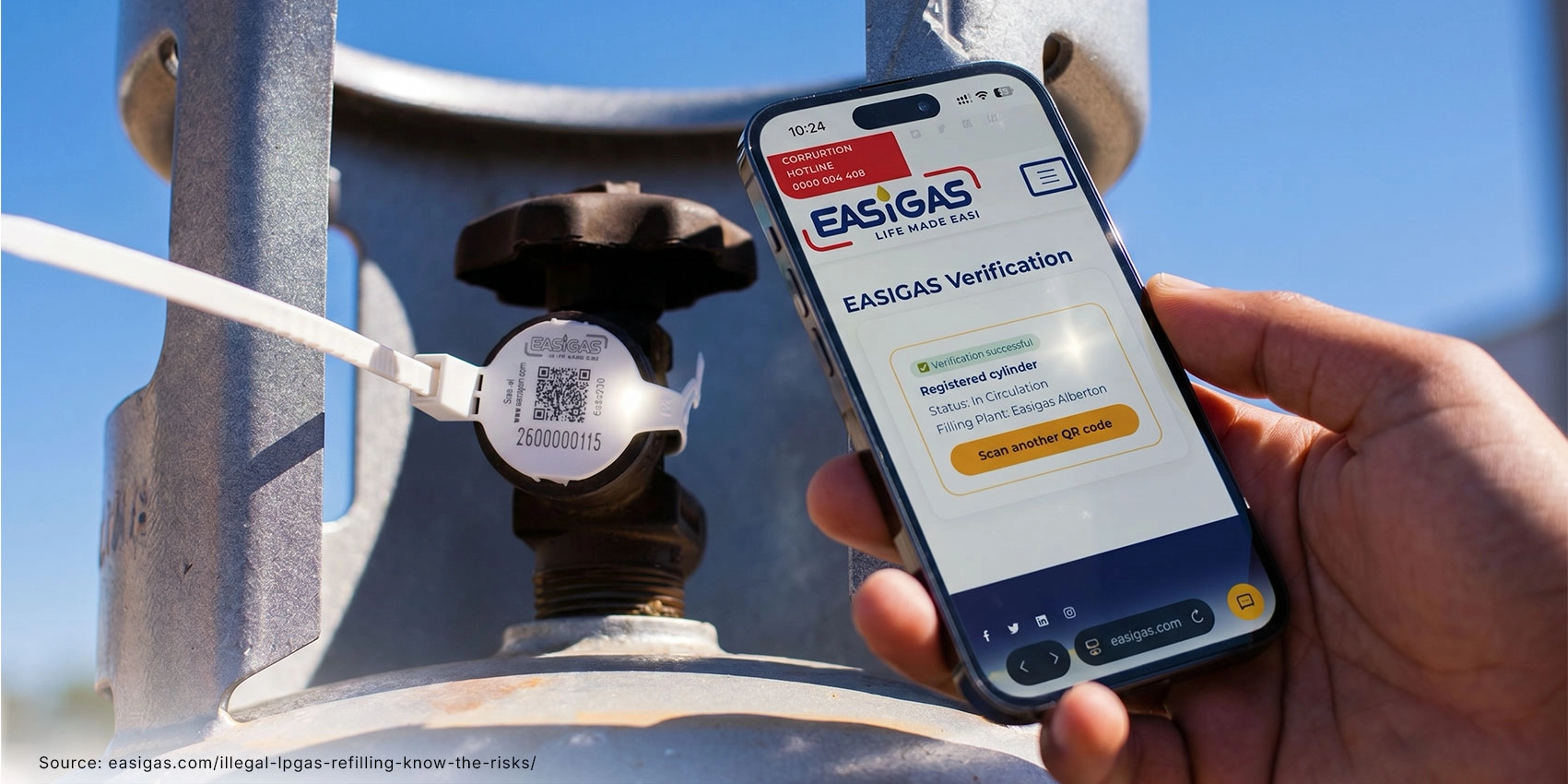
The South African LPG supplier EASIGAS introduces QR code seals to make verifying gas cylinders easier and more accessible for consumers.
Known as EASISEAL, the QR code product authentication seal is part of the effort to combat unauthorized distributors of non-compliant LPG cylinders, which have become more prevalent in the country.
Jeremie Tromp, EASIGAS CEO, notes that South African households that rely on gas “deserve to know that they are not compromising the safety of their home, and that they are getting what they are paying for in terms of quantity and quality.”
Table of Contents
What is the EASIGAS QR code?
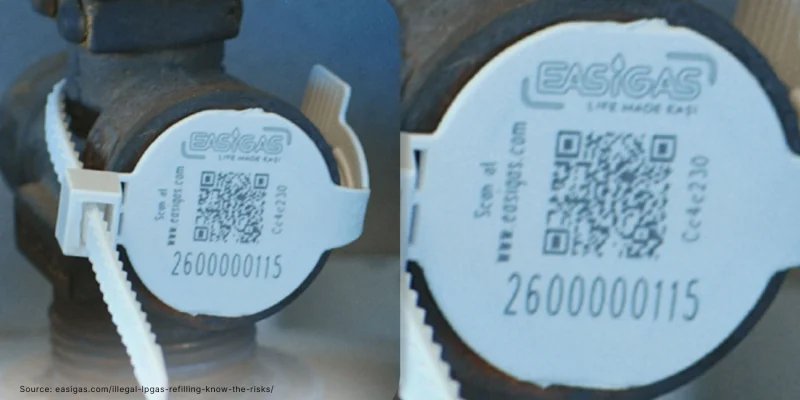
The EASISEAL QR code enables consumers to verify the genuineness of an LPG cylinder they purchase.
Each EASIGAS QR code is printed on a seal that is securely fixed to the cylinder’s opening. It’s the first thing consumers see before using LPGas.
As for the seals’ security, each EASISEAL has a QR code expiry feature that prevents reusing and tampering. Based on currently available information, the QR codes can be scanned only once and become unusable afterward.
Authorized distributors of the Safe LP Gas Distributors Network provide the new QR code seals. As per Tromp, “Only trained and certified professionals are legally permitted to refill gas cylinders and must follow strict safety protocols while doing so.”
How to scan the EASISEAL QR code
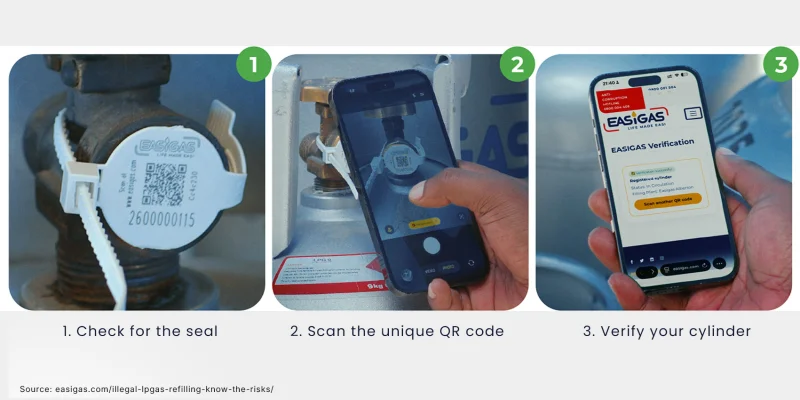
Consumers can scan their LPG cylinder’s QR code using their smartphone camera or upload an image to the official verification website of EASIGAS.
Once scanned or uploaded, they are directed to a page that validates the EASIGAS code and displays additional information, such as the fill date and fill location.
Here’s a more detailed guide to scan it:
1. Look for the seal. It should include the “EASIGAS” logo, a QR code, and product numbers.
2. Scan the QR code.
3. Verify the cylinder’s authenticity. The page will show “Registered cylinder.”
EASIGAS encourages consumers to scan the unique QR code at every exchange to ensure they purchase only legal and safe LPGas.
Any QR code that differs from the EASISEAL must be treated as suspicious and therefore shouldn’t be scanned.
A measure born from consumer care
About 89.8% of the population in South Africa relies on clean fuels like LPG for cooking. However, as the demand grows, so does illegal refilling and distribution. This has shifted the government and suppliers' priority to advance gas safety.
Using QR codes for product authentication is effective as they are easily accessible with smartphones.
QR codes can also be printed on almost any surface, allowing the company to place its code on the part of the cylinder that needs to be interacted with first before the gas can be used: the seal.
All with consumers' safety and convenience in mind, Tromp believes that EASIGAS’ QR code is an innovative seal that helps them make safer choices when purchasing LPG.
Efforts to curb illegal LPGas refilling continue
Spreading awareness about the risks of using underfilled, overfilled, or contaminated gas and implementing technology-based authentication systems, such as EASIGAS QR codes, are only part of the effort to curb this persistent problem.
Enhancements to safety standards and collaboration with industry bodies continue in South Africa to ensure consumer safety and long-term peace of mind.