
North Charleston’s Mental Health QR Codes For Those In Need

NORTH CHARLESTON, SC — On the 5th of May 2026, Mayor Reggie Burgess, Councilwoman Rhonda Jerome, and other Northern Charleston officials unveiled the new mental health QR code signs across the Ashley Phosphate Road overpass.
This is a suicide prevention initiative in response to the string of suicides and jump threats occurring on the overpass since 2022 up to the present.
According to Mayor Burgess, “There have been times this overpass was not a great day, as the city chose to recognize that, we need to do all that we can, and be better about taking care of our brothers and sisters.”
Installing QR code resource signage powered by advanced QR code software in high-traffic areas offers hope, support, and resources to many who pass by and to those currently dealing with a mental health crisis.
Table of Contents
Suicide incidents on the Ashley Road overpass
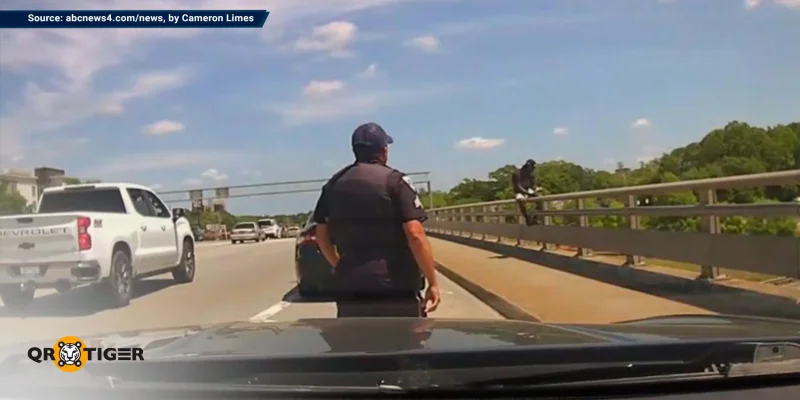
The rollout of the mental health QR code signs in North Charleston is part of the initiative to mitigate future incidents of suicide happening within the Ashley Phosphate Road Overpass.
Dashcam footage of a suicide attempt on the overpass was released in 2025, spurring the public to call for action.
In November 2024, a suicide incident also occurred, claiming the life of 68-year-old Cynthia Gardner, who jumped from the overpass and was pronounced dead at the scene.
Although there’s a steady decline over the years, the United States recorded 48, 824 suicides in 2024, with 23.4% (61.5 million) adults experiencing various degrees of mental health-related issues.
With these growing concerns in mind, North Charleston officials turned to a QR code generator as a faster, more accessible tool to connect people to immediate mental health support and crisis resources when they need them most.
Mental health QR codes as a digital lifeline
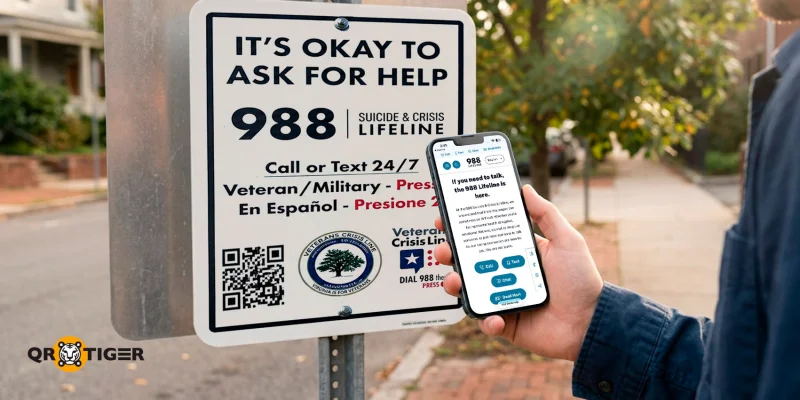
The recent unfortunate incidents prompted city officials to place QR codes on street signs along the heavily traveled corridor, right beside the jump barriers installed a year ago as a preventive measure.
Based on the data from the National Alliance on Mental Health, the 2nd leading cause of death among people ages 10-24 is suicide.
Officials explained that the mental health resources QR code is designed to provide immediate access to mental health services, including the 988 Suicide and Crisis Lifeline. Anyone in need of help can scan the QR code or call the numbers listed on the sign.
Mayor Burgess released a statement on the same day, mentioning that the effort was deeply personal on his end, as he had lost his own family to suicide.
“If we can save a life or even cause attention to a life that feels like, ‘I want to give up, nobody cares about me,’ we care about our people—not only people in North Charleston, anybody,” he said.
By using a mental health QR code that offers information and resources for those with mental health struggles, officials can at least start on the path to suicide prevention and offer a viable option for people seeking immediate support.
The QR code signs are already making a difference. According to North Charleston Police Officer Christopher Brasseux, he was able to respond to a man experiencing suicidal thoughts when he fortunately saw the signage and contacted the 988 hotline.
A more accessible way to ask for help
Initiatives like North Charleston’s mental health signs demonstrate how a simple QR code sign can provide immediate access and support to those suffering from mental health issues.
While a QR code for mental health check-in may not be the singular solution to the mental health crisis, its convenience and accessibility can help in removing critical barriers that could otherwise hinder suicide prevention, and can offer people more avenues to get the help they need.
By placing mental health QR codes directly in high-risk areas, city officials not only raise awareness but also create opportunities for intervention when people need them most.
People can find these QR code signs at the Ashley Phosphate Road, Weber Drive, and Aviation Avenue overpasses.