
QR Code Marketing Funnel Strategies: Drive Results at Every Stage

A marketing funnel is a framework that maps the customer journey, starting with discovering your brand to making a purchase and eventually becoming a loyal advocate.
With a strong marketing funnel strategy, brands can improve customer experiences, increase conversions, and build stronger long-term relationships, rather than focusing solely on one-time sales.
QR codes are effective in funnel marketing because they can help attract the right audience, build trust, simplify purchase journeys, and deliver timely content at each point of interaction.
They also support data tracking, especially dynamic QR codes, giving you a clearer picture of how audiences behave at different stages of engagement and enabling real-time optimization of funnel activities.
We’ll guide you every step of the way in using QR codes effectively to deliver the right experience at every stage of the customer journey.
Table of Contents
- Key data highlights
- How to use QR codes in your marketing funnel strategies
- Visualizer: QR codes across the marketing funnel
- Benefits of Using QR Codes in Marketing Funnel Strategies
- How to track your funnel marketing tactics via QR codes
- Strategies for using QR code-based funnel marketing
- How brands use QR codes at different funnel stages
- Build your QR code campaigns with QR TIGER
- People also asked
Key data highlights
|
How to use QR codes in your marketing funnel strategies
There are many ways to use QR codes in your full funnel marketing strategy. They work across both traditional and digital marketing channels, which makes them a valuable tool for omnichannel campaigns for many businesses.
Here are some QR code strategies to apply at the different marketing funnel stages:
Awareness stage (TOFU)
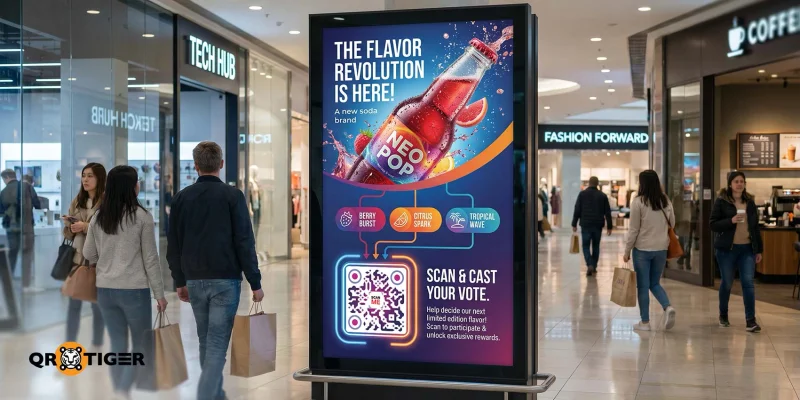
The awareness stage is where people first discover your brand, product, or service. The main goal is to raise audience awareness of a brand and encourage them to take an interest in it.
The key to top of funnel marketing is to focus on visibility and engagement rather than direct selling.
QR code strategy:
You can use QR codes to direct the audience to content that quickly captures attention and boosts engagement with your brand, such as promotional videos, short-form videos, social media contests, and interactive experiences (e.g., augmented reality (AR)).
To increase their visibility, place the QR codes in:
- Print materials – Posters, packaging, flyers, and billboards that direct users to digital experiences.
- Event marketing and activations – Booths, pop-ups, and experiential campaigns that create physical brand encounters.
- OOH (out-of-home) advertising – Billboards, transit ads, and street installations designed for high exposure.
Consideration stage (MOFU)
In the consideration stage, prospects actively compare products and seek trustworthy information about your brand before making a purchase. This can happen immediately after the awareness stage.
For your mid-funnel marketing strategy, you must focus on helping potential customers evaluate your products or services and build enough trust to prefer your brand over other alternatives.
QR code strategy:
Use QR codes to provide immediate access to detailed information that can influence purchase decisions, such as:
- Product information pages
- How-to videos and demonstrations
- Digital catalogs
- Case studies, press releases, and comparison blogs
- Customer testimonials and reviews
- Sustainability and sourcing information
According to the QR TIGER industry report, over 49% of QR code users prefer scanning QR codes to access information and useful, exclusive content.
QR codes work best wherever customers are transitioning from curiosity to evaluation, such as on product packaging and labels, retail shelf displays, demo stations, or printed handouts.
Just a special reminder to avoid overly aggressive selling. At this stage, people still need reassurance, not pressure. Pushing for a purchase too early can create resistance.
Conversion stage (BOFU)
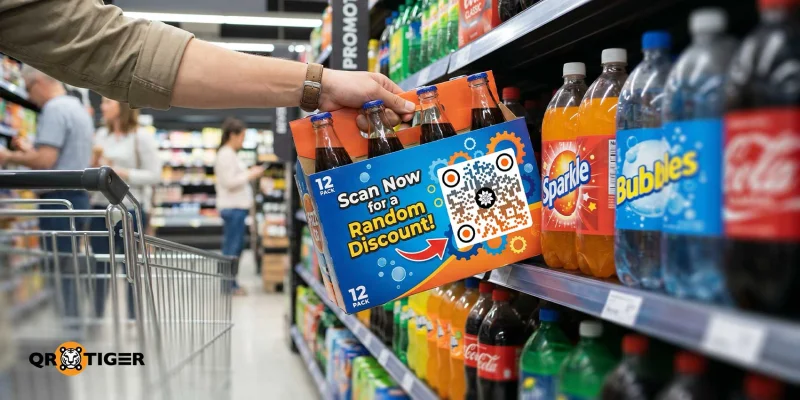
The conversion stage (bottom of the funnel) is where prospects become customers by completing a purchase, booking a service, subscribing to a plan, or taking another desired action.
What you need to focus on at this stage is to remove every remaining barrier between intent and action and, at the same time, reinforce confidence at the exact moment of decision.
Here’s where QR codes work best. Around 55% of users prefer scanning them to save time, according to our research.
QR code strategy:
When the customers are already ready to buy, use the QR codes to directly lead them to:
- checkout pages
- mobile payment options or digital wallets
- pre-filled forms for appointments, consultations, or subscriptions
- discounts, promo bundles, or free shipping
This reduces decision friction and shortens the path to purchase, improving the overall customer experience and making your sales funnel more effective.
Loyalty stage (post conversion)
The customer journey does not end after a purchase. The long-term value of marketing comes from retaining customers, encouraging repeat purchases, and turning satisfied buyers into brand advocates.
Moreover, according to HubSpot, acquiring customers is five times more expensive than retaining existing ones, making retention more cost-effective.
To support your loyalty strategy, use QR codes for:
- Membership rewards
- Referral program
- Exclusive content
- Product care instructions
- Personalized recommendations through Smart URL QR code
- Community engagement campaigns
- Direct customer support
Brands use QR code loyalty programs to offer their customers rewards, exclusive content, personalized experiences, and other perks.
Rewarding your customers is a simple way to make them feel valued, rather than simply being treated as mere “paying” consumers.
Visualizer: QR codes across the marketing funnel
This table shows how QR codes help achieve goals across the different funnel stages:
| Funnel Stages | Goal | QR Code Uses | Outcomes |
| Awareness & Interest | Capture attention and introduce the brand | QR codes on posters, ads, packaging, events, and outdoor media linking to landing pages, videos, or brand content | Increased reach, traffic, engagement, content consumption, and brand familiarity |
| Consideration | Help users evaluate options and build trust | QR codes linking to reviews, testimonials, comparisons, FAQs, and case studies | Stronger intent, reduced hesitation, better-qualified leads |
| Conversion | Drive action and purchases | QR codes directing to checkout pages, and booking forms | Higher conversion rates, faster decision-making |
| Loyalty & Advocacy | Retain customers and encourage repeat engagement | QR codes for loyalty programs, exclusive content, referral rewards, and post-purchase support | Increased retention, repeat purchases, and brand advocacy |
Benefits of using QR codes in marketing funnel strategies
When it comes to making a viable marketing funnel strategy for your brand, QR codes can help you in the following ways:
- Better attribution - Dynamic QR codes can provide marketers with quick, easy campaign performance metrics, making it easier to measure ROI and identify which marketing channels drive the best results.
- Omnichannel customer journey - QR codes can help connect physical and digital experiences by connecting print ads, product packaging, retail displays, events, and other offline touchpoints to online content and actions.
- Increased engagement - Instead of directing customers to static webpages, QR codes can offer interactive content such as product videos, tutorials, and more, encouraging deeper engagement.
- Reduced conversion friction - QR codes eliminate unnecessary steps by taking customers directly to product pages, checkout flows, payment portals, booking systems, or app downloads, which can increase conversion rates.
- Improved customer retention - After a purchase, QR codes can link consumers to loyalty programs, personalized rewards, product support, and feedback collection, encouraging repeat purchases and stronger customer relationships.
- Real-time campaign optimization - With dynamic QR codes, destinations can be updated without reprinting materials, and marketers can quickly refine landing pages, promotions, messaging, and campaigns based on real-time performance data.
Together, these capabilities make QR codes a valuable tool for building measurable, data-driven marketing funnels that deliver better customer experiences.
How to track your funnel marketing tactics via QR codes
Once your QR code campaigns are live, it’s time to measure the effectiveness of your strategies by tracking how customer interactions at each stage drive leads, sales, and repeat engagement.
There are different ways to monitor your QR code-based campaigns that work for both traditional and digital marketing funnels.
Dynamic QR code generator
Dynamic QR codes enable marketing teams to measure audience engagement and interest at the point of interaction. QR code analytics measure key metrics such as:
- Scan count (unique and total) - Measures campaign reach and engagement frequency. Unique scans show how many individual users interacted with your campaign, while total scans reveal repeat engagement
- Scan time - Helps identify when your audience is most responsive. By analyzing scans by day, week, month, or year, you can determine the best times to launch promotions or schedule future campaigns for maximum engagement.
- Device type - Shows which devices your audience uses most often. This helps ensure that your landing pages, forms, and digital experiences are optimized for the devices that generate the most scans.
- Top location - Reveals which geographic areas generate the highest engagement. You can use this information to evaluate the performance of regional campaigns, identify high-performing markets, and allocate advertising budgets more effectively.
- Scan location (GPS) - Provides granular insights into where and when interactions occur. This can help measure foot traffic, evaluate the effectiveness of specific placements, and understand customer behavior across different locations.
These metrics help answer key marketing questions, such as: How many people engaged? When did they engage? Where did they engage? What devices did they use?
The answers allow you to refine targeting, improve customer experiences, and make data-driven decisions for future campaigns.
Google Analytics (GA4)
You can track QR codes with Google Analytics to enable more comprehensive tracking beyond the scan.
Google Analytics lets you understand what users do after they reach your website or landing page and reveals how that traffic contributes to your marketing objectives. When QR code URLs include UTM parameters, you can isolate and compare individual campaigns.
Some of the key metrics and insights you can access:
- Traffic acquisition - shows how much traffic your QR code campaign generates by detailing data on users and new users, sessions, engaged sessions, and traffic source and medium (through UTM parameters), among others.
- Engagement metrics - help you understand whether visitors are finding value in the content they access through the QR code by providing data on engagement rate, average engagement time, and pages viewed per session.
- Conversion metrics - break down how many visitors are taking the desired action, such as form submissions, newsletter signups, account registrations, purchases and revenue, or downloads and button clicks.
With the help of Google Analytics, you will understand better whether QR code interactions generated meaningful business outcomes, such as leads, sign-ups, or sales.
You May Also Read: How to Track Your Campaign with UTM URL QR Code
Direct social media analytics
Alongside QR code metrics, you can use the built-in analytics tools available on social media platforms to gain deeper insights into campaign performance.
Platforms such as Facebook, Instagram, and YouTube provide data on reach, views, engagement, and audience behavior, including demographics like age and gender, as well as the times when followers are most active.
Direct ad platforms
Both Google and Meta ads allow marketers to place ads directly on their platforms (Facebook, YouTube, Instagram, Google Search, etc.) and monitor performance through built-in analytics and reporting tools.
When you enable QR code retargeting, interactions from users who scan the code are incorporated into these advertising platforms, allowing you to build remarketing audiences and measure how those users engage with subsequent ads.
Analytics and attribution software
Most QR code platforms support integrations with CRM platforms like HubSpot and Salesforce.
These kinds of software help track customer interactions and manage sales pipelines by serving as a centralized hub for sales and marketing teams to access all campaign metrics and information.
You May Also Read:
How to Set Up HubSpot QR Code Lead Capture Step by Step
How to Set Up HubSpot QR Code Tracking Attribution
Strategies for using QR code-based funnel marketing
- Set clear campaign objectives: Each QR code’s purpose should align with the customer journey, whether to increase awareness, encourage engagement, or drive conversions.
- Use dynamic QR codes: They let you update destinations, track engagement, and deliver targeted content without changing printed QR codes.
- Personalize the landing experience: People are more likely to feel that the page “matches” what they were looking for when you tailor content pages.
- Provide value before conversion: Encourage scans with useful content, exclusive experiences, discounts, or loyalty benefits.
- Retarget audience with ads: QR code retargeting re-engages people who have already shown interest and guides them toward conversion through ads tailored for them.
How brands use QR codes at different funnel stages
1. Pepsi’s Bad Bunny QR code (Awareness)
As part of their “Press play on Summer” initiative in 2023, Pepsi launched a major summer campaign featuring Bad Bunny and QR codes on limited-edition bottles to drive strong brand awareness among consumers.
These specially marked Pepsi bottles featured prominent QR codes that unlocked three months of free Apple Music, along with opportunities to win prizes such as tickets to Apple Music Live events, Beats headphones, and Pepsi merchandise.
The campaign was heavily promoted through Bad Bunny’s massive social media presence on Instagram, TikTok, and Twitter, as well as multi-channel advertising across retail and Pepsi’s own social platforms.
🌟Key Takeaway: Combining celebrity influence, limited-edition products, and compelling digital rewards can capture consumer attention and build a positive association.
2. Yuengling Giant QR Crop Circle (Awareness)
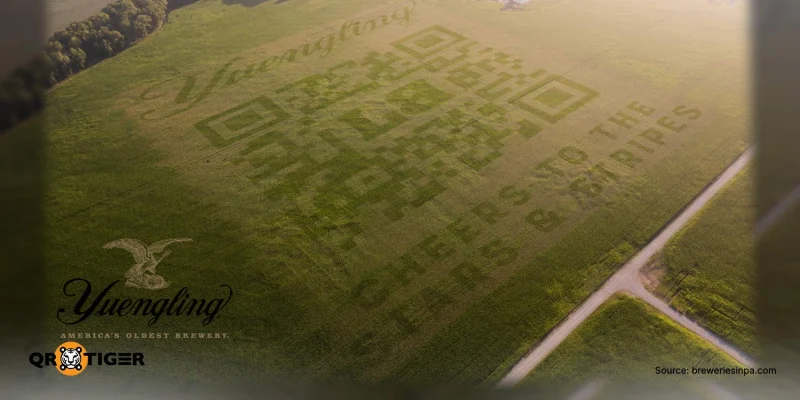
In 2022, D.G Yuengling & Son, Inc., the US's oldest brewery, unveiled the largest QR code grown directly from crops. It measured roughly a ¼ mile long and ¼ mile wide, which is about the length of 20 football fields.
The QR code itself is actually a much larger version of the one that appears on the Pottsville-based brewery’s limited-edition camouflage Lager cans, which returned to stores earlier this year in support of Yuengling’s Stars and Stripes program.
🌟 Key Takeaway: Creating a unique way to deliver a campaign, such as guerrilla tactics, encourages more curious consumers to engage with interactive digital content.
3. Hershey’s Kisses QR code (Consideration)
In collaboration with QR TIGER, Hershey’s Kisses created a special “Love Edition” product featuring a QR code on its packaging.
After scanning, users are redirected to a website where they can create a heartfelt video message. Once uploaded, they can share the Kisses with friends and family, who can scan the QR code to view the message immediately.
🌟Key Takeaway: QR codes on packaging can drive purchase consideration by turning products into meaningful digital experiences that strengthen customer engagement and brand loyalty.
4. IKEA APP QR code (Conversion)
IKEA has also begun integrating QR codes, specifically during the conversion stage, so shoppers can scan in-store QR codes (on displays, products, or at entrances) using their IKEA app to activate scanning mode.
In doing so, customers can add items to a digital shopping list as they browse, visualize products in their homes via AR, and generate a single QR code at checkout for fast, contactless payment.
🌟Key Takeaway: Creating a more convenient, personalized, and efficient shopping journey guides customers smoothly through the conversion process and, at the same time, encourages them to buy more.
5. Chips Ahoy! Stranger Things QR code (Conversion)
Chips Ahoy! Also used QR codes during its partnership with the Netflix show “Stranger Things” in 2025, with limited-edition packaging and a QR code on the wrapper.
Shoppers scanning the QR code on the packaging were then redirected to a website, where they entered their email and played an immersive mobile AR game inspired by the show.
After completing each level, participants were automatically entered into a sweepstakes to win exclusive merchandise, including branded lunchbox sets and an Eddie Munson-inspired electric guitar.
🌟Key Takeaway: Providing immediate value and excitement at the point of purchase can turn passive shoppers into active participants.
6. Jupiler Eurocup QR code campaign (Conversion)
jpg_800.jpeg "Marketing funnel jupiler QR code")
As the official sponsor of the Belgian national football team, Jupiler released special packaging featuring prominent QR codes during the Eurocup in 2024.
Scanning the code took fans directly to the Tada platform, where they could play interactive games, enter contests for high-value prizes (match tickets, behind-the-scenes experiences, and official merchandise), and engage with exclusive tournament content.
This frictionless experience turned passive shoppers into active participants at the point of purchase, tying the QR code directly to immediate rewards and entertainment.
🌟Key Takeaway: QR codes can deliver a strong purchase motivation by pairing them with urgency and feelings of FOMO (fear of missing out).
7. Recess seltzer and vacation sunscreen packaging (Loyalty)
The “Press Play to Pause Your Thoughts” campaign placed prominent QR codes on specially marked Recess cans, intentionally designed to let customers directly experience the brand’s promise of relaxation and wellness in a memorable way.
When scanned, the code launched a calming, browser-based hypercasual game in which users tap to pop animated clouds while listening to soothing ambient music from the retro online radio station Poolside.FM.
After playing, users were encouraged to enter their email to receive a 10% discount on co-branded merchandise, allowing Recess to continue nurturing leads with targeted follow-up.
🌟Key Takeaway: Smart packaging can be a powerful tool at the loyalty stage. It can deepen consumer connection by delivering an on-brand, interactive experience that encourages users to buy more products.
8. NIKE Store QR codes (All stages)
jpg_800.jpeg "Nike QR code marketing funnel")
Nike leveraged QR codes across its products, packaging, and in-store displays to powerfully influence consumers in the consideration stage of the marketing funnel.
Rather than using QR codes for simple awareness, Nike strategically deployed them on shoes and apparel, as well as in retail environments, to deliver rich, interactive experiences.
Scanning a QR code on a product could instantly provide detailed material information, customer reviews, sizing guidance, or even launch an augmented reality (AR) experience, allowing shoppers to virtually try on the item.
The QR codes also delivered personalized offers, loyalty rewards, and seamless transitions to Nike’s mobile app, making it easier for prospects to compare options and move closer to purchase.
🌟Key Takeaway: QR codes can enhance the full-funnel marketing strategy when keeping the target audience at different customer journey stages in mind.
Build your QR code campaigns with QR TIGER
QR codes can support every stage of the marketing funnel, from awareness to retention, especially when they are guided by clear objectives, well-defined actions, and reliable QR code software.
When they are in place, a simple scan becomes more than a moment of interaction; it becomes a measurable touchpoint that reveals how customers move, respond, and engage across their journey.
Create a dynamic QR code today and start building better customer experiences at every stage of the journey.
People also asked
What is the content marketing funnel?
What are common funnel mistakes?