
How to Use a Zoom QR Code to Join Meetings and Share Content
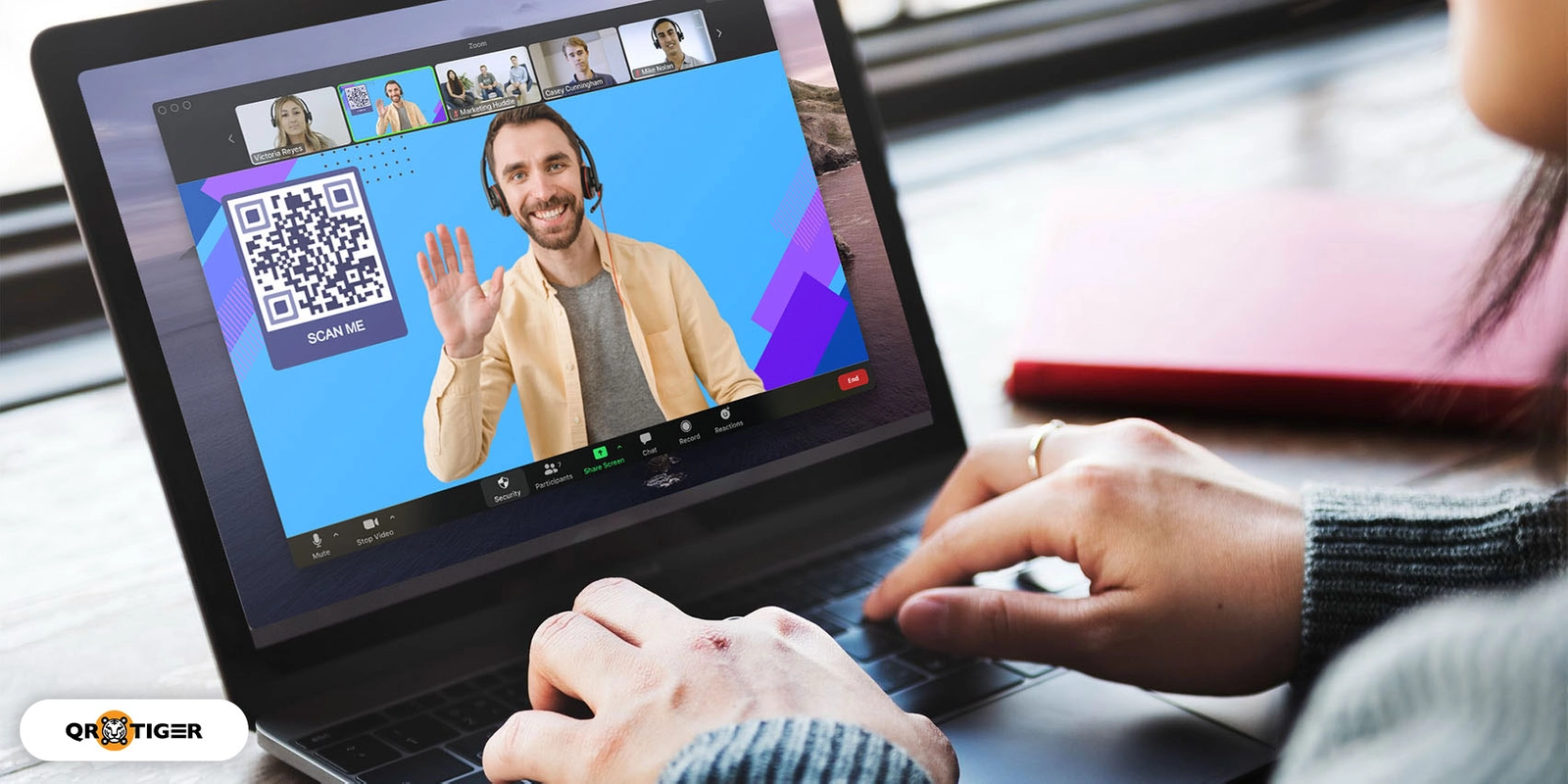
Pressed for time? Here's the short version:
|
Table of Contents
- Pressed for time? Here's the short version:
- What is a Zoom QR code?
- Can you join a Zoom meeting with a QR code?
- How do I create a QR code for my Zoom meeting?
- What you can do with a Zoom QR code
- What are the advantages of using QR codes in Zoom meetings?
- How do I add a QR code to my Zoom background?
- Is it safe to scan a Zoom QR code during a meeting?
- Enhance your Zoom calls with QR codes
- Frequently asked questions
What is a Zoom QR code?
A Zoom QR code is a unique QR code that links to a meeting scheduled on the platform.
Here's how it works: The host creates the QR code with a free QR code generator, and attendees scan it to open the Zoom meeting page or launch the Zoom app in seconds.
How is it different from a regular meeting link?
Unlike a regular meeting link, a QR code for a Zoom meeting no longer requires participants to copy and paste the invitation URL or type the meeting ID and password.
This one-scan experience is particularly helpful when the meeting invitation is displayed on a projector, presentation slide, poster, flyer, digital signage, or another screen where copying a link isn't practical.
Can you join a Zoom meeting with a QR code?
Yes, you can enter a Zoom meeting via QR code.
Scanning a QR code for Zoom lets you enter a session by automatically opening the app (if installed) or redirecting you to the mobile browser version.
What you need to scan a Zoom meeting QR code
To scan a QR code for Zoom meetings, you can use either a smartphone or a laptop.
- On smartphones, open your camera, point it at the QR code, and tap the notification or pop-up to open the link.
- On laptops, use the webcam’s barcode scanning feature (if the model supports it) or open an online QR code scanner to scan and view the Zoom meeting link.
Does it work on Android and iPhone devices?
Yes. Zoom QR codes work on both Android and iPhone devices. The latest smartphone models have built-in QR code scanners accessible through the native camera app.
Alternatively, you can use third-party QR code scanners like Google Search Lens or the QR TIGER app if the built-in QR code scanner doesn’t work.
How do I create a QR code for my Zoom meeting?
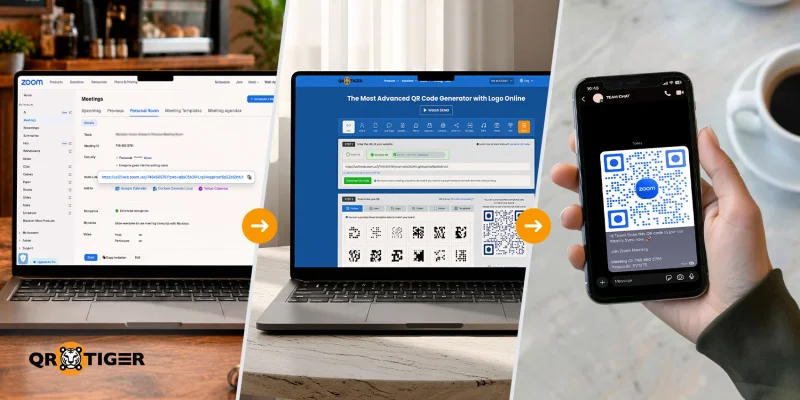
The quickest way to create a Zoom link QR code is to schedule a Zoom session first, copy the meeting link, paste it into a QR code generator, and then download the code.
Follow this guide step by step:
1. Sign in to your Zoom account and schedule a meeting.
2. Copy the invite link.
3. Open a QR code generator and select ‘URL’ or ‘link’.
4. Paste the meeting link and generate the QR code.
5. Customize the QR code.
6. Test the QR code if it directs correctly to the Zoom meeting page.
7. Select between PNG and SVG formats to download the QR code.
Share the QR code with others by placing it on posters and on social media, or by sending it via chat or email.
Did you know: Around 35% of QR code users highly trust black and white QR codes that include the brand’s logo at the center. (Source: QR TIGER)
What information is inside the QR code?
When creating a QR code from a Zoom link, the code contains only the meeting URL, as the meeting ID and password are already embedded in the link. Nothing else is needed.
What QR code generator should I use?
When creating a Zoom QR code, it's important to choose a reliable QR code platform that allows users to manage, customize, and share it.
QR code platforms like QR TIGER let you create dynamic and branded Zoom meeting QR codes that you can edit and track.
Free QR Code Generator is another user-friendly website for generating free QR codes for Zoom.
Canva’s built-in QR code generator is also a good choice for frequent users of the platform.
Should I use dynamic or static QR codes?
Static QR codes are free to create and allow users to permanently embed the Zoom meeting link directly into the code.
Meanwhile, dynamic QR codes let users update the URL even after the QR code has been downloaded or printed. They also have QR code tracking and analytics.
For one-time use, static QR codes are the easiest to use. But if you frequently hold Zoom meetings, we recommend dynamic QR codes, as they let you update links without reprinting them.
What you can do with a Zoom QR code
Zoom QR codes can do so much more than just invite attendees using a meeting link. Below is a list of effective ways QR codes can improve online classes, webinars, workshops, and training sessions in Zoom:
Share social media profiles
Allow participants to access your social profiles by placing a social media QR code in your Zoom background.
It makes it easier for them to follow you on Facebook, subscribe to Instagram, or contact you on LinkedIn after the session.
A strong social media presence, backed by a high following, can serve as social proof that you’re a trusted expert in your field or industry.
Distribute digital resources
Use a file QR code converter to quickly distribute learning materials, provide handouts, or share reports during Zoom meetings.
Attendees can scan the QR code in the Zoom call to immediately download copies of the resources and read or review them during or after the session.
It helps eliminate the hassle of sending a mass email or message to students or employees to share documents and presentations.
Grow a professional network
Adding a QR code for contact information on your Zoom wallpaper lets anyone scan it to access your digital business card and download your details.
It is a subtle yet influential way to introduce yourself, meet others in your field, and provide an overview of your skills and expertise.
Launch interactive quizzes
A study published in the National Library of Science found that a large number of participants (close to 90%) agreed that QR codes enhanced their engagement with the learning materials, making educational content more convenient, dynamic, and interactive.
You can do the same in your Zoom meetings by creating customized QR code landing pages for quizzes, puzzles, and riddles through an HTML QR code generator. Share them so attendees can scan and answer on their phones mid-session.
Whether you're teaching a class, hosting a workshop, or leading a training, adding interactive activities throughout your Zoom meeting helps maintain attention and reduces the number of passive listeners.
Collect attendee feedback
Before ending the webinar, you can display a Google Form QR code for attendees to scan to provide valuable feedback on how to help improve the webinar.
This makes it easy to gather opinions, ratings, and suggestions while the session is still fresh in participants' minds, helping your team to improve future meetings, webinars, and events.
What are the advantages of using QR codes in Zoom meetings?
Many Zoom meeting hosts are using QR code generators primarily because QR codes offer inherent convenience for engagement and networking.
Save time
With a simple scan, a large webinar audience can get instant access to resources, reports, and contact info without the hassle of typing long links or backscrolling through the chat to find the URL you’re looking for.
Did you know: A majority of QR code users scan QR codes to save time (55%) and access information (49%). Make sure your QR codes provide clear value and content that offers something tangible. (Source: QR TIGER)
Make meetings more interactive
Using QR codes makes Zoom meetings more engaging, as they require attendees to actively scan a QR code to access informative content and interact with it rather than just passively watching the host speak.
How do I add a QR code to my Zoom background?
A Zoom virtual background QR code is commonly used for sharing portfolios, social profiles, and presentations. It’s always visible behind the speakers or participants, allowing others to scan and access resources during a session.
To add QR codes to your Zoom wallpapers, you first need to create a QR code. Then, create a background design in Canva, incorporate the QR code, save the image, and upload it to Zoom. You can follow this detailed guide:
1. Generate a QR code that contains a link to your social media page, digital portfolio, or contact card. Then, download it.
2. Open Canva and sign in or create an account. Search for “Zoom Virtual Background,” choose a template, and start customizing.
3. On the left side panel, select “Uploads” and click “Upload media” to import and integrate the QR code into the design.
4. Select the “Share” button found on the upper right corner. Then, scroll down and select “Download.”
5. To upload the background in Zoom, open Zoom settings > select Video & effects > click the add (+) icon > upload the image of your virtual background.
If you want to create QR codes for Zoom directly in the design platform, read our guide on how to add a QR code in Canva designs and projects.
What is the proper size of a Zoom QR code?
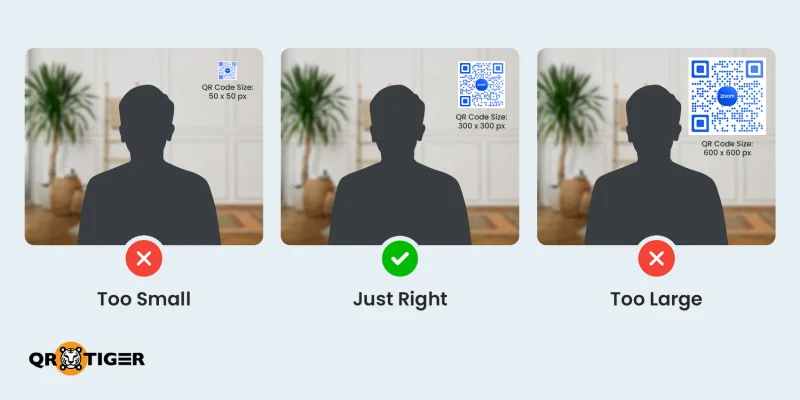
The proper QR code size for Zoom wallpapers should be at least one-fifth of the background's width.
This ensures that the code is sufficiently large for smartphone cameras to reliably focus on and scan without dominating the overall design.
How to design a custom background using Canva
To make a custom background for Zoom meetings, follow these steps:
1. Open Canva and then select the “Create” option on the left side menu panel.
2. Search and select ‘Virtual background.’
3. Start customizing your background using the elements available in the platform or upload personal graphics.
Note: Keep the center area relatively clean, as your webcam feed will cover it. Place key visuals like the QR code near the edges or corners so your face doesn’t cover them.
4. After designing, you can then export the background by clicking on the “Share” button and then “Download”. Use either PNG or JPG for the best appearance during video calls.
If you’re looking for other ways to create professionally branded Zoom backgrounds, dedicated Zoom background generators like Exclaimer let users create company-branded backgrounds with ease.
Is it safe to scan a Zoom QR code during a meeting?
It’s safe to scan a QR code during a Zoom meeting, as long as it came from a verified source.
How do I know if a QR code is trustworthy?
- Verify the source: Make sure to only scan QR codes shared by trusted presenters or event organizers. Do not scan those from random participants.
- Preview the destination: Scanning devices like smartphones and laptops show a preview of the website or URL. Always check whether the link is trustworthy by verifying it through Google or Bing to avoid compromising your data.
- Be wary of sudden requests: Avoid scanning QR codes that ask you to reveal passwords, payment details, and other sensitive information unless you have already verified that the source is legitimate.
Zoom’s official security page also offers information on its built-in security features, along with helpful advice on staying secure.
Enhance your Zoom calls with QR codes
Zoom QR codes help simplify how people join meetings and access shared resources.
Whether you're hosting webinars, virtual classrooms, hybrid events, or business presentations, they eliminate manual entry, reduce friction, and make interactions more engaging.
A reliable QR code generator can further enhance the experience for every Zoom attendee. while keeping your meetings professional and easy to access.
Frequently asked questions
Can attendees scan a QR code directly from their screen?
Yes, but not usually from the same screen displaying the QR code as it takes more effort. Attendees joining on a computer can simply scan it with their smartphone to instantly open the linked content.
Do I need a paid tool to create a Zoom QR code?
No, most QR code platforms like QR TIGER, Canva, and Free QR Code Generator allow users to create free QR codes for Zoom meetings. However, if you are looking for advanced features like editable links, tracking, and analytics, some platforms may require a paid plan in order to access them.
Can I reuse the same QR code for multiple meetings?
Yes, you can reuse the same QR code across multiple meetings, provided you use a dynamic QR code. Unlike static QR codes that permanently embed links, dynamic QR codes allow you to edit or update the zoom link even after the code has been printed.
What happens if someone can't scan the QR code?
If an attendee cannot scan the QR code, they can still access the Zoom meeting by pasting the link into their browser or entering the Zoom meeting ID and password in the app.
Can I track how many people scanned my Zoom QR code?
Yes, if you're using a dynamic QR code. It provides scan analytics, such as the total number of scans, scan locations, device types, and more, enabling businesses and event organizers to measure engagement and understand how attendees access their Zoom meetings.