
Virtual Queue QR Code Eases Adoption Visits at Animal Foundation
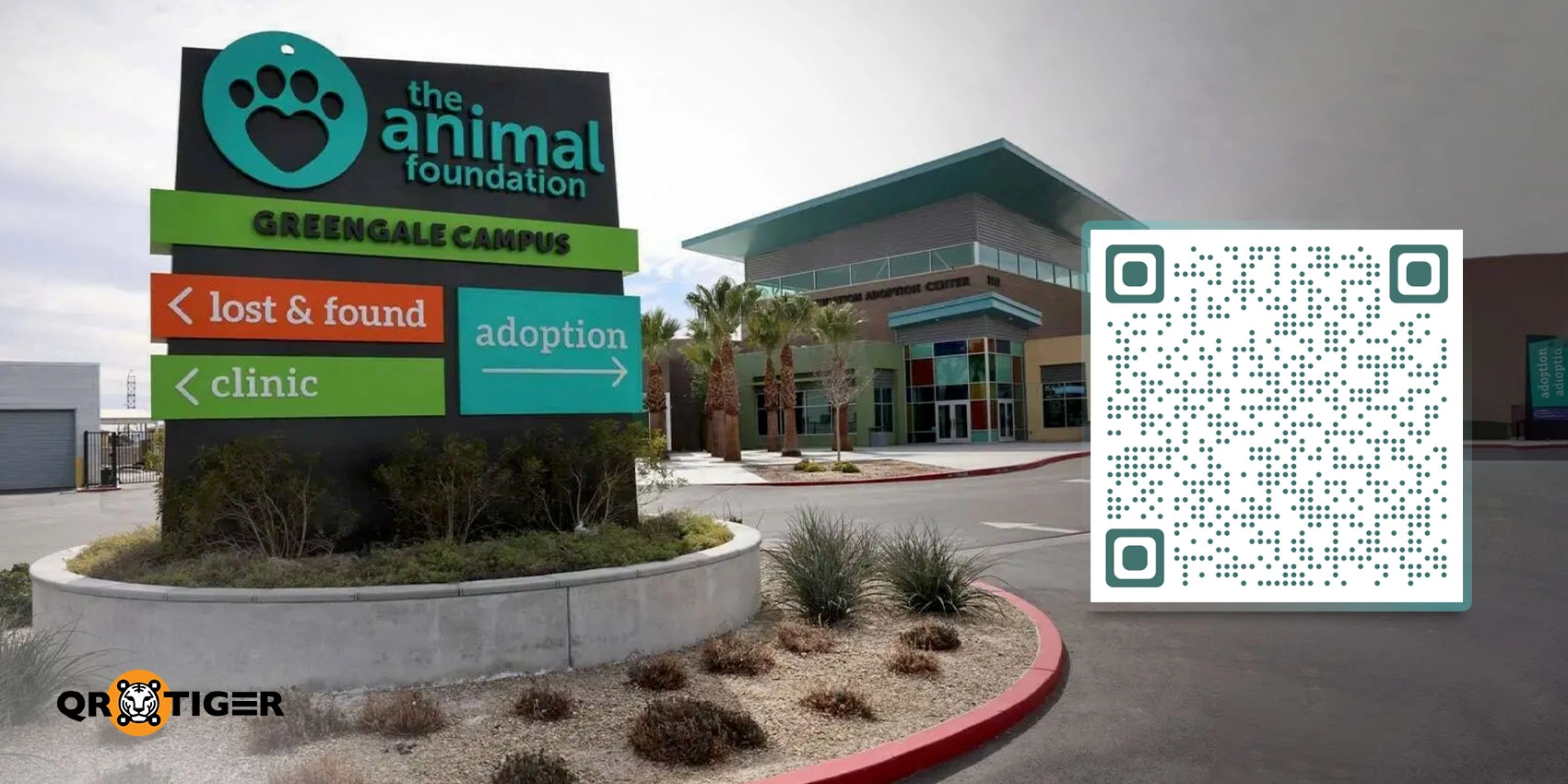
The Animal Foundation in Las Vegas rolled out a QR code virtual queue system that replaces its physical adoption line, giving potential adopters a fair, organized way to visit animals without waiting outside for hours.
The QR code technology lets visitors join a digital waiting list, track their place in line, and pull up animal information on the spot.
CEO Hilarie Grey introduced the online queue system to bring structure and transparency to a process people genuinely care about.
The foundation covers the Las Vegas area, specifically Clark County and the City of North Las Vegas, taking in close to 29,000 animals a year and completing up to 60 adoptions daily.
Table of Contents
What the QR code virtual queue actually does
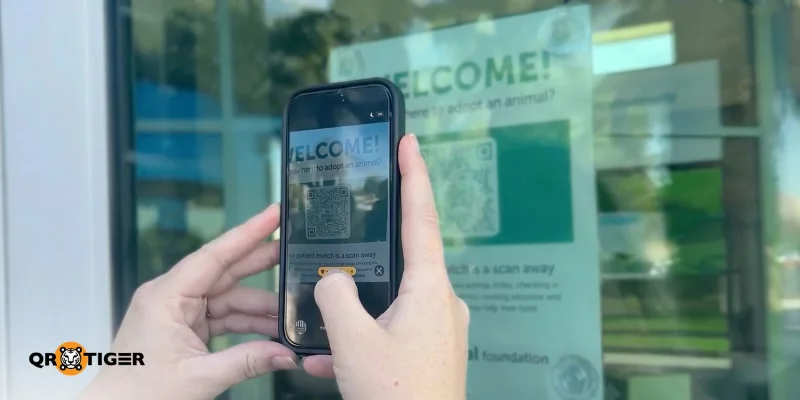
Scan the QR code at the front door before The Animal Foundation opens and join a virtual queue. No physical line, no jostling, no sleeping outside the building.
"You can walk right up to the door and you can scan that QR code and add yourself to the queue," Grey told FOX5 Las Vegas.
Staff at the adoption lobby desk assist visitors who need help signing in. Status monitors placed throughout the facility show your position in real time.
The QR code queue management system also shows whether another visitor is already spending time with the animal you want to meet.
QR codes like this can be made with QR code generator software. This enables organizations to deploy scannable codes across physical locations with minimal setup.
Grey pointed out that visitors entering the adoption lobby will find no physical lines with the QR code in place.
Each kennel has its own QR code
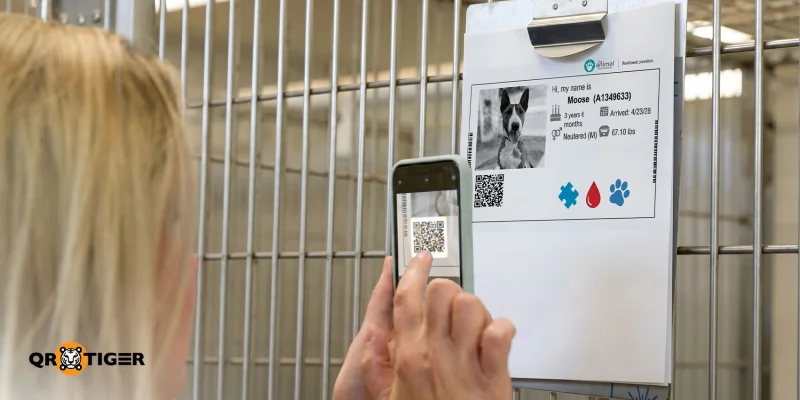
The Animal Foundation QR code adoption system does not stop at the front door.
Each animal has a kennel QR code that visitors and potential adopters can scan to see the animal's age, background, and history before requesting a meet-and-greet.
One visitor, Malaya Houghton, came to the shelter looking for a specific cat she had seen online. She left with a different one entirely.
"I went ahead and scanned the QR code, learned a little bit more about the cat,” Houghton told FOX5. That small detail was enough to finally decide to adopt the cat and take it home.
The foundation backs every adoption with a 30-day live support period to help new pet owners and the animals adjust.
Adoption bottleneck prompts shift to digital queueing tech
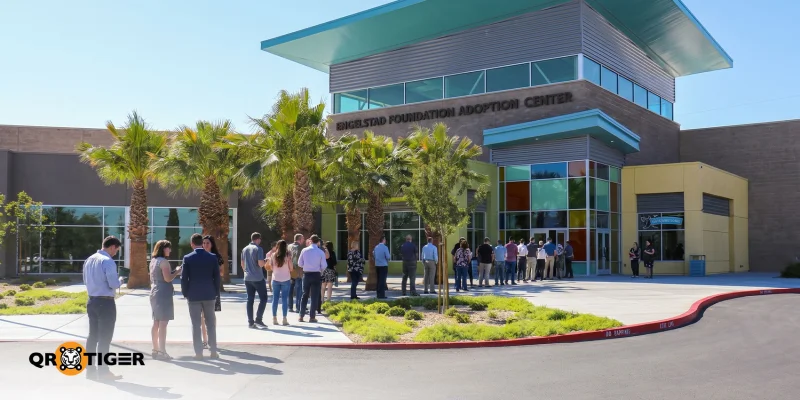
The Animal Foundation's old process ran on a first-come, first-served basis. People would show up before sunrise. Some camped outside the building entirely.
Grey pointed to one particular situation: a French Bulldog hoarding case a few years back that drew enormous public interest.
When word spread about the dogs becoming available for adoption, people began lining up at 3 and 4 in the morning. They waited for hours with no clear sense of their chances.
The virtual queue QR code removes the uncertainty for both adopters and staff.
As for the organization, using a QR code for nonprofit endeavors makes practical sense, with a low setup cost and high operational return.
Other shelters are taking the same steps
Grey confirmed the customer service model behind this queue QR code system is being shared with shelters across the United States.
The Animal Foundation's approach shows how QR codes perform in settings where volume is high, and the stakes are personal.
A scan at the door replaces hours of waiting, and a code on a kennel gives adopters the information they need before a single conversation starts.
Public service organizations are beginning to treat QR codes as a core operational tool, extending their use well beyond payments and marketing.
We help non-profit organizations get started with their QR code journey smoothly. To learn more, contact us at [email protected].