
क्यूआर कोड मार्केटिंग फनल स्ट्रैटेजीज़: हर स्टेज पर परिणाम लाने के लिए ड्राइव करें
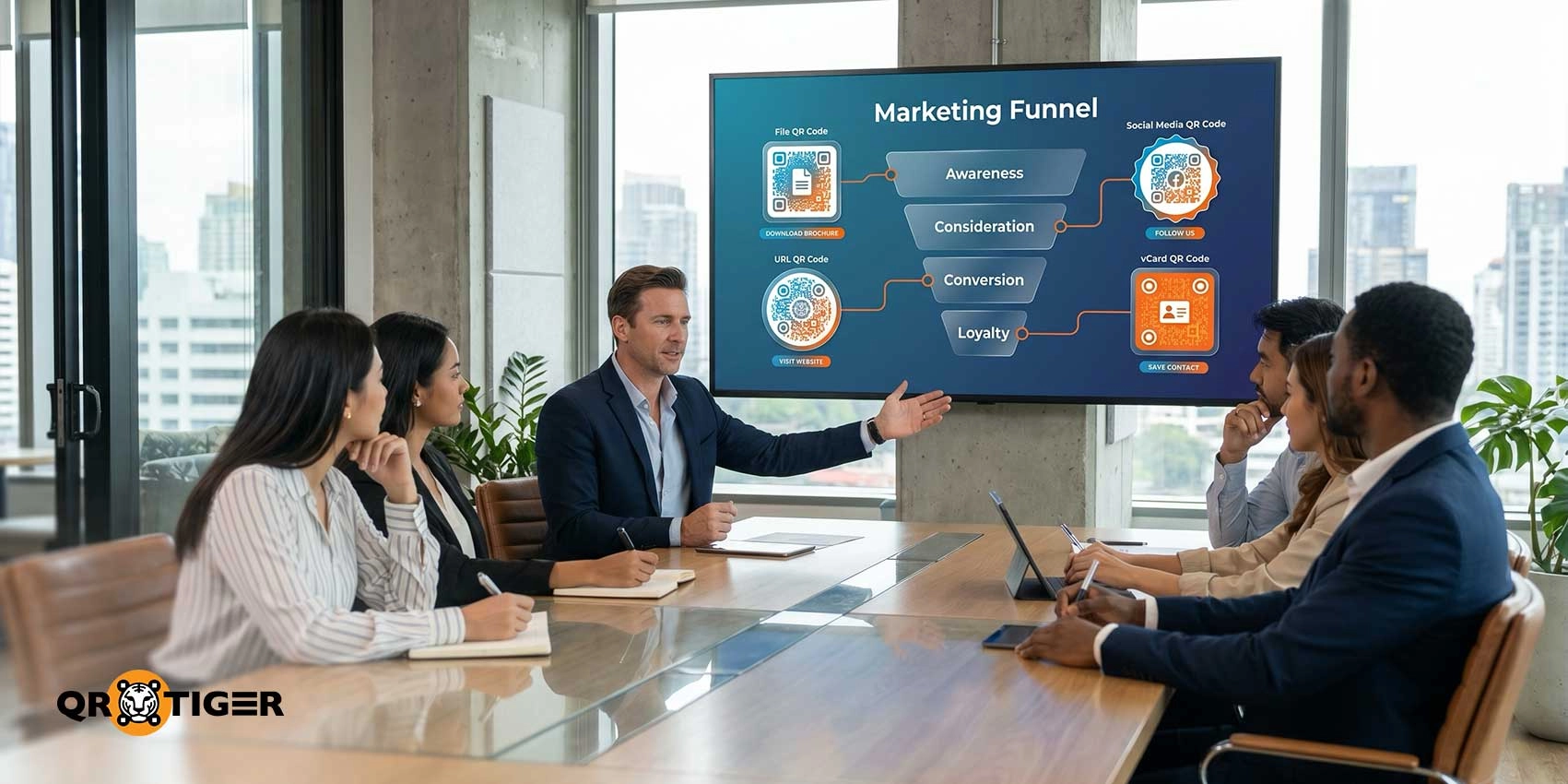
एक मार्केटिंग फनल एक फ्रेमवर्क है जो ग्राहक की यात्रा को मैप करता है, जो आपके ब्रांड की खोज से शुरू होकर खरीदारी करने और अंततः एक वफादार प्रचारक बनने तक जाती है।
एक मजबूत मार्केटिंग फनल स्ट्रैटेजी के साथ, ब्रांड ग्राहक अनुभवों में सुधार कर सकते हैं, कन्वर्जन बढ़ा सकते हैं, और केवल एक बार की बिक्री पर ही ध्यान केंद्रित करने की बजाय मजबूत दीर्घकालिक संबंध बना सकते हैं।
क्यूआर कोड्स फनल मार्केटिंग में प्रभावी होते हैं क्योंकि वे सही दर्शकों को आकर्षित करने में मदद कर सकते हैं, विश्वास बनाने में मदद कर सकते हैं, खरीदारी की यात्राओं को सरल बना सकते हैं, और प्रत्येक इंटरैक्शन के प्रत्येक बिंदु पर समय पर सामग्री पहुंचा सकते हैं।
वे डेटा ट्रैकिंग का समर्थन भी करते हैं, खासकर डायनामिक क्यूआर कोड्स, जो आपको स्पष्ट तस्वीर प्रदान करते हैं कि जनसमूह विभिन्न एंगेजमेंट स्तरों पर कैसे व्यवहार करता है और फनल गतिविधियों के वास्तविक समय में अनुकूलन की संभावना देते हैं।
हम आपको हर कदम पर मार्गदर्शन करेंगे कि QR कोड को प्रभावी ढंग से कैसे उपयोग करें ताकि ग्राहक की यात्रा के हर स्तर पर सही अनुभव प्रदान किया जा सके।
सामग्री सूची
- मुख्य डेटा हाइलाइट्स
- अपने मार्केटिंग फनल रणनीतियों में क्यूआर कोड का उपयोग कैसे करें
- विजुअलाइज़र: मार्केटिंग फनल के अनुसार क्यूआर कोड्स
- मार्केटिंग फनल रणनीतियों में QR कोड का उपयोग करने के लाभ
- कैसे QR कोड के माध्यम से अपने फनल मार्केटिंग उपायों का ट्रैकिंग करें
- क्यूआर कोड आधारित फनल मार्केटिंग के लिए रणनीतियाँ
- विभिन्न फनल स्टेजों पर ब्रांड्स कैसे क्यूआर कोड का उपयोग करते हैं
- अपनी क्यूआर कोड अभियान को क्यूआर टाइगर के साथ बनाएं
- लोगों ने भी पूछा
मुख्य डेटा हाइलाइट्स
|
अपने मार्केटिंग फनल रणनीतियों में क्यूआर कोड का उपयोग कैसे करें
आपकी पूर्ण फनेल मार्केटिंग रणनीति में QR कोड का उपयोग करने के कई तरीके हैं। वे पारंपरिक और डिजिटल मार्केटिंग चैनल दोनों पर काम करते हैं, जिससे वे कई व्यापारों के लिए ओम्नीचैनल अभियानों के लिए एक मूल्यवान उपकरण बनाते हैं।
यहाँ कुछ QR कोड रणनीतियाँ हैं जिन्हें विभिन्न मार्केटिंग फनल चरणों पर लागू किया जा सकता है:
जागरूकता स्तर (टॉप ऑफ फनल)।
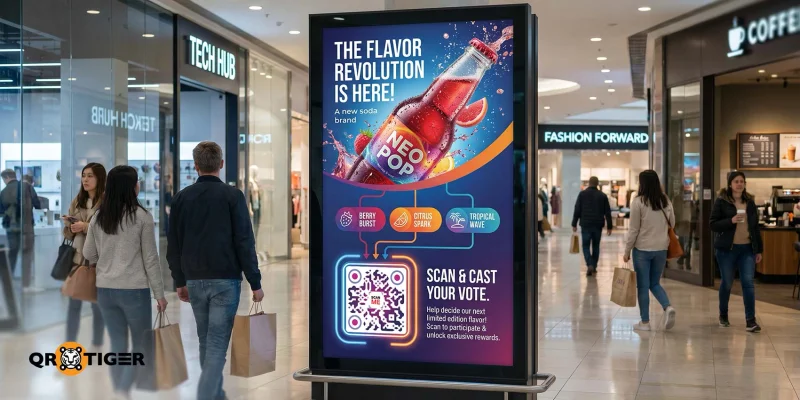
जागरूकता स्थिति वह स्थिति है जहाँ लोग पहली बार आपके ब्रांड, उत्पाद, या सेवा की खोज करते हैं। मुख्य लक्ष्य एक ब्रांड के दर्शकों की जागरूकता बढ़ाना है और उन्हें इसमें रुचि लेने के लिए प्रोत्साहित करना है।
शीर्ष फनल मार्केटिंग की कुंजी दिखाई और व्याप्ति पर ध्यान केंद्रित करना है, सीधे बिक्री की बजाय।
क्यूआर कोड रणनीति:
आप QR कोड का उपयोग कर सकते हैं ताकि दर्शक को उस सामग्री की ओर पहुंचाया जा सके जो ध्यान तेजी से आकर्षित करती है और आपके ब्रांड के साथ एंगेजमेंट को बढ़ाती है, जैसे प्रचार वीडियो, शॉर्ट-फॉर्म वीडियो, सोशल मीडिया प्रतियोगिताएं, और इंटरैक्टिव अनुभव (जैसे, वृद्धि वास्तविकता (AR))।
उनकी दृश्यता बढ़ाने के लिए, QR कोड को इस तरह रखें:
- मुद्रित सामग्री पोस्टर, पैकेजिंग, फ्लायर्स, और बिलबोर्ड जो उपयोगकर्ताओं को डिजिटल अनुभवों पर पहुंचाते हैं।
- इवेंट मार्केटिंग और सक्रियण बूथ, पॉप-अप्स, और अनुभवात्मक अभियान जो भौतिक ब्रांड भेंट सृजित करते हैं।
- आउट-ऑफ-होम (OOH) विज्ञापन बिलबोर्ड, परिवहन विज्ञापन, और सड़क स्थापनाएँ उच्च प्रकाशन के लिए डिज़ाइन की गई हैं।
विचार स्तर (MOFU)
पर्यावरण चरण में, संभावित ग्राहक उत्पादों की तुलना करते हैं और खरीदारी करने से पहले आपके ब्रांड के बारे में विश्वसनीय जानकारी खोजते हैं। यह जागरूकता चरण के तुरंत बाद हो सकता है।
अपनी मध्य-फनल मार्केटिंग रणनीति के लिए, आपको संभावित ग्राहकों को आपके उत्पादों या सेवाओं का मूल्यांकन करने में मदद करने पर ध्यान केंद्रित करना होगा। पर्याप्त विश्वास बनाएं अन्य विकल्पों के मुकाबले अपने ब्रांड को पसंद करना।
क्यूआर कोड रणनीति:
क्यूआर कोड का उपयोग करें ताकि विस्तृत जानकारी तक तुरंत पहुंच सके जो खरीदने के निर्णय पर प्रभाव डाल सकती है, जैसे:
- उत्पाद जानकारी पृष्ठ
- हाउ-टू वीडियो और प्रदर्शन
- डिजिटल कैटलॉग
- केस स्टडीज, प्रेस विज्ञप्तियाँ, और तुलना ब्लॉग्स
- ग्राहक साक्षात्कार और समीक्षाएँ
- सततता और स्रोत सूचना
के अनुसार क्यूआर टाइगर उद्योग रिपोर्ट के अनुसार, 49% से अधिक QR कोड उपयोगकर्ता सूचना और उपयोगी, विशेष सामग्री तक पहुँचने के लिए QR कोड स्कैन करना पसंद करते हैं।
QR कोड सबसे अच्छे तरीके से काम करते हैं जहां ग्राहक जिज्ञासा से मूल्यांकन की दिशा में हैं, जैसे कि उत्पाद पैकेजिंग और लेबल, खुदरा शेल्फ प्रदर्शन, डेमो स्टेशन, या मुद्रित हैंडआउट्स।
एक विशेष याद दिलाने के लिए केवल अत्यधिक प्रवर्तन से बचें। इस चरण में, लोग अभी भी पुष्टि की आवश्यकता है, दबाव नहीं। बहुत जल्दी खरीदारी के लिए दबाव डालना प्रतिरोध उत्पन्न कर सकता है।
परिवर्तन स्तर (BOFU)
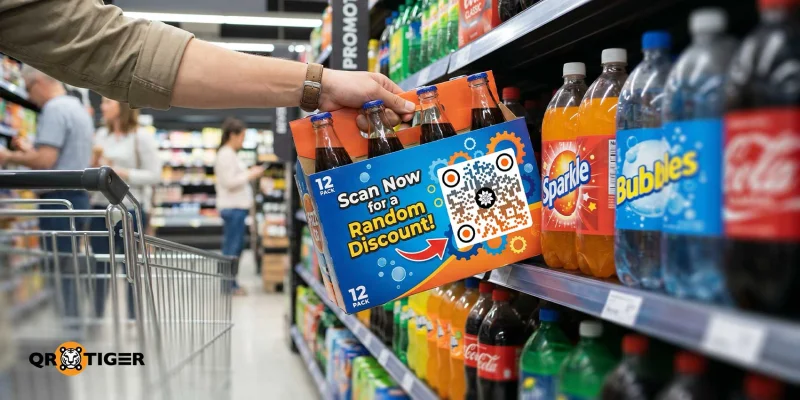
अनुरोधकर्ता एक खरीदार बन जाते हैं जब वे एक खरीदारी पूरी करके, सेवा की बुकिंग करके, योजना की सदस्यता लेकर, या किसी अन्य चाहित क्रिया को करके
इस स्तिथि पर आपको ध्यान केंद्रित करने की आवश्यकता है कि इरादे और क्रिया के बीच शेष किसी भी बाधा को हटा दें और उसी समय, निर्णय के समय पर आत्मविश्वास को मजबूत करें।
यहाँ QR कोड काम करते हैं। हमारे अनुसंधान के अनुसार, लगभग 55% उपयोगकर्ता समय बचाने के लिए उन्हें स्कैन करना पसंद करते हैं।
क्यूआर कोड रणनीति:
जब ग्राहक पहले से खरीदने के लिए तैयार होते हैं, तो QR कोड का उपयोग करें और सीधे उन्हें ले जाएं:
- चेकआउट पेज्स
- मोबाइल भुगतान विकल्प या डिजिटल वॉलेट्स
- पूर्व-भरी गई फॉर्म अपॉइंटमेंट, परामर्श या सब्सक्रिप्शन के लिए
- छूट, प्रोमो बंडल, या मुफ्त शिपिंग
यह निर्णय घर्षण को कम करता है और खरीदारी के मार्ग को संक्षिप्त करता है, समग्र ग्राहक अनुभव में सुधार करता है और आपके बिक्री फनल को अधिक प्रभावी बनाता है।
लॉयल्टी स्टेज (पोस्ट कन्वर्शन)
ग्राहक की यात्रा खरीद के बाद समाप्त नहीं होती है। विपणन का दीर्घकालिक मूल्य ग्राहकों को बनाए रखने, दोहरी खरीदारी को प्रोत्साहित करने, और संतुष्ट खरीदारों को ब्रांड प्रचारक बनाने से आता है।
इसके अतिरिक्त, HubSpot के अनुसार, ग्राहकों को प्राप्त करना पांच गुना महंगा मौजूदा ग्राहकों को बनाए रखने की बजाय, रखने को और भी लागत-कुशल बनाना।
अपनी वफादारी रणनीति का समर्थन करने के लिए, QR कोड का उपयोग करें:
- सदस्यता पुरस्कार
- रेफरल प्रोग्राम
- विशेष सामग्री
- उत्पाद की देखभाल निर्देश
- व्यक्तिगत सिफारिशें के माध्यम से स्मार्ट यूआरएल क्यूआर कोड
- समुदाय बातचीत अभियान
- सीधी ग्राहक सहायता
ब्रांड्स का प्रयोग करते हैं क्यूआर कोड वफादारी कार्यक्रम अपने ग्राहकों को पुरस्कार, विशेष सामग्री, व्यक्तिगत अनुभव, और अन्य लाभ प्रदान करने के लिए।
अपने ग्राहकों को पुरस्कृत करना उन्हें मूल्यवान महसूस कराने का एक सरल तरीका है, बस उन्हें केवल "भुगतान करने वाले" उपभोक्ताओं के रूप में नहीं देखना।
विजुअलाइज़र: मार्केटिंग फनल के अनुसार क्यूआर कोड्स
यह तालिका दिखाता है कि क्यूआर कोड किस प्रकार से विभिन्न फनल स्टेजों पर लक्ष्य प्राप्त करने में मदद करते हैं।
| फनल स्टेजेस | लक्ष्य | क्यूआर कोड का उपयोग | परिणाम |
| जागरूकता और रुचि | ध्यान आकर्षित करें और ब्रांड का परिचय दें | पोस्टर्स, विज्ञापन, पैकेजिंग, इवेंट्स, और आउटडोर मीडिया पर QR कोड्स जो लैंडिंग पेज़, वीडियो, या ब्रांड सामग्री से जुड़े होते हैं | बढ़ी हुई पहुंच, ट्रैफिक, व्याप्ति, सामग्री उपभोग, और ब्रांड परिचय |
| विचार | सहायता करें उपयोगकर्ताओं को विकल्पों का मूल्यांकन करने और विश्वास बनाने में | QR कोड जो समीक्षाएँ, प्रशंसापत्र, तुलनाएँ, सामान्य पूछे जाने वाले प्रश्न और मामले की जानकारी से जुड़े हों। | मजबूत इरादा, कम हिचकिचाहट, बेहतर-योग्य लीड्स |
| परिवर्तन | क्रियाओं और खरीदारी को बढ़ावा दें | क्यूआर कोड जो चेकआउट पेज पर दिशा-निर्देशित हों, और बुकिंग फॉर्म्स | उच्च परिवर्तन दरें, तेज निर्णय लेना |
| निष्ठा और प्रशंसा | ग्राहकों को बनाए रखें और बार-बार एंगेजमेंट को प्रोत्साहित करें | लॉयल्टी कार्ड के लिए क्यूआर कोड, विशेष सामग्री, संदर्भ पुरस्कार, और खरीद के बाद समर्थन | बढ़ी हुई रिटेंशन, दोहरी खरीदारी, और ब्रांड प्रचार |
मार्केटिंग फनल रणनीतियों में QR कोड का उपयोग करने के लाभ
जब आप अपने ब्रांड के लिए एक संभावित मार्केटिंग फनल स्ट्रैटेजी बनाने की बात करते हैं, QR कोड आपकी मदद कर सकते हैं निम्नलिखित तरीकों में:
- बेहतर प्रोशंसन डायनामिक क्यूआर कोड्स विपणनकारों को त्वरित, सरल अभियान प्रदर्शन मैट्रिक्स प्रदान कर सकते हैं, जिससे आरओआई को मापन और पहचानना आसान हो जाता है और पता चलता है कि कौन से विपणन चैनल सबसे अच्छे परिणाम देते हैं।
- ओम्नीचैनल ग्राहक यात्रा QR कोड्स मदद कर सकते हैं शारीरिक और डिजिटल अनुभव को जोड़ने में, प्रिंट विज्ञापन, उत्पाद पैकेजिंग, खुदरा प्रदर्शन, इवेंट्स, और अन्य ऑफलाइन टचपॉइंट्स को ऑनलाइन सामग्री और क्रियाओं से जोड़ने में।
- बढ़ी हुई भागीदारी स्थिर वेबपेज पर ग्राहकों को निर्देशित करने की बजाय, क्यूआर कोड इंटरैक्टिव सामग्री जैसे उत्पाद वीडियो, ट्यूटोरियल और अधिक प्रदान कर सकते हैं, जो गहरी व्यावसायिकता को प्रोत्साहित करता है।
- कम कन्वर्शन घर्षण QR कोड ग्राहकों को उत्पाद पृष्ठ, चेकआउट फ्लो, भुगतान पोर्टल, बुकिंग सिस्टम या ऐप डाउनलोड पर सीधे ले जाकर अनावश्यक चरणों को समाप्त करते हैं, जिससे परिणाम स्थापित दरें बढ़ सकती हैं।
- बेहतर ग्राहक रिटेंशन खरीदारी के बाद, क्यूआर कोड उपभोक्ताओं को वफादारी कार्यक्रम, व्यक्तिगत पुरस्कार, उत्पाद समर्थन, और प्रतिक्रिया संग्रह से जोड़ सकते हैं, जो दोहरी खरीदारी और मजबूत ग्राहक संबंधों को प्रोत्साहित करता है।
- वास्तविक समय में अभियान अनुकूलन डायनामिक क्यूआर कोड के साथ, स्थानों को पुनर्मुद्रित किए बिना अपडेट किया जा सकता है, और विपणनकार वास्तविक समय प्रदर्शन डेटा के आधार पर जल्दी से लैंडिंग पेज, प्रचार, संदेशन और अभियानों को संशोधित कर सकते हैं।
इन क्षमताओं के साथ, QR कोड्स एक मूल्यवान उपकरण बनाते हैं जो मापनीय, डेटा-निर्देशित मार्केटिंग फनल्स के लिए एक महत्वपूर्ण साधन हैं जो बेहतर ग्राहक अनुभव प्रदान करते हैं। 
कैसे QR कोड के माध्यम से अपने फनल मार्केटिंग तकनीकों का ट्रैक करें
जब आपके क्यूआर कोड अभियान सक्रिय हो जाते हैं, तो आपको प्रत्याशी इंटरेक्शन को कैसे ट्रैक करके देखना होगा कि प्रत्येक चरण पर ग्राहकों के संवाद कैसे लीड, बिक्री और दोहरी व्यापार को बढ़ावा देते हैं।
आपके QR कोड आधारित अभियानों को मॉनिटर करने के लिए विभिन्न तरीके हैं जो पारंपरिक और डिजिटल मार्केटिंग फनल्स दोनों के लिए काम करते हैं।
गतिशील क्यूआर कोड जेनरेटर
डायनामिक क्यूआर कोड्स विपणन टीम को जनसम्पर्क पर रुचि और आकर्षण को मापने की संभावना प्रदान करते हैं। क्यूआर कोड विश्लेषण मापने की मुख्य मापदंड जैसे:
- स्कैन गिनती (अद्वितीय और कुल) माप अभियान की पहुंच और व्यापकता अक्षमता। अद्वितीय स्कैन दिखाते हैं कि आपके अभियान के साथ कितने व्यक्तिगत उपयोगकर्ता संवाद करते हैं, जबकि कुल स्कैन पुनरावृत्ति संवाद को दिखाते हैं।
- स्कैन समय आपकी दर्शक सबसे अधिक प्रतिक्रियाशील होते हैं यह पहचानने में मदद करता है। दिन, सप्ताह, महीना या वर्ष के स्कैन का विश्लेषण करके, आप प्रोमोशन लॉन्च करने के लिए सर्वोत्तम समय या भविष्य के अभियानों की अधिकतम भागीदारी के लिए समय निर्धारित कर सकते हैं।
- उपकरण प्रकार दिखाता है कि आपके दर्शक सबसे अधिक कौन से उपकरण का उपयोग करते हैं। यह सुनिश्चित करने में मदद करता है कि आपके लैंडिंग पेज, फॉर्म, और डिजिटल अनुभव उन उपकरणों के लिए अनुकूलित हैं जो सबसे अधिक स्कैन उत्पन्न करते हैं।
- शीर्ष स्थान प्रकट करता है कि कौन से भूगोलिक क्षेत्र सबसे अधिक एनगेजमेंट उत्पन्न करते हैं। आप इस जानकारी का उपयोग क्षेत्रीय अभियानों के प्रदर्शन का मूल्यांकन करने, उच्च प्रदर्शन वाले बाजारों की पहचान करने और विज्ञापन बजट को अधिक प्रभावी ढंग से आवंटित करने के लिए इस जानकारी का उपयोग कर सकते हैं।
- स्थान (जीपीएस) स्कैन करें जहाँ और कब इंटरैक्शन हो रहा है, उसमें विस्तार से पता चलता है। यह पैर ट्रैफिक को मापने में मदद कर सकता है, विशेष स्थानों की प्रभावकारिता का मूल्यांकन कर सकता है, और विभिन्न स्थानों पर ग्राहक व्यवहार को समझने में मदद कर सकता है।
ये मैट्रिक्स महत्वपूर्ण मार्केटिंग सवालों का जवाब देने में मदद करते हैं, जैसे: कितने लोग जुड़े? उन्होंने कब जुड़ा? वे कहाँ जुड़े? उन्होंने कौन से डिवाइस का उपयोग किया?
उत्तर आपको लक्षित करने में सुधार करने, ग्राहक अनुभव में सुधार करने और भविष्य के अभियानों के लिए डेटा द्वारा निर्णय लेने में मदद करते हैं।
गूगल विश्लेषिकी (GA4)
आप कर सकते हैं Google एनालिटिक्स के साथ QR कोड को ट्रैक करें। जांच के परे और व्यापक ट्रैकिंग सक्षम करने के लिए।
Google विश्लेषण आपको समझने में मदद करता है कि उपयोगकर्ता आपकी वेबसाइट या लैंडिंग पेज तक पहुंचने के बाद क्या करते हैं और यह दिखाता है कि वह ट्रैफिक आपके मार्केटिंग उद्देश्यों में कैसे योगदान देता है। जब QR कोड URL में UTM पैरामीटर शामिल होते हैं, तो आप व्यक्तिगत अभियानों को अलग करके तुलना कर सकते हैं।
कुछ मुख्य मैट्रिक्स और अंतर्दृष्टि जिनका आप उपयोग कर सकते हैं:
- ट्रैफिक प्राप्ति उपयोगकर्ताओं और नए उपयोगकर्ताओं, सत्र, जुड़े हुए सत्र, और ट्रैफिक स्रोत और माध्यम (यूटीएम पैरामीटर के माध्यम से) जैसे डेटा का विस्तार से विवरण प्रदान करके आपके क्यूआर कोड अभियान द्वारा कितना ट्रैफिक उत्पन्न होता है, दिखाता है।
- व्यापक मापदंड सहायता करेगा जानने में कि क्या आगंतुक QR कोड के माध्यम से पहुंचे सामग्री में मूल्य मिल रहा है, जिसके लिए संलग्नता दर, औसत संलग्नता समय, और प्रति सत्र में देखे गए पृष्ठों पर डेटा प्रदान करके।
- परिवर्तन मैट्रिक्स विशेष क्रिया कर रहे आगंतुकों की संख्या को विश्लेषित करें, जैसे कि फॉर्म सबमिशन, न्यूजलेटर साइनअप, खाता पंजीकरण, खरीदारी और राजस्व, या डाउनलोड और बटन क्लिक।
Google Analytics की मदद से आप बेहतर समझेंगे कि क्या QR कोड इंटरैक्शन से मतलबपूर्ण व्यापारिक परिणाम उत्पन्न हुए हैं, जैसे लीड्स, साइन-अप्स या बिक्री।
आप यह भी पढ़ सकते हैं: यूटीएम यूआरएल क्यूआर कोड के साथ अपनी अभियान को कैसे ट्रैक करें
सोशल मीडिया विश्लेषण
क्यूआर कोड मैट्रिक्स के साथ, आप सोशल मीडिया प्लेटफॉर्म पर उपलब्ध इन-बिल्ट एनालिटिक्स टूल का उपयोग करके कैंपेन प्रदर्शन में गहरी अनुभूति प्राप्त कर सकते हैं।
जैसे Facebook, Instagram, और YouTube जैसे प्लेटफ़ॉर्म रीच, व्यूज़, एंगेजमेंट, और दर्शक व्यवहार पर डेटा प्रदान करते हैं, जिसमें आयु और लिंग जैसी जनसांख्यिकी और फॉलोअर्स सबसे अधिक सक्रिय होते हैं के समय भी शामिल हैं।
सीधे विज्ञापन प्लेटफ़ॉर्म
गूगल और मेटा विज्ञापन दोनों विपणकारों को उनके प्लेटफ़ॉर्मों पर (फेसबुक, यूट्यूब, इंस्टाग्राम, गूगल सर्च, आदि) सीधे विज्ञापन लगाने और अंतर्दृष्टि और रिपोर्टिंग उपकरणों के माध्यम से प्रदर्शन का मॉनिटरिंग करने की अनुमति देते हैं।
जब आप QR कोड रीटार्गेटिंग को सक्षम करते हैं, तो कोड स्कैन करने वाले उपयोगकर्ताओं से इन विज्ञापन प्लेटफॉर्मों में संवाद समाहित किए जाते हैं, जिससे आपको रिमार्केटिंग दर्शकों का निर्माण करने और मापन करने की अनुमति मिलती है कि वे उपयोगकर्ता किस प्रकार से आगे के विज्ञापनों के साथ संलग्न होते हैं।
एनालिटिक्स और योग्यता सॉफ़्टवेयर
अधिकांश QR कोड प्लेटफ़ॉर्म्स CRM प्लेटफ़ॉर्म के साथ एकीकरण समर्थन करते हैं। हबस्पॉट और सेल्सफोर्स।
इन प्रकार के सॉफ़्टवेयर ग्राहक इंटरैक्शन को ट्रैक करने में मदद करते हैं और बिक्री पाइपलाइन को प्रबंधित करने में सेवा करते हैं जिसके रूप में बिक्री और मार्केटिंग टीमों के लिए सेंट्रलाइज़्ड हब के रूप में काम करते हैं ताकि सभी अभियान मैट्रिक्स और जानकारी तक पहुँच सकें।
आप यह भी पढ़ सकते हैं:
हबस्पॉट क्यूआर कोड लीड कैप्चर सेटअप कैसे करें स्टेप बाय स्टेप
हबस्पॉट क्यूआर कोड ट्रैकिंग एट्रिब्यूशन कैसे सेट करें
क्यूआर कोड आधारित फनल मार्केटिंग के लिए रणनीतियाँ
- स्पष्ट प्रचार उद्देश्य सेट करें। प्रत्येक क्यूआर कोड का उद्देश्य ग्राहक की यात्रा के साथ मेल खाना चाहिए, चाहे जागरूकता बढ़ाना हो, एंगेजमेंट को प्रोत्साहित करना हो, या कन्वर्जन को बढ़ाना हो।
- डायनामिक क्यूआर कोड का उपयोग करें: वे आपको स्थलों को अपडेट करने, व्यापकता का ट्रैक करने और निश्चित विषय सामग्री पहुंचाने की अनुमति देते हैं बिना मुद्रित QR कोड बदले।
- भूमिका अनुभव को व्यक्तिगत बनाएं: लोग अधिक संभावना से महसूस करेंगे कि पृष्ठ उसे वही मिला है जिसकी वे खोज रहे थे जब आप सामग्री पृष्ठों को अनुकूलित करते हैं।
- परिवर्तन से पहले मूल्य प्रदान करें। प्रेरित करें स्कैन करने के लिए उपयोगी सामग्री, विशेष अनुभव, डिस्काउंट या वफादारी लाभ।
- विज्ञापन के साथ लक्ष्य दर्शक को फिर से निशाना बनाएं। क्यूआर कोड पुनर्निर्देशन वे लोगों को फिर से जो इंटरेस्ट दिखा चुके हैं को फिर से जोड़ते हैं और उन्हें उनके लिए तैयार किए गए विज्ञापनों के माध्यम से परिवर्तन की दिशा में मार्गदर्शन करते हैं।
विभिन्न फनल स्टेजों पर ब्रांड्स कैसे क्यूआर कोड का उपयोग करते हैं
पेप्सी का बैड बनी क्यूआर कोड (जागरूकता)
2023 में अपनी "प्रेस प्ले ऑन समर" पहल के तहत, पेप्सी ने एक मुख्य ग्रीष्मकालीन अभियान शुरू किया जिसमें बैड बनी और सीमित संस्करण वाली बोतलों पर QR कोड्स शामिल किए गए थे ताकि उपभोक्ताओं के बीच मजबूत ब्रांड जागरूकता बढ़ाई जा सके।
इन विशेष चिह्नित पेप्सी बोतलों पर प्रमुख QR कोड हैं जिन्होंने तीन महीने के लिए मुफ्त Apple Music को अनलॉक किया, साथ ही Apple Music Live इवेंट्स के टिकट, Beats हेडफोन और पेप्सी की माल के जीतने के अवसर भी प्रदान किए।
कैंपेन भाड़े बनी की व्यापक सोशल मीडिया पहुंच के माध्यम से प्रचारित किया गया था, जैसे Instagram, TikTok, और Twitter, साथ ही खुद की रिटेल और पेप्सी के सोशल प्लेटफॉर्म्स पर मल्टी-चैनल विज्ञापन के माध्यम से।
🌟 मुख्य बात महान सेलिब्रिटी प्रभाव, सीमित संस्करण उत्पाद, और प्रेरक डिजिटल पुरस्कार का संयोजन उपभोक्ता का ध्यान आकर्षित कर सकता है और एक सकारात्मक संबंध बना सकता है।
2. युएंगलिंग जांट क्यूआर क्रॉप सर्कल (जागरूकता)
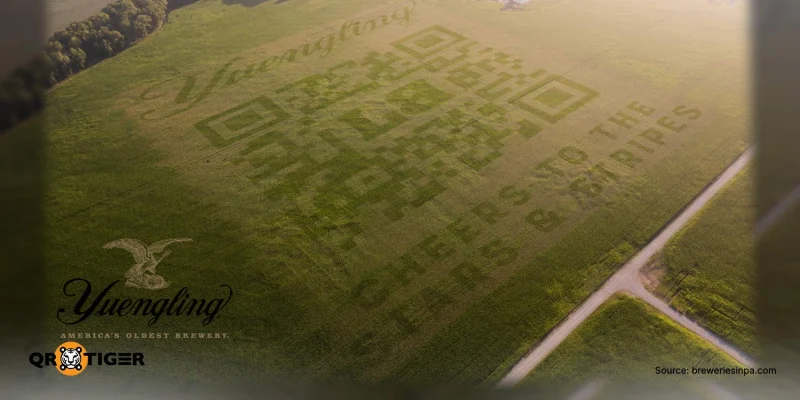
2022 में, डी.जी. युंगलिंग एंड सन, इंकॉर्पोरेटेड, संयुक्त राज्य की सबसे पुरानी पेयदानी, ने उन्होंने सीधे फसलों से उगाई गई सबसे बड़ी क्यूआर कोड का अनावरण किया। इसकी लंबाई लगभग ¼ मील और चौड़ाई लगभग ¼ मील थी, जो लगभग 20 फुटबॉल फील्ड की लंबाई है।
क्यूआर कोड वास्तव में पोट्सविल आधारित ब्रवरी की सीमित संस्करण कैमोफ्लाज लैगर कैन पर जो दिखता है, उसका बहुत बड़ा संस्करण है, जो इस साल शॉप में यूएंगलिंग के स्टार्स और स्ट्राइप्स कार्यक्रम का समर्थन करने के लिए वापस आया।
🌟 मुख्य बात एक अद्वितीय तरीके से एक अभियान वितरित करने के लिए, जैसे गेरिला टैक्टिक्स, अधिक जिज्ञासु उपभोक्ताओं को इंटरैक्टिव डिजिटल सामग्री के साथ जुड़ने के लिए प्रोत्साहित करता है।
हर्शी किसेस क्यूआर कोड (विचार)
QR TIGER के सहयोग से, Hershey’s Kisses ने एक विशेष "प्रेम संस्करण" उत्पाद बनाया जिसमें उसके पैकेजिंग पर एक QR कोड शामिल है।
स्कैन करने के बाद, उपयोगकर्ताओं को एक वेबसाइट पर पुनर्निर्देशित किया जाता है जहां वे एक दिल से भरी वीडियो संदेश बना सकते हैं। एक बार अपलोड करने के बाद, वे यह किस्सेस दोस्तों और परिवार के साथ साझा कर सकते हैं, जो QR कोड स्कैन करके संदेश को तुरंत देख सकते हैं।
🌟 मुख्य बात पैकेजिंग पर क्यूआर कोड उत्पादों को मायने वाले डिजिटल अनुभव में बदलकर ग्राहकों को आकर्षित करने में मदद कर सकते हैं, जो ग्राहक भागीदारी और ब्रांड वफादारी को मजबूत करते हैं।
4. आईकेया ऐप क्यूआर कोड (रूपांतरण)
आईकेए ने भी QR कोड को एकीकृत करना शुरू किया है, विशेष रूप से परिवर्तन चरण के दौरान, ताकि खरीदार स्टोर में QR कोड (प्रदर्शन, उत्पादों पर, या प्रवेशों पर) स्कैन कर सकें और अपना आईकेए ऐप उपयोग करके स्कैनिंग मोड को सक्रिय कर सकें।
इस प्रक्रिया में, ग्राहक उनकी खोज करते समय डिजिटल खरीदारी सूची में आइटम जोड़ सकते हैं, AR के माध्यम से उनके घर में उत्पादों को दृश्यीकृत कर सकते हैं, और चेकआउट पर तेज, संपर्करहित भुगतान के लिए एक एकल QR कोड उत्पन्न कर सकते हैं।
🌟 मुख्य बात एक अधिक सुविधाजनक, व्यक्तिगत और कुशल खरीदारी यात्रा ग्राहकों को परिवर्तन प्रक्रिया के माध्यम से सहजता से मार्गदर्शन करती है और उसी समय, उन्हें अधिक खरीदने के लिए प्रोत्साहित करती है।
5. चिप्स आहॉय! स्ट्रेंजर थिंग्स क्यूआर कोड (कनवर्शन)
चिप्स आहॉय! ने 2025 में नेटफ्लिक्स शो "स्ट्रेंजर थिंग्स" के साथ भागीदारी के दौरान QR कोड का उपयोग भी किया, सीमित संस्करण पैकेजिंग और व्रैपर पर QR कोड के साथ।
खरीदार जो पैकेजिंग पर QR कोड स्कैन कर रहे थे, उन्हें फिर एक वेबसाइट पर रीडायरेक्ट किया गया, जहां उन्होंने अपना ईमेल दर्ज किया और शो से प्रेरित एक इमर्सिव मोबाइल AR गेम खेला।
प्रत्येक स्तर पूरा करने के बाद, प्रतिभागी स्वीपस्टेक्स में स्वचालित रूप से शामिल हो गए थे जिसमें विशेष माल की जीत के लिए शामिल होने का मौका था, जैसे कि ब्रांडेड लंचबॉक्स सेट और एडी मुंसन के प्रेरित इलेक्ट्रिक गिटार।
🌟 मुख्य बात खरीदारी के समय तत्काल मूल्य और उत्साह प्रदान करना निष्क्रिय खरीदारों को सक्रिय सहभागियों में बदल सकता है।
6. जुपिलर यूरोकप क्यूआर कोड अभियान (परिवर्तन)
jpg_800.jpeg "Marketing funnel jupiler QR code")
बेल्जियन राष्ट्रीय फुटबॉल टीम के आधिकारिक प्रायोजक के रूप में, जुपिलर ने 2024 में यूरोकप के दौरान प्रमुख QR कोड वाली विशेष पैकेजिंग जारी की।
कोड स्कैन करने से प्रशंसक सीधे टाडा प्लेटफॉर्म पर पहुंच जाते थे, जहां उन्हें इंटरैक्टिव गेम्स खेलने, उच्च मूल्यवान इनामों (मैच टिकट, पीछे के सीन अनुभव, और आधिकारिक मर्चेंडाइज़) के लिए प्रतियोगिताओं में भाग लेने, और विशेष टूर्नामेंट सामग्री के साथ जुड़ने का अवसर मिलता था।
यह घर्षणहीन अनुभव खरीदारों को सक्रिय सहभागियों में बदल दिया जिससे तुरंत पुरस्कार और मनोरंजन से जुड़े QR कोड को सीधे बांध दिया गया।
🌟 मुख्य बात QR कोड त्वरित खरीदारी प्रेरणा प्रदान कर सकते हैं जब उन्हें अत्यावश्यकता और FOMO (छूट जाने का भय) की भावनाओं के साथ जोड़ा जाता है।
7. रिसेस सेल्ट्ज़र और वेकेशन सनस्क्रीन पैकेजिंग (लॉयल्टी)
"प्रेस प्ले टू पॉज योर थॉट्स" अभियान ने विशेष चिह्नित रीसेस कैन पर प्रमुख QR कोड रखे, जो ग्राहकों को सीधे ब्रांड का वादा महसूस करने के लिए जानकारीपूर्ण तरीके से विश्राम और स्वास्थ्य का अनुभव करने देने के लिए जानबूझकर डिज़ाइन किया गया था।
जब स्कैन किया गया, कोड ने एक शांति देने वाला, ब्राउज़र-आधारित हाइपरकैजुअल गेम लॉन्च किया जिसमें उपयोगकर्ता आराम से एम्बिएंट संगीत सुनते हुए एनिमेटेड बादलों को पॉप करने के लिए टैप करते हैं जो पूलसाइड.एफएम. नामक रेट्रो ऑनलाइन रेडियो स्टेशन से आता है।
खेलने के बाद, उपयोगकर्ताओं को उत्साहित किया गया कि वे अपना ईमेल दर्ज करें ताकि वे को-ब्रांडेड माल के लिए 10% छूट प्राप्त करें, जिससे Recess को लक्षित फॉलो-अप के साथ लीड्स को नर्स करना जारी रखने में सहायता मिले।
🌟 मुख्य बात स्मार्ट पैकेजिंग वफादारी स्टेज पर एक शक्तिशाली उपकरण हो सकती है। यह उपभोक्ता कनेक्शन को गहरा कर सकती है जब यह एक ब्रांड पर आधारित, इंटरैक्टिव अनुभव प्रदान करके उपयोगकर्ताओं को अधिक उत्पाद खरीदने के लिए प्रोत्साहित करती है।
8. नाइक स्टोर क्यूआर कोड (सभी स्टेज)
jpg_800.jpeg "Nike QR code marketing funnel")
नाइके ने अपने उत्पादों, पैकेजिंग, और स्टोर प्रदर्शनों पर QR कोड का उपयोग करके उपभोक्ताओं पर प्रभाव डालने के लिए मार्केटिंग फनल के विचार चरण में शक्तिशाली रूप से किया।
नाइके ने QR कोड का उपयोग साधारण जागरूकता के लिए करने की बजाय उन्हें जूतों और कपड़ों पर रणनीतिक रूप से लागू किया, साथ ही खुदरा परिवेशों में, धन्य, इंटरैक्टिव अनुभव प्रदान करने के लिए।
उत्पाद पर QR कोड स्कैन करने से तत्काल विस्तृत सामग्री जानकारी, ग्राहक समीक्षा, साइजिंग मार्गदर्शन, या यहाँ तक कि वृद्धि वास्तविकता (AR) अनुभव लॉन्च कर सकता है, जिससे खरीदारों को वस्त्र को वर्चुअली प्रयास करने की अनुमति मिलती है।
QR कोड भी व्यक्तिगत प्रस्ताव, वफादारी पुरस्कार और Nike के मोबाइल ऐप्प में बिना किसी अवरोध के स्थानांतरण प्रदान करते थे, जिससे संभावित ग्राहकों को विकल्पों की तुलना करना और खरीदारी के करीब जाने में आसानी होती।
🌟 मुख्य बात क्यूआर कोड्स विभिन्न ग्राहक यात्रा चरणों में लक्ष्य दर्शक को ध्यान में रखते हुए पूर्ण-फनल मार्केटिंग रणनीति को बढ़ा सकते हैं।
अपनी क्यूआर कोड अभियान को क्यूआर टाइगर के साथ बनाएं
क्यूआर कोड्स मार्केटिंग फनल के हर स्टेज का समर्थन कर सकते हैं, जागरूकता से लेकर रिटेंशन तक, खासकर जब वे स्पष्ट उद्देश्यों, स्पष्ट क्रियाएँ, और विश्वसनीय क्यूआर कोड सॉफ़्टवेयर द्वारा मार्गदर्शित हों।
जब वे स्थान पर होते हैं, तो एक साधारण स्कैन एक परस्परक्रिया का पल से अधिक बन जाता है; यह एक मापनीय टचपॉइंट बन जाता है जो दर्शाता है कि ग्राहक कैसे अपनी यात्रा के दौरान कैसे चलते हैं, प्रतिक्रिया देते हैं और संलग्न होते हैं।
आज एक डायनामिक क्यूआर कोड बनाएं और यात्रा के हर स्टेज पर बेहतर ग्राहक अनुभव बनाना शुरू करें।
लोगों ने भी पूछा
कंटेंट मार्केटिंग फनल क्या है?
क्या सामान्य फनल गलतियाँ हैं?